Meta is telling investors the AI race is no longer about experimentation — it is about how much capital a company can pour into compute, data centers and chips before the market starts demanding visible returns.
Meta AI spending raises capex and margin pressure
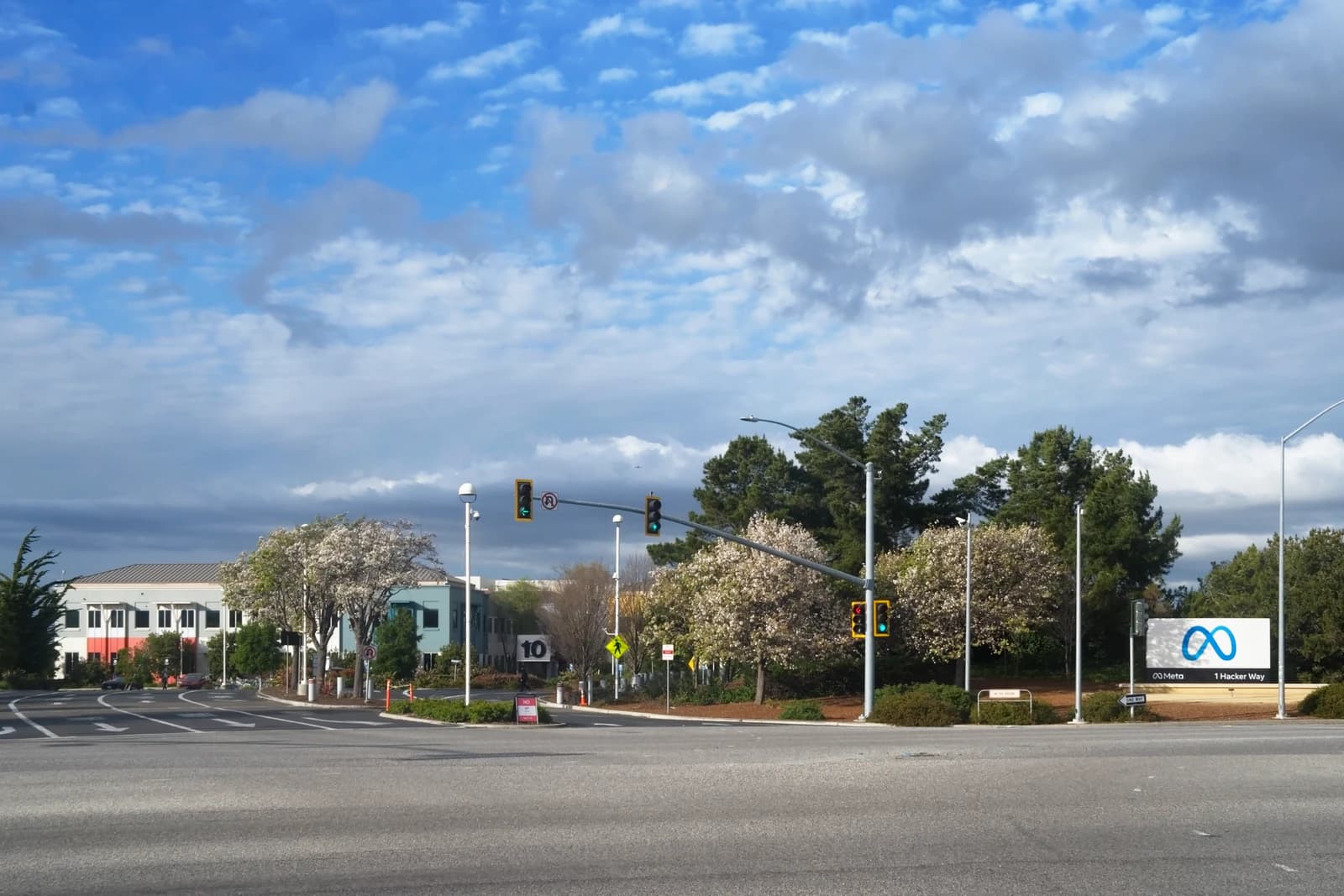
That matters because Meta’s spending plans sit at the center of a broader re-rating taking place across Big Tech. The market is still willing to reward hyperscalers for aggressive AI investment, but only up to a point. As Meta, Tesla, IBM and others report mixed results, investors are becoming less interested in the size of the check and more focused on whether that spending translates into faster growth, stronger monetization and eventually better margins.
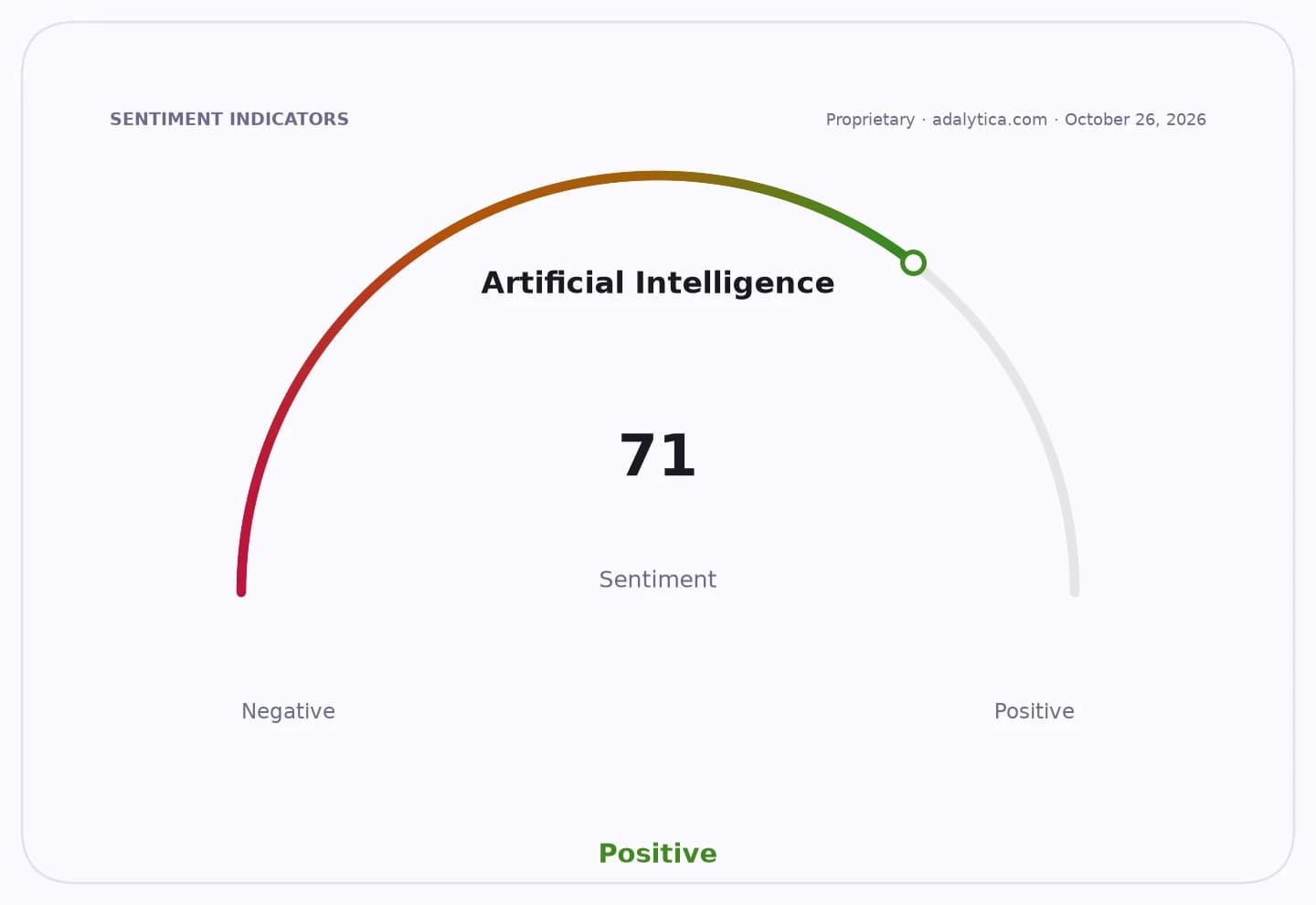
Sentiment Indicators
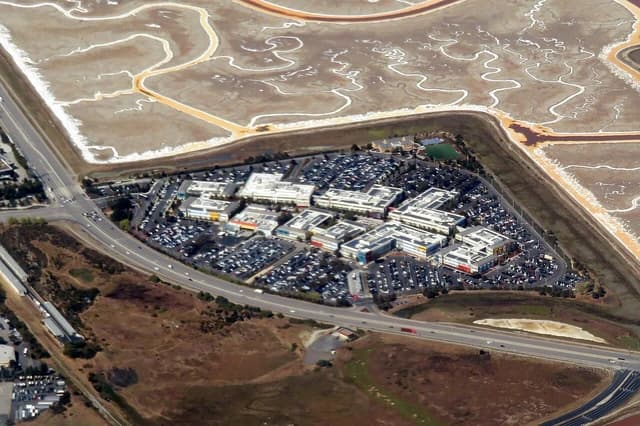
Meta’s latest posture reinforces that tension. The company is growing quickly, but management has also made clear that the next leg of AI development will be expensive. That is exactly the message unsettling tech stocks from Wall Street to Asia: the AI capex boom is real, but so is the risk that returns arrive later than bulls expect. In European trading, the tech-heavy sentiment shock has already filtered through to semiconductor names and broader risk assets, while U.S. futures also point lower as investors digest higher energy costs and capex-heavy earnings updates.
For Meta, the spending is strategically necessary. AI is increasingly the toll road for advertising targeting, content ranking, agentic tools and future consumer hardware. If the company wins that infrastructure race, the payoff could be enormous. But the stock’s recent volatility shows investors are no longer paying any price for that optionality. Meta shares have fallen sharply from recent highs, and the conventional technical indicators now show the stock well below its 50-day moving average, with RSI readings deep in oversold territory. That does not change the fundamental story, but it does show how quickly sentiment can reverse when the market starts pricing in heavier spending without a near-term earnings offset.
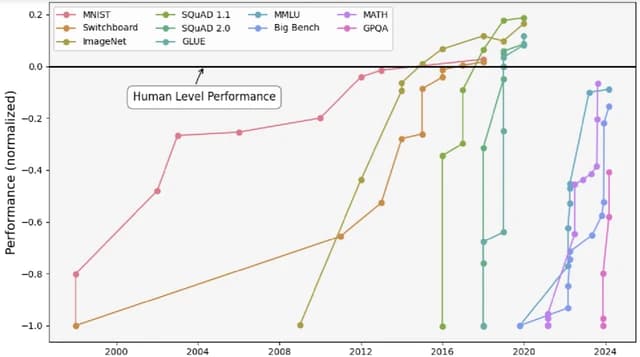
The larger opportunity, in our view, is not to chase the companies spending the most, but to own the picks-and-shovels behind the buildout. Every extra dollar Meta commits to AI ripples through the ecosystem: Nvidia for accelerators, AMD for alternative compute, networking suppliers, power equipment makers, data-center builders and cloud infrastructure names. The market is still trying to decide whether AI is a bubble. We think it is missing the second-order trade: even if the winners are not yet fully clear, the capex cycle itself is becoming a durable growth engine.
That is why Meta’s billions in AI matter far beyond one stock. They confirm that the hyperscaler arms race is still accelerating, and that the next phase of the trade will be about who can monetize at scale — not who can talk most aggressively about AI. For investors, the best way to play this is to stay with the infrastructure beneficiaries, not the hype. The money is still flowing, and that is the signal that matters.
| Entity | Gains | Losses |
|---|---|---|
| Meta | ▲AI product lead if spending pays off | ▼Near-term margins and cash flow |
| Nvidia | ▲More accelerator demand | ▼Valuation if capex slows |
| AMD | ▲Share gains in AI silicon | ▼If buyers consolidate around one supplier |
| AI infrastructure suppliers | ▲Data-center and power orders | ▼If ROI fears delay spending decisions |