Europe is increasingly seen by NATO strategists as unprepared for a prolonged war of attrition with Russia, a warning that underscores how quickly the continent’s defense assumptions are being reset by the war in Ukraine, U.S. retrenchment risks and rising political resistance at home.
Europe Defense Spending Rises on Russia Threat
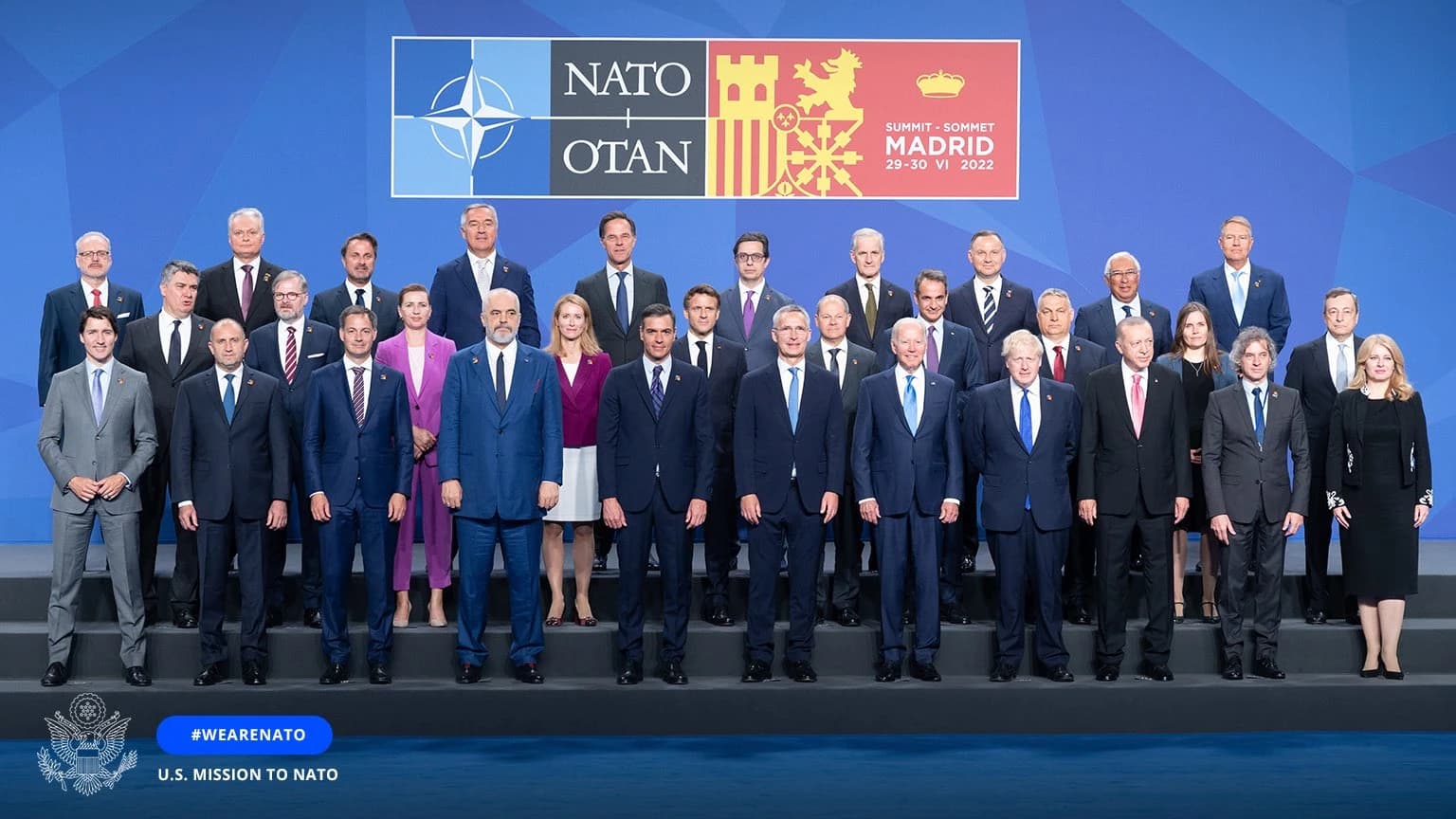
The concern, reported after a closed European Defense Roundtable in Britain, is not just about battlefield capability. It is about whether Europe can sustain a long, industrial-scale conflict if Moscow tests NATO’s cohesion through conventional and hybrid pressure at the same time. That matters economically because deterrence now depends as much on stockpiles, production capacity and political durability as on troop numbers.

The biggest strategic worry is that Russia could exploit Europe’s vulnerabilities below the threshold of open war, weakening public confidence and political will while NATO allies remain split over how fast to rearm. A second issue is that support for right-wing parties across major military powers could complicate efforts to build a new coordination structure, including a proposed E5 group of five European states led in part by Britain, as Washington signals it may scale back its conventional-defense commitments.
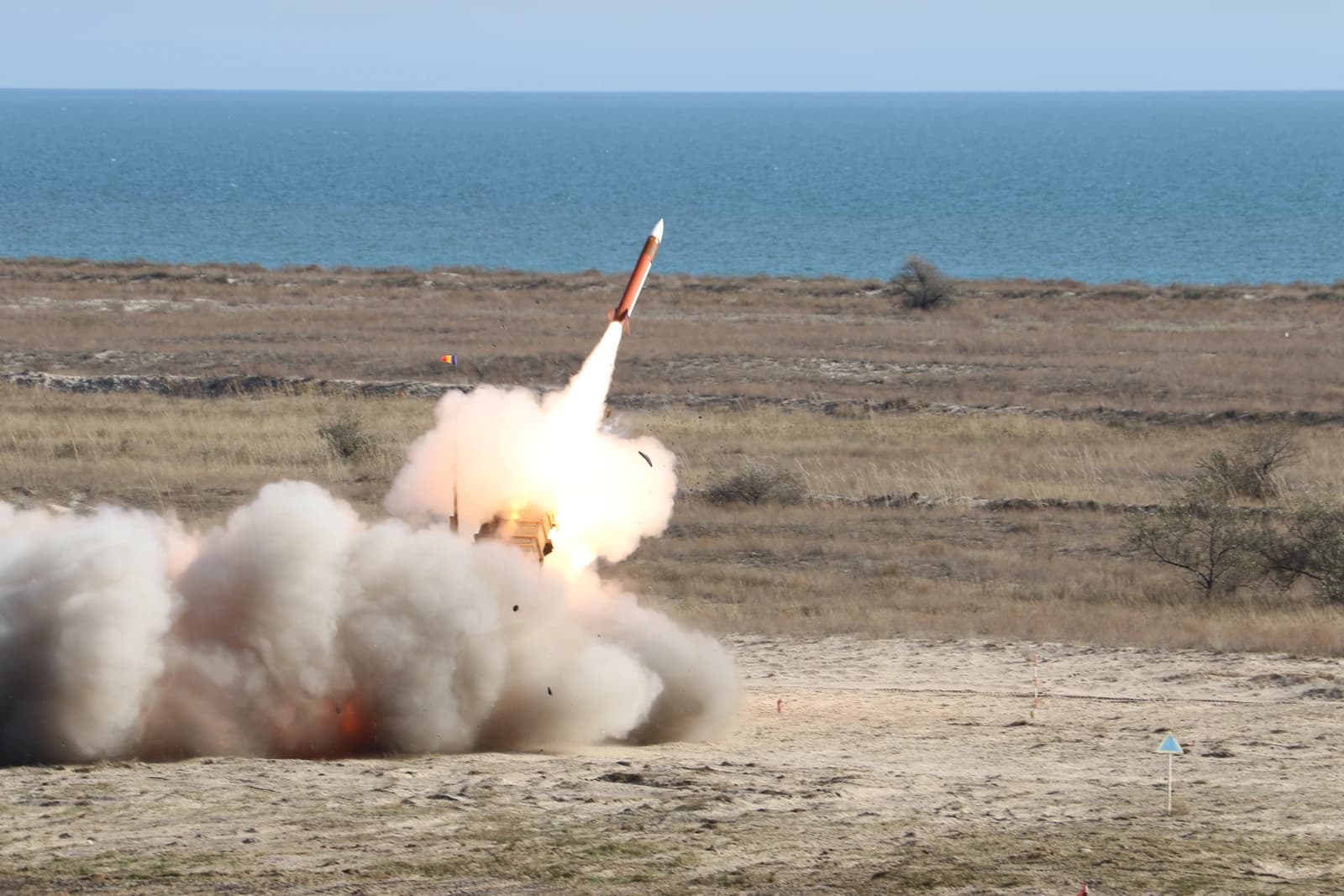
That creates a difficult fiscal trade-off for governments already under pressure from voters. Officials cited by The Guardian say the public has been poorly briefed on the scale of the hybrid conflict with Russia, leaving ministers with the task of justifying lower social spending to fund defense. In practical terms, that means bigger budgets for munitions, air defense, drones and logistics at a time when many European arsenals have already been drained by support for Ukraine.
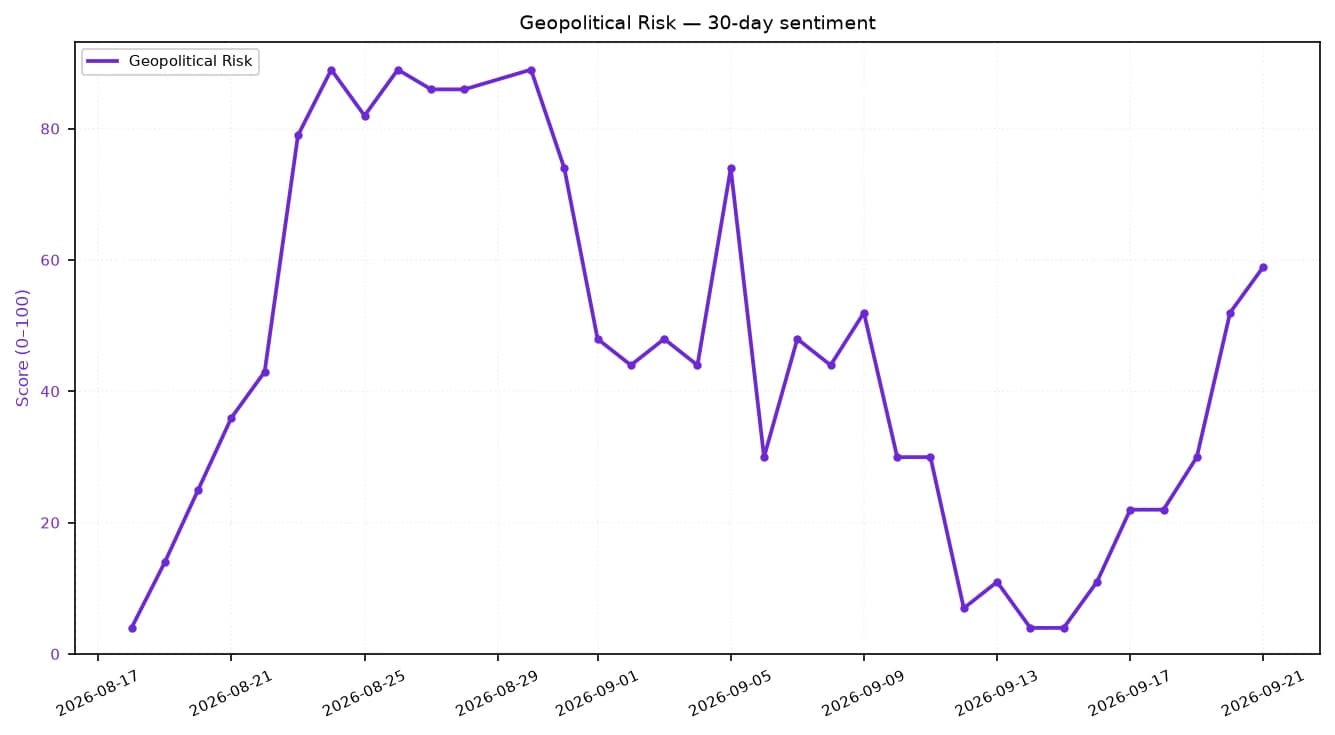
Geopolitical Risk — 30-day sentimentadalytica.com
Explore this data interactively — full history, time series and cross-market comparisons.Open AlphaPulse

For investors, the message is straightforward: Europe’s rearmament cycle is not a short-lived trade, but a multi-year shift in procurement and industrial policy. U.S. contractors such as Lockheed Martin, Northrop Grumman and RTX remain obvious beneficiaries as allies rush to replenish inventories and buy integrated systems they cannot quickly produce themselves. Their latest price action shows that defense names have already been repriced on the expectation of sustained spending, even if recent volatility suggests the market is also sensitive to valuation and timing risk.
The broader bull case is that the security environment forces governments to lock in higher defense outlays and cross-border procurement, creating durable revenue visibility for prime contractors and suppliers. The bear case is that fragmented politics, budget constraints and slower-than-expected European industrial scaling delay orders, while any easing in the conflict premium could compress multiples.
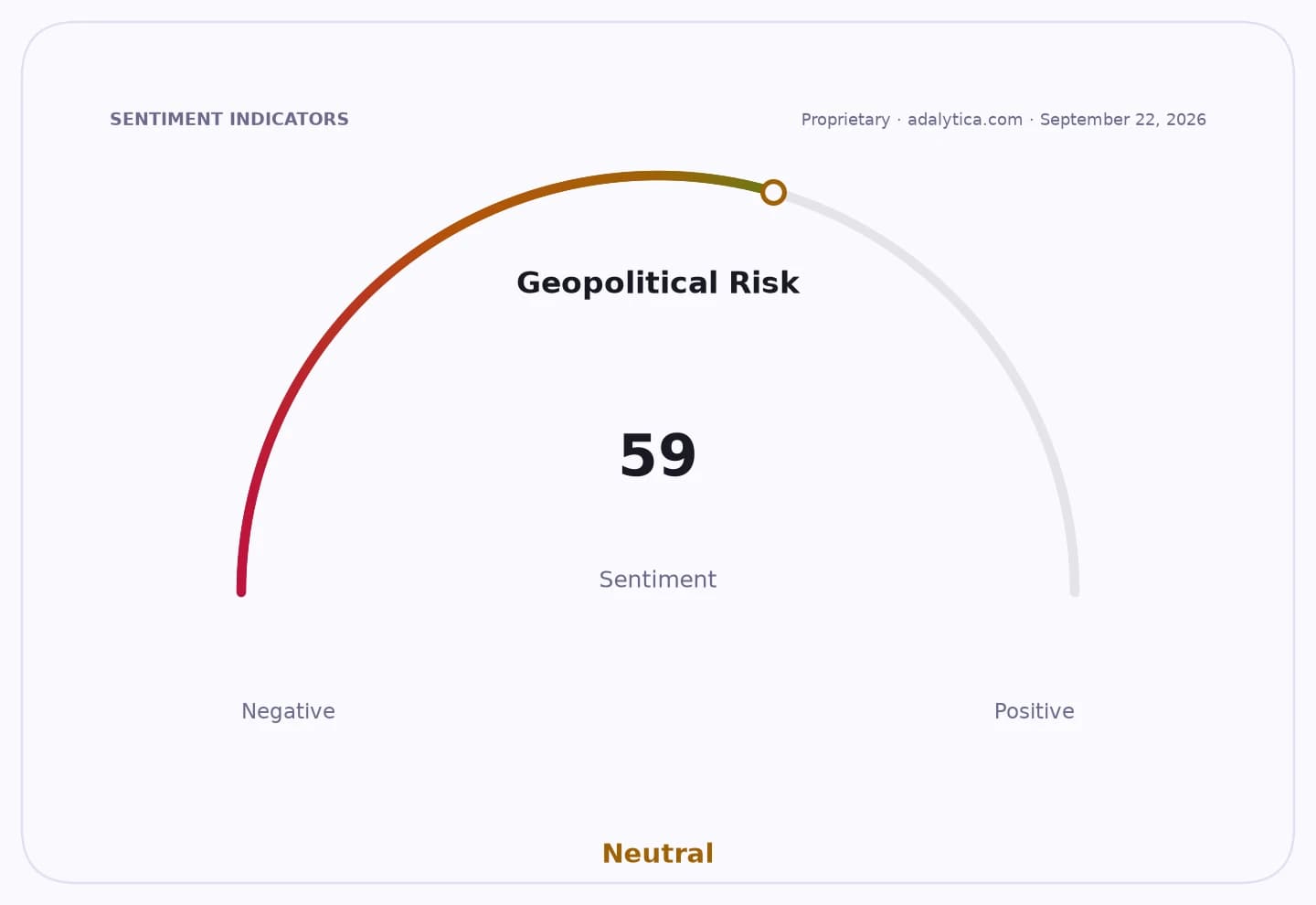
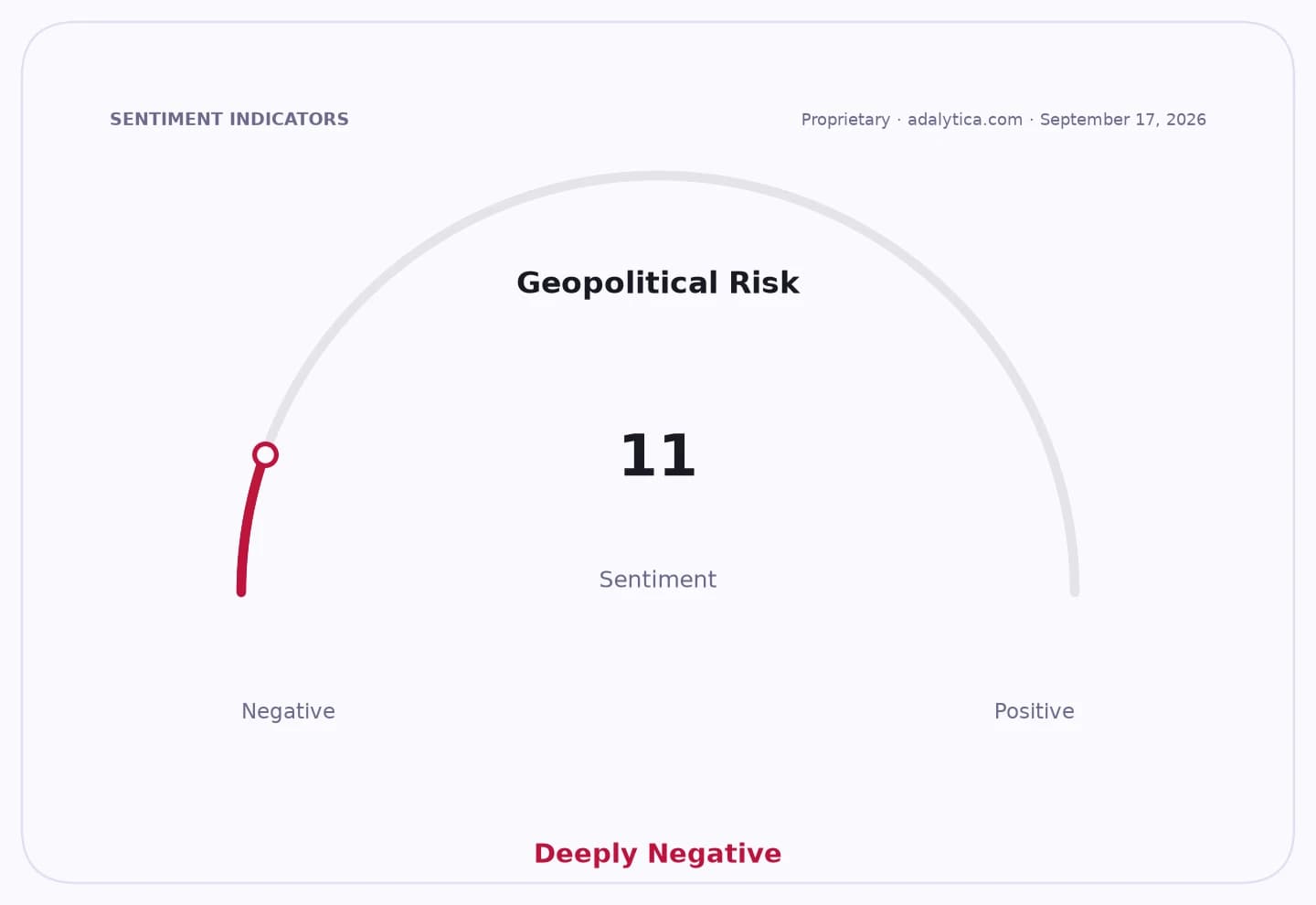
Adalytica’s Global Stability Sentiment gauge has also swung sharply toward fear, pointing to a renewed deterioration in perceived geopolitical risk. That sort of backdrop tends to support defense shares, but it also signals a more fragile policy environment in which elections in Poland, France and Italy could further complicate Europe’s response.
For now, the key investor question is whether Europe can turn alarm into production before the next crisis. If it cannot, NATO’s deterrence problem will become a spending problem, a manufacturing problem and, increasingly, a political one.
| Entity | Gains | Losses |
|---|---|---|
| European defense primes | ▲More procurement and stockpile replenishment | ▼Budget delays and political backlash |
| U.S. contractors | ▲Allied demand for ready-made systems | ▼Risk of slower European self-sufficiency |
| European governments | ▲Stronger deterrence if spending rises | ▼Social spending pressure and voter resistance |
| Russia | ▲Benefits from allied division and uncertainty | ▼Higher costs if Europe rearms successfully |