Rome’s 58th Credit Day put a hard number on one of Europe’s biggest economic challenges: how to finance the energy transition at scale without relying on the public sector alone. Deloitte Italia CEO Fabio Pompei said European Commission estimates point to about €660 billion of annual investment from 2026 to 2030, while Confindustria’s energy vice president Aurelio Regina said Italy alone may need about €1.1 trillion to meet EU climate goals.
Europe energy transition needs private capital

That matters because the transition is no longer just an industrial policy debate; it is becoming a capital-allocation problem for banks, insurers and institutional investors. The message from the Rome event was that public money cannot cover the cost on its own, pushing private finance deeper into renewables, grids, storage and efficiency upgrades.
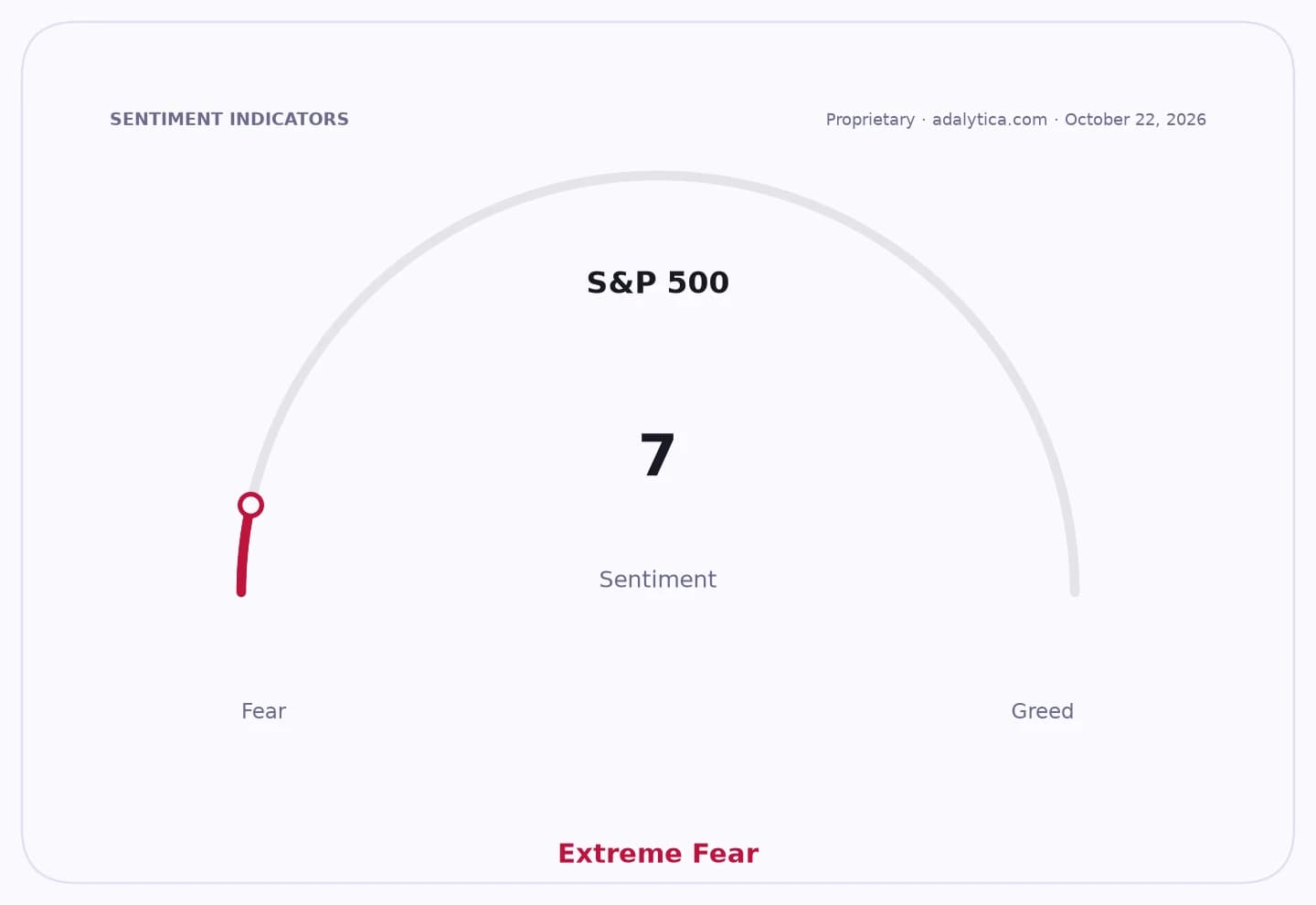
Sentiment IndicatorsⓘProprietary · adalytica.com · October 12, 2026
This is a snapshot — live sentiment, awareness and momentum for 130+ markets update continuously in the dashboard.Open AlphaPulse
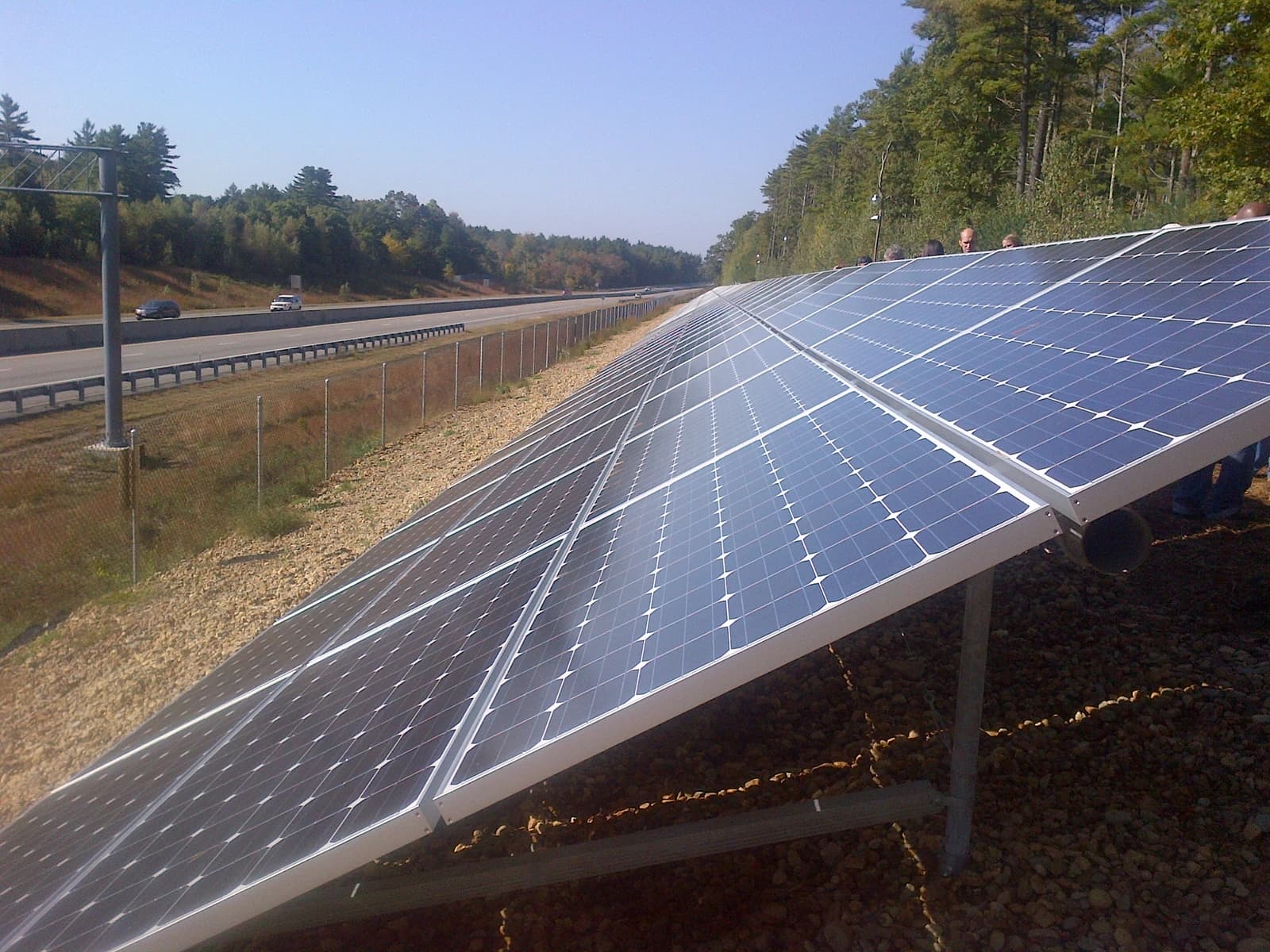
The framing also lands as renewable project finance keeps moving. Grenergy has just secured $457 million for solar and battery storage projects in Chile, while other financings highlighted in the sector include European Energy’s funding for a 57-MWp UK solar project and Clearway Energy Group’s $1.5 billion package for a 650-MW solar park in Missouri. The pipeline shows lenders are still willing to back large, asset-heavy clean energy deals when cash flows and project structures are clear.
For investors, the implication is twofold. Banks and insurers that can price transition risk and structure long-dated lending stand to gain market share, while those that stay on the sidelines risk missing a growing fee pool. At the same time, the scale of required spending reinforces the need for lower rates, stronger EU-level support and more predictable regulation to keep projects financeable.
That backdrop also helps explain renewed interest in clean-energy funds and solar-linked equities. The Invesco Solar ETF, TAN, closed at $43.75 on Oct. 9, below its 50-day moving average of $47.67 and its 200-day average of $54.75, while the iShares Global Clean Energy ETF, ICLN, ended at $17.28, near but still above its 50-day average of $17.65 and below its 200-day average of $18.82. Regional bank ETF KRE finished at $69.01, with a soft technical tone, underscoring that financing capacity in the banking system remains central to how quickly the transition can scale.
The next catalyst is whether EU policymakers and lenders translate the rhetoric into balance-sheet commitments, because the investment need is already visible and the financing burden is only getting larger.
| Entity | Gains | Losses |
|---|---|---|
| Renewable project developers | ▲Access to new capital | ▼Higher financing hurdles |
| Banks and insurers | ▲Fee income and lending growth | ▼Credit and duration risk |
| EU policymakers | ▲Progress on climate targets | ▼Pressure to subsidize more |
| Investors in TAN/ICLN | ▲Potential long-term growth exposure | ▼Near-term volatility and valuation risk |