Europe is moving to rebuild natural-gas inventories ahead of winter, and that scramble is already feeding a stronger price signal that investors should not ignore.
Europe gas inventories rise ahead of winter

The immediate issue is not a single day’s price move. It is the return of supply anxiety across the continent at exactly the wrong time of year, with European storage only about 61% full and Germany near 50%. That leaves less room for error if heating demand spikes, Russian flows remain absent and LNG cargoes tighten further. In other words, the market is being forced to price a higher winter risk premium before the season even starts.
That tension is showing up in benchmark gas markets. European TTF gas futures have climbed to about 65.86 euros per megawatt hour, up sharply from 29.82 euros in mid-February and well above the 42.79 euro 200-day moving average. The move suggests traders are no longer treating storage rebuilds as a routine balancing act, but as a competition for molecules. In the U.S., Henry Hub futures at $2.77 are far more subdued, underscoring that the stress is concentrated in Europe, not the global market as a whole.
For investors, that divergence matters. A tighter European market supports LNG exporters, shipping, midstream infrastructure and companies with flexible gas marketing portfolios, while it squeezes energy-intensive consumers and European importers that must buy at higher spot prices. It also reinforces the strategic value of supply chains that can move gas quickly across borders and convert it into exportable LNG. The market underestimates how often Europe’s winter security problem becomes a cash-flow opportunity for U.S. and global gas infrastructure owners.
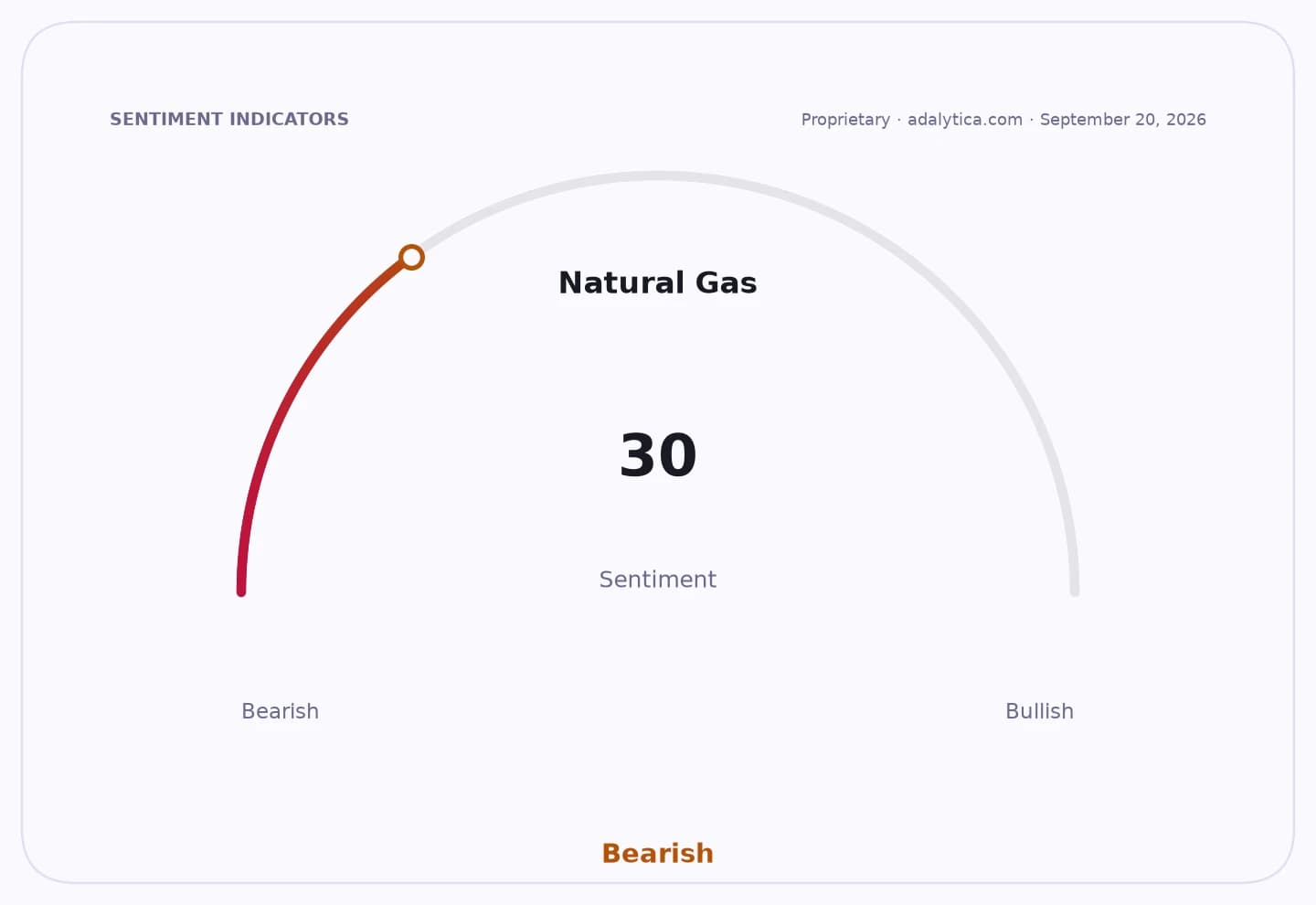
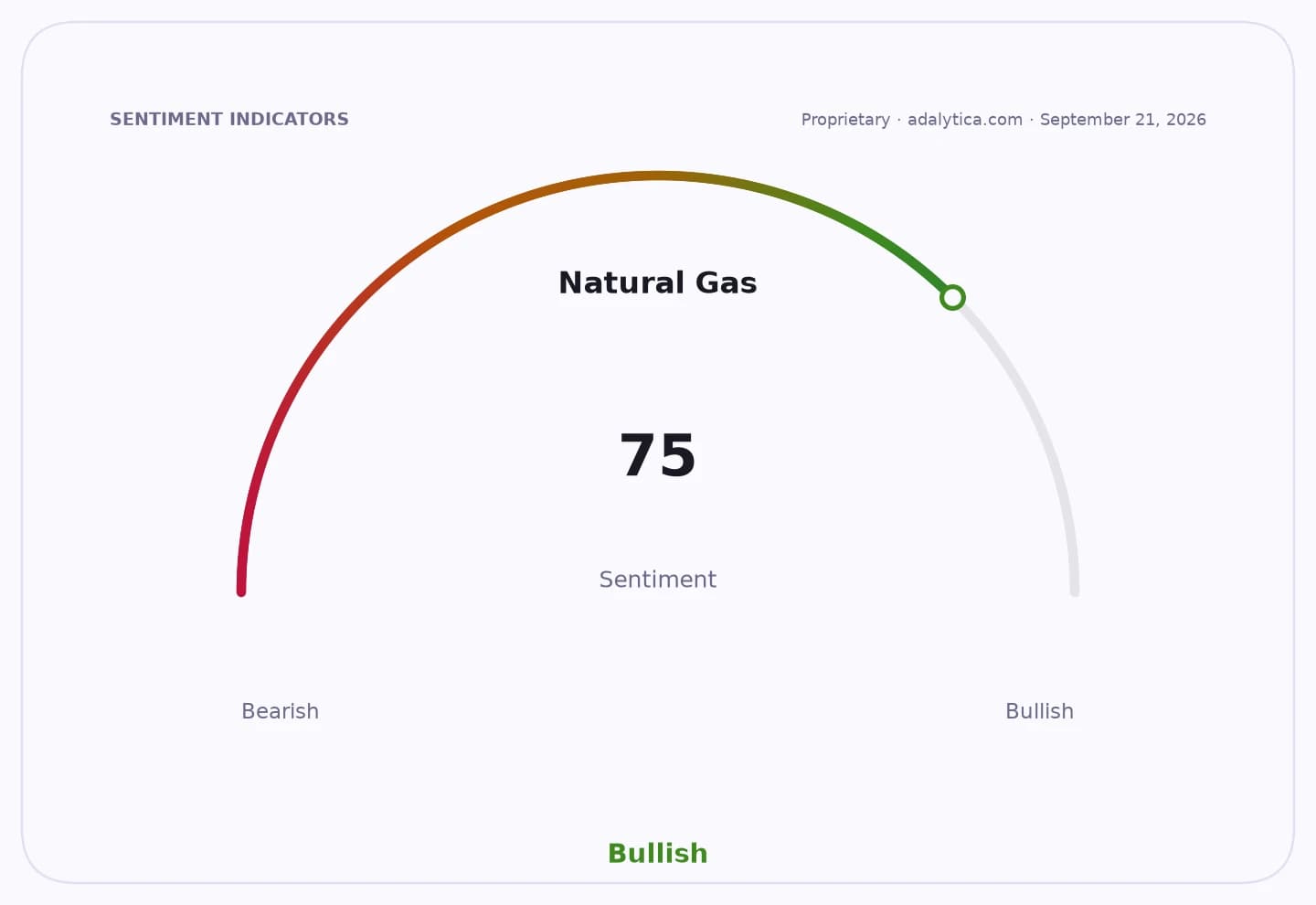
The technical setup backs the narrative. The TTF contract has held above both its 50-day and 200-day moving averages, and RSI readings around 66 point to a market that still has room before becoming truly stretched. U.S. gas, by contrast, has been slipping back toward its 50-day average near $2.95 and remains below the 200-day line, a sign that the winter-risk trade is being expressed more in Europe than in America. Adalytica’s natural-gas trade signals show awareness at extreme levels, which tells me this story is now firmly on the market’s radar even if sentiment remains only neutral.
The geopolitical backdrop only strengthens the case. Europe’s dependence on imported gas has not disappeared; it has simply been rerouted through LNG, storage and infrastructure. That makes every incremental tightening in global supply more valuable. Recent disclosures from major energy players, including BP and LNG-focused operators, continue to highlight the sensitivity of results to gas price swings and the strain of tighter global supply conditions.
My view is simple: the market is still underpricing the winter storage race. If European inventories fail to rebuild fast enough, the next move is not just higher TTF prices — it is a broader repricing of LNG infrastructure, pipeline throughput, storage, and U.S.-linked gas exporters that can feed the gap. For investors looking for asymmetric exposure, the opportunity is in the picks-and-shovels of global gas security, not in assuming Europe’s storage problem will solve itself.
| Entity | Gains | Losses |
|---|---|---|
| LNG exporters | ▲Higher European demand | ▼Buyers facing pricier cargoes |
| Midstream and storage operators | ▲Stronger utilization and fees | ▼Spot consumers with less flexibility |
| European utilities/importers | ▲More urgency to secure supply | ▼Margin pressure from higher prices |
| Energy-intensive industry | ▲— | ▼Higher input costs and demand risk |