Geopolitics is no longer a background risk for European companies and investors — it is becoming part of how they choose suppliers, technologies and where to put capital.
Europe geopolitics shifts corporate capital choices

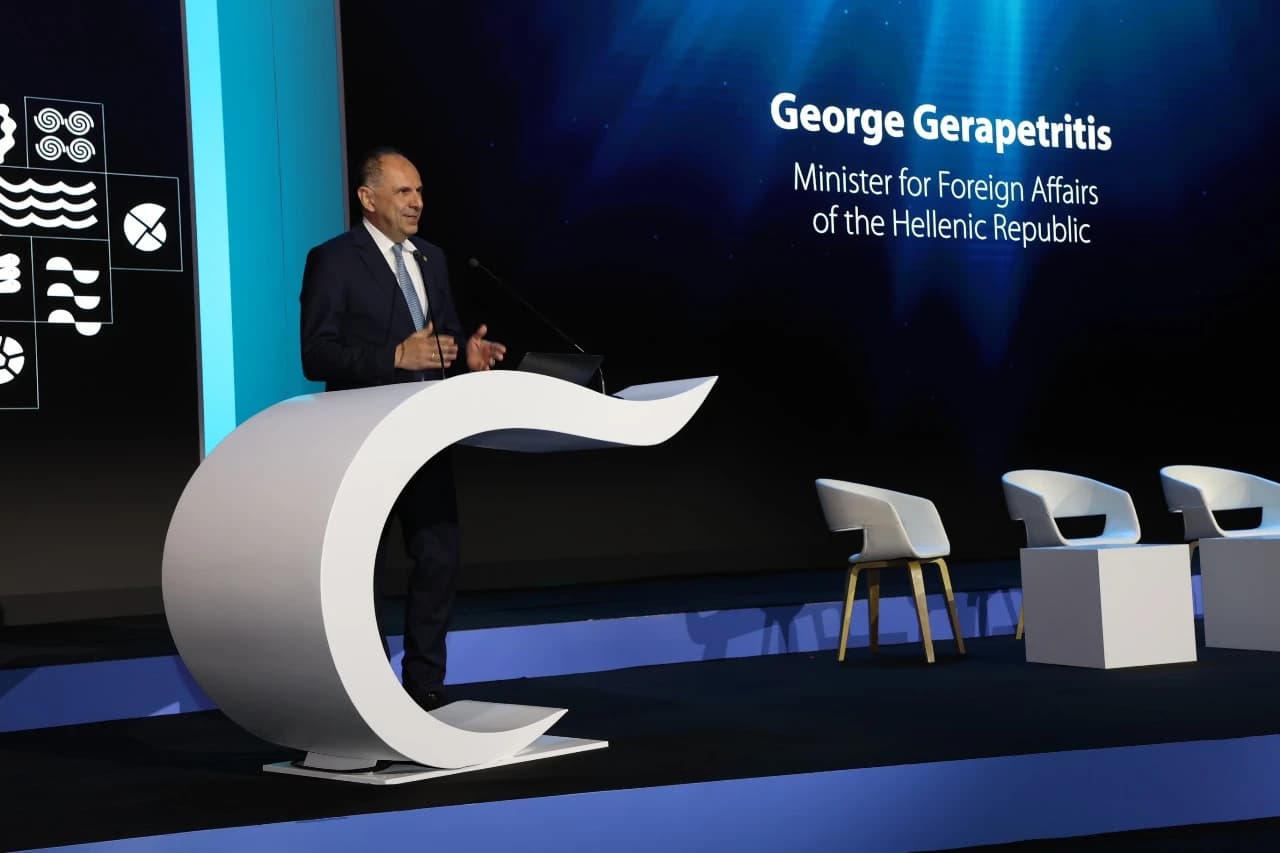
That is the central message from Lithuanian political analyst L. Kojala, who argues that the post-Cold War era of relative calm is over and that businesses can no longer pretend margins and cheap supply chains are the only things that matter. For investors, that shift is big because it changes the economics of everything from defense spending and industrial policy to logistics, cybersecurity and energy security.
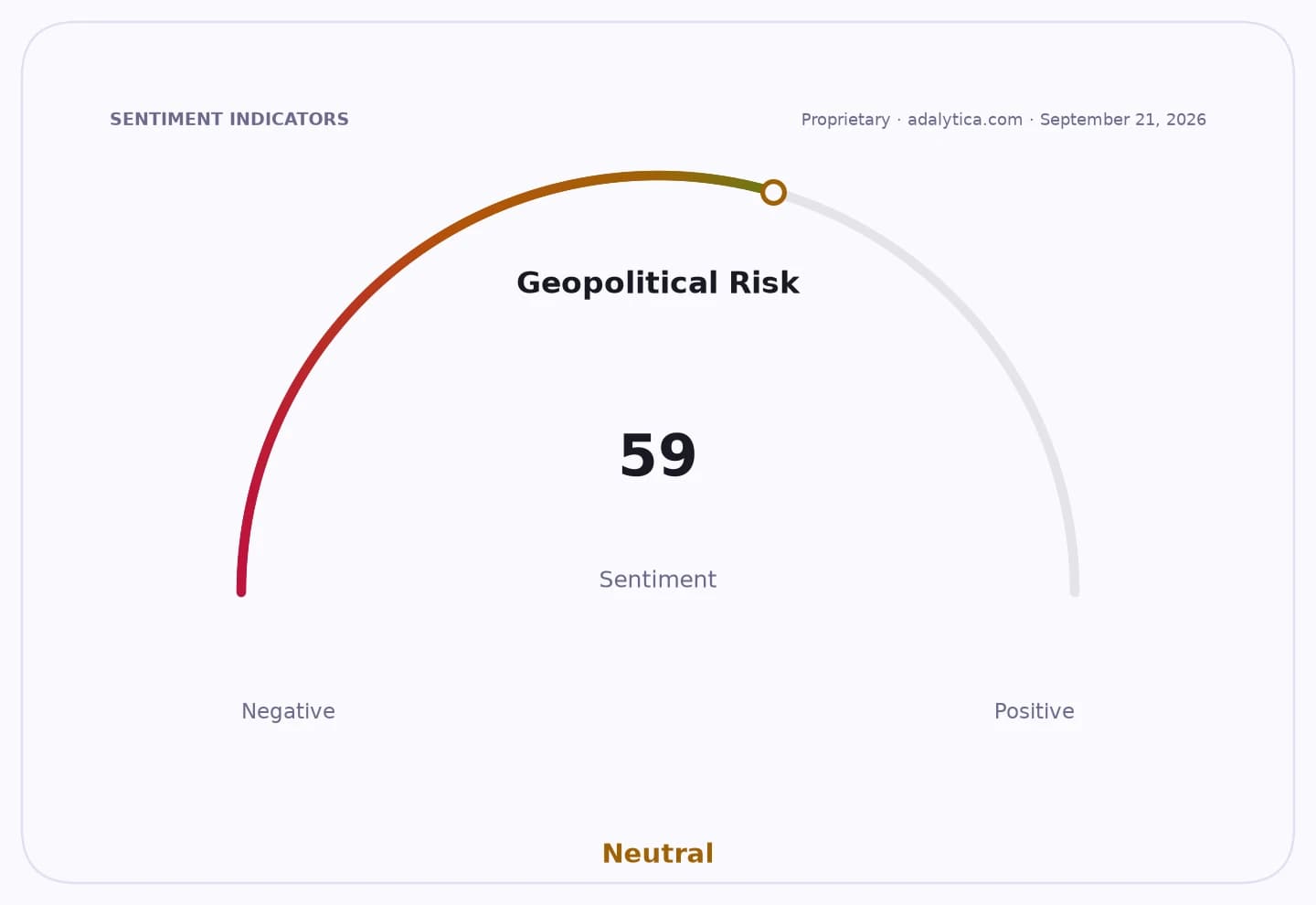
Sentiment IndicatorsⓘProprietary · adalytica.com · September 4, 2026
This is a snapshot — live sentiment, awareness and momentum for 130+ markets update continuously in the dashboard.Open AlphaPulse
Kojala’s view is rooted in a harsher European reality that has been building since 2014 and accelerated after Russia’s 2022 invasion of Ukraine. He says the region now faces a world of greater uncertainty, new forms of pressure on states and a more obvious link between national security and corporate strategy. Lithuania has already seen how that plays out, from instrumentalized migration to balloons disrupting airports and drones crossing NATO territory.
For companies, the implication is simple: security has a cost, but so does ignoring it. Europe’s long stretch of underinvestment in defense is giving way to higher military spending and a push for resilience, yet Kojala warns that money alone will not solve the problem. Fragmented markets, slow bureaucracy and sluggish decision-making still limit how fast the region can adapt.
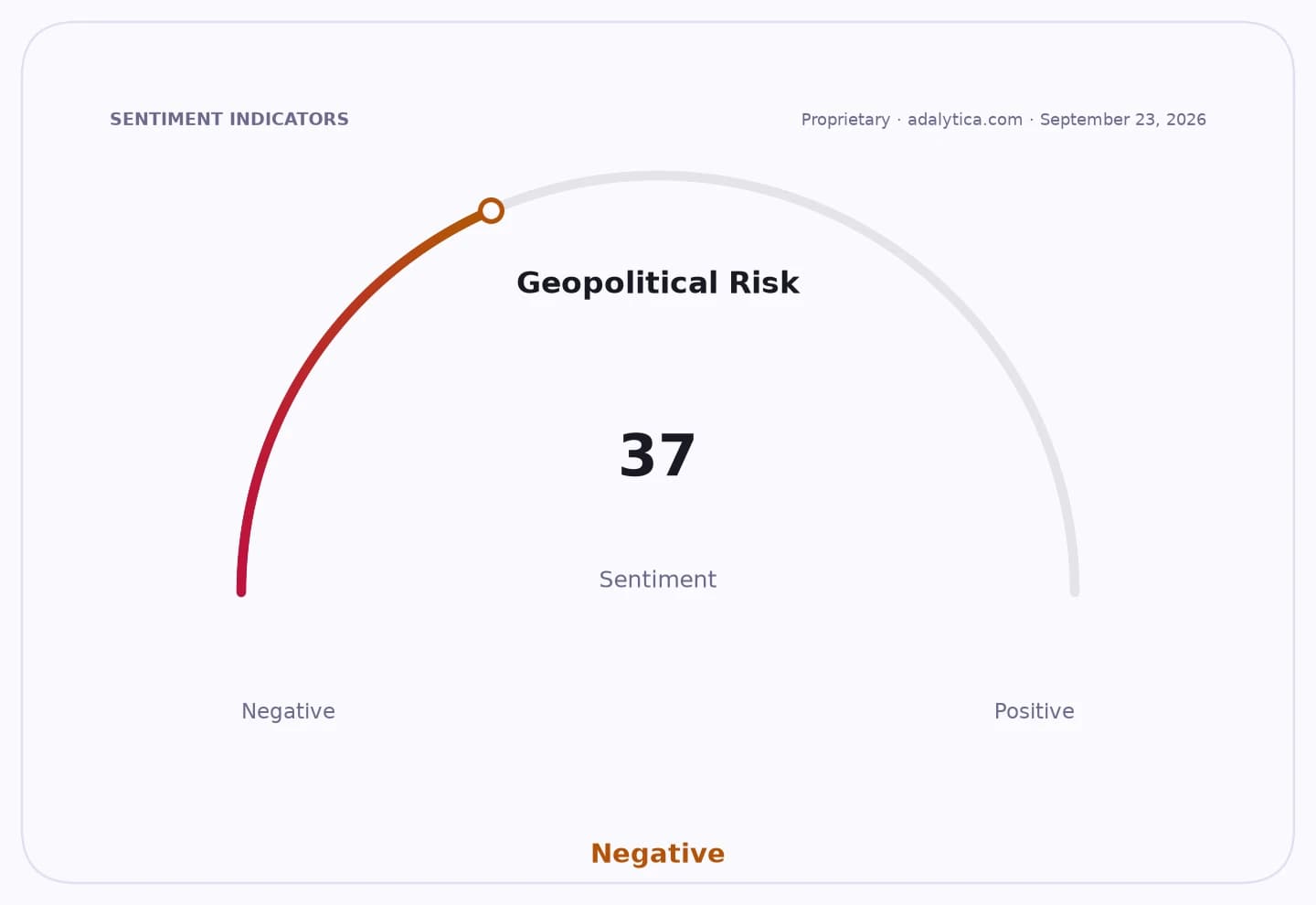
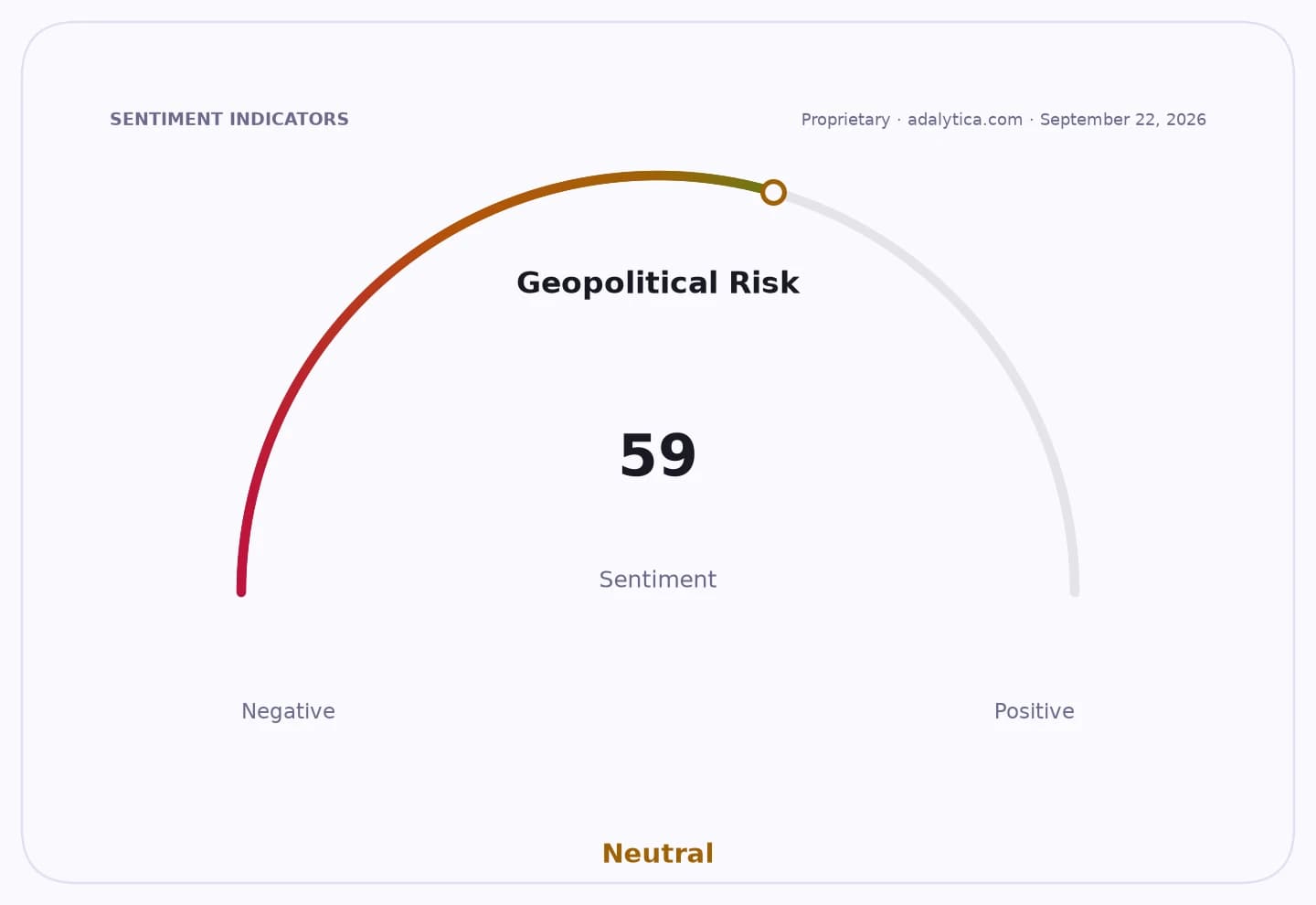
Geopolitical Risk vs GEOSadalytica.com
Explore this data interactively — full history, time series and cross-market comparisons.Open AlphaPulse
That matters to investors because it points to a durable spending cycle, not a one-off budget bump. Defense contractors, cybersecurity firms, industrial automation names and companies tied to critical infrastructure stand to benefit as governments and businesses prioritize resilience. On the other side, firms that depend on fragile supply chains, single-source inputs or politically exposed markets may face higher costs and more volatility.
The lesson for long-term investors is that geopolitical risk is becoming structural, not temporary. That does not mean Europe is uninvestable — far from it. Kojala argues that businesses have already shown they can adapt, and that innovation, faster collaboration between the public and private sectors, and quicker adoption of new technologies will be essential. Ukraine’s battlefield use of technology is a reminder that speed and flexibility can be as important as scale.
For investors with a multiyear horizon, the takeaway is to favor companies and funds that can thrive in a more security-conscious world. That means looking at defense, cyber, energy resilience and technology enablers, while keeping diversification front and center. Geopolitics is staying in the portfolio conversation — and it may reward patient investors who prepare for a less forgiving world.
| Entity | Gains | Losses |
|---|---|---|
| Defense and cybersecurity firms | ▲Higher long-term demand | ▼Legacy low-spend complacency |
| European governments | ▲Stronger resilience, more readiness | ▼Easier budget trade-offs |
| Supply-chain dependent corporations | ▲Incentive to diversify suppliers | ▼Higher operating costs |
| Investors in security themes | ▲Structural spending tailwinds | ▼Firms exposed to geopolitical shock |