Europe’s luxury apartment market is pushing into a new price tier, with top listings now reaching 23,000 euros per square meter — a reminder that scarce supply in prime cities is keeping high-end real estate resilient even as broader housing demand cools.
Europe Luxury Apartments Hit 23,000 Euros a Square Meter

That matters because expensive city apartments are not just a lifestyle headline; they are a read on capital flows, wealth concentration and the cost of urban living in Europe. When prime prices keep climbing, the market is telling you that the best-located assets are still being treated as stores of value, even in an environment of higher rates and patchier growth.
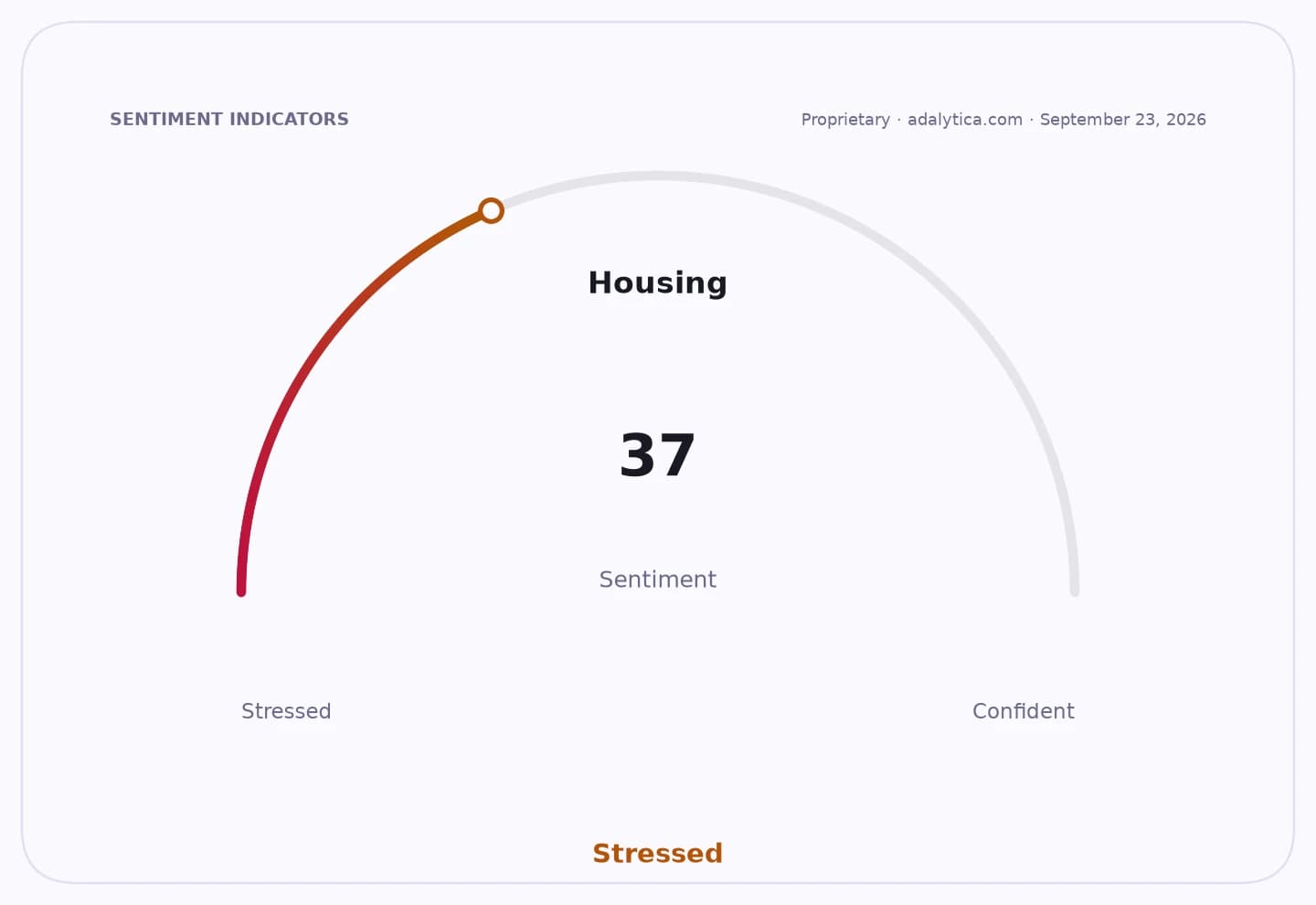
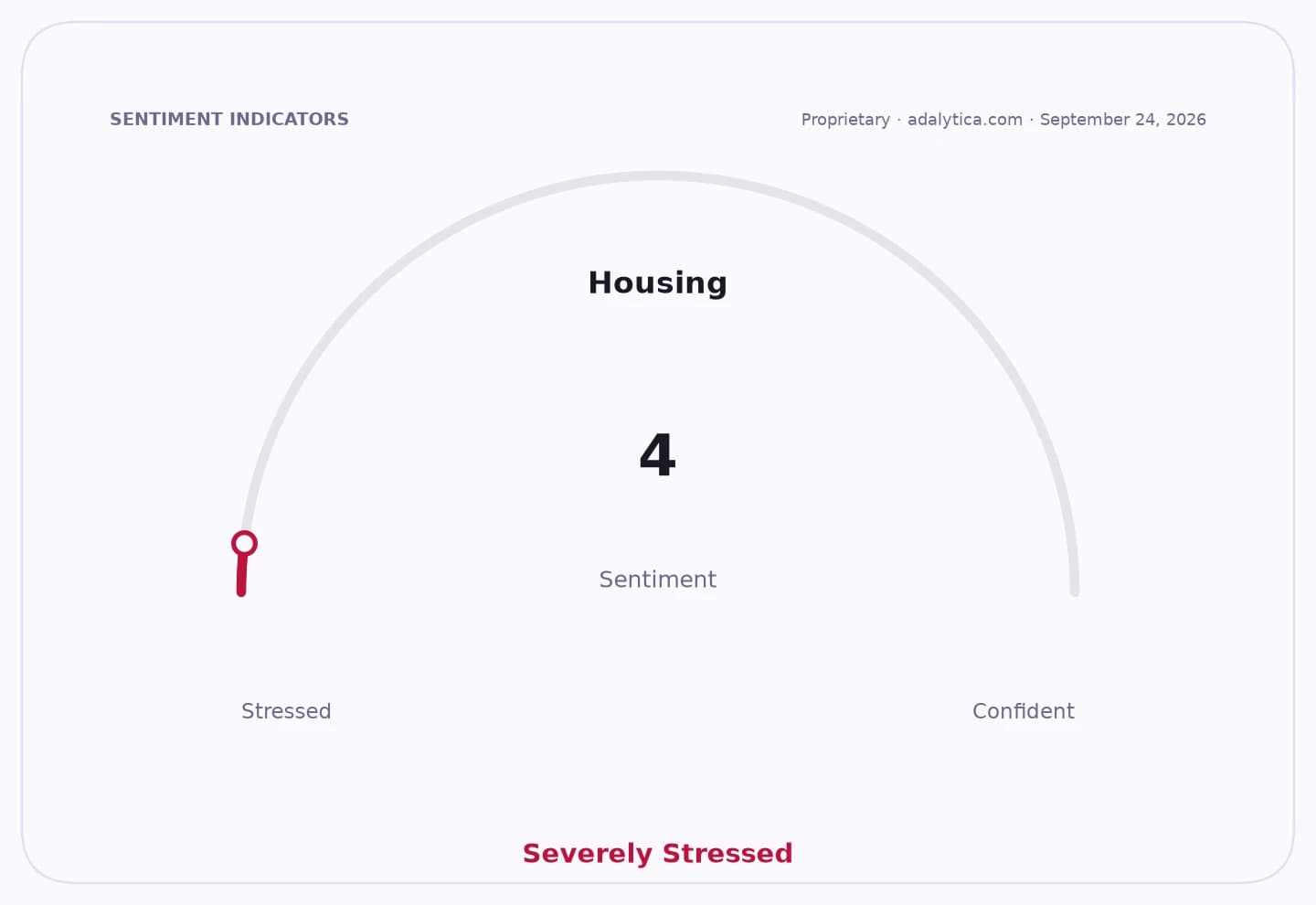
Sentiment IndicatorsⓘProprietary · adalytica.com · September 1, 2026
This is a snapshot — live sentiment, awareness and momentum for 130+ markets update continuously in the dashboard.Open AlphaPulse
The bigger story is the split in Europe’s housing market. On one side are trophy units in cities where limited land, strict planning rules and international demand keep bidding intense. On the other are ordinary buyers facing weaker affordability and slower turnover. That divide is exactly why prime real estate keeps outperforming the mass market: the supply of desirable apartments is structurally constrained, while demand from affluent domestic and foreign buyers remains sticky.
Macro conditions have not disappeared from the equation. Euro-area borrowing costs are still far above the ultra-cheap financing era that fuelled the last property boom, but the luxury end is far less rate-sensitive than first-time buyers or leveraged investors. Instead, it is driven by wealth preservation, scarcity and location. In that sense, the 23,000-euro price tag is less a warning sign than confirmation that prime European cities remain toll roads for capital.
Investors should read this as a second-order opportunity. If top-tier apartments are still appreciating, the beneficiaries are not just landlords and developers with exposure to premium urban stock. The real upside often sits with the picks-and-shovels: residential REITs with exposure to supply-constrained markets, construction names tied to scarce urban development, energy-efficient retrofit providers, and property platforms that monetize transactions in high-value cities. The losers are households priced out of the core, suburban markets that must absorb demand spillover, and policymakers trying to keep housing politically manageable.
Adalytica’s Housing Fear & Greed Index shows sentiment for XHB, the U.S. homebuilders ETF, has dropped back into fear, underscoring how quickly housing stocks can swing when affordability and rate expectations shift. But that weakness also reinforces the thesis: broad housing fear often coexists with durable strength in the narrow luxury segment, where balance sheets and scarcity matter more than mortgage math.
The investing takeaway is simple: do not confuse a soft mass-market housing backdrop with weakness in premium real estate. Europe’s priciest apartments are telling us the scarce end of the market still commands pricing power, and that makes developers, landlords and infrastructure-linked names in the right cities the more compelling long-term play.
| Entity | Gains | Losses |
|---|---|---|
| Prime-city apartment owners | ▲Higher asset values | ▼None in the near term |
| Luxury developers / landlords | ▲Pricing power | ▼Mass-market sellers |
| Construction / retrofit suppliers | ▲Demand for high-end projects | ▼Price-sensitive builders |
| First-time buyers / renters | ▲None | ▼Affordability pressure |