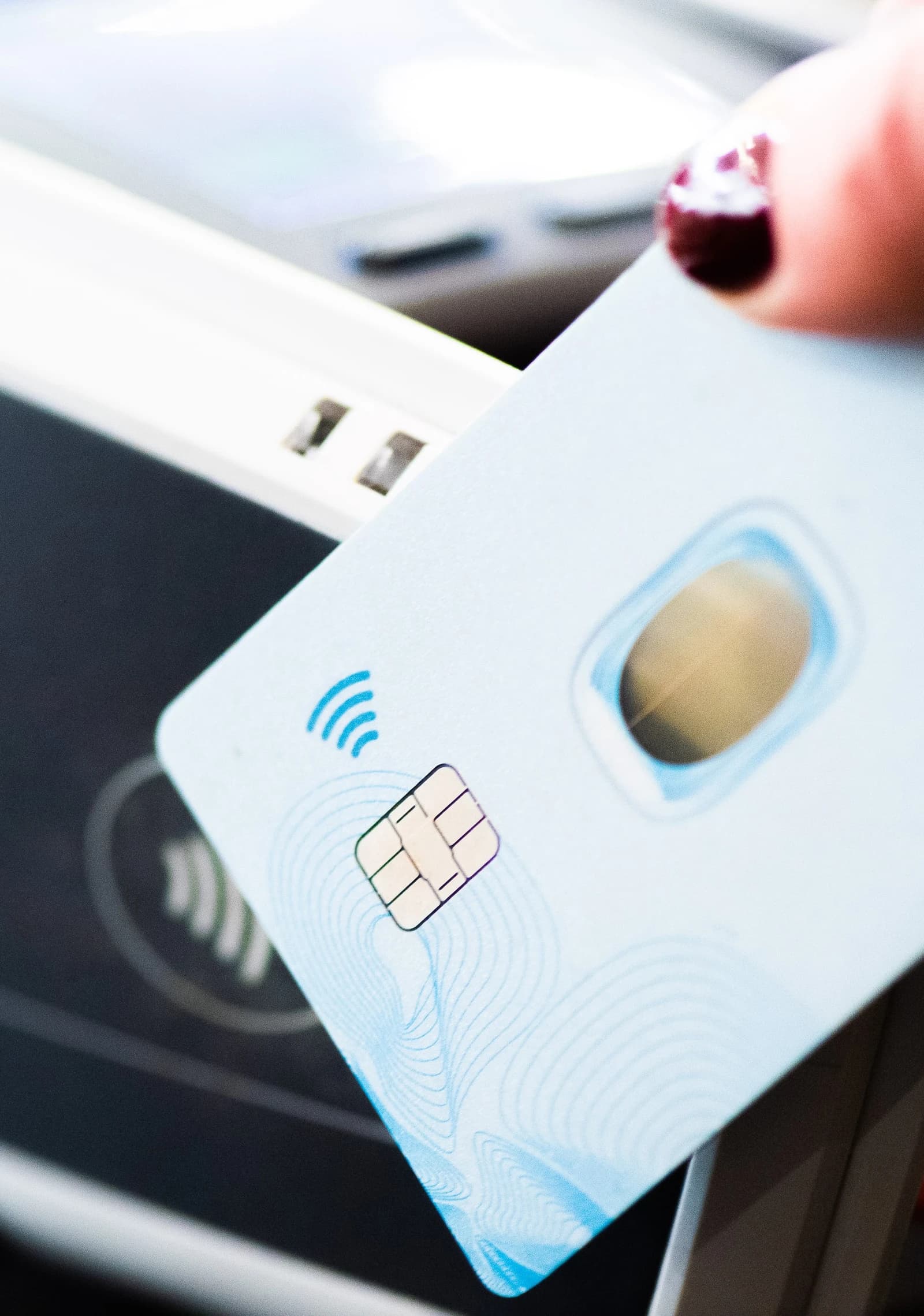
European banks are urging households to keep cash at home again, arguing that the smartest payment app in the world is useless when the power goes out or the network fails.
European banks urge households to keep cash at home
That message matters because it cuts against the assumption that cashless payments are always safer and more efficient. For investors, the shift is a reminder that even in a highly digital economy, resilience still has value — and so does the infrastructure that supports it, from card networks to cash logistics and backup banking systems.
Sentiment IndicatorsⓘProprietary · adalytica.com · October 19, 2026
This is a snapshot — live sentiment, awareness and momentum for 130+ markets update continuously in the dashboard.Open AlphaPulse
The clearest signal comes from central banks and public authorities in the Netherlands, Austria, Finland and Sweden, which have put numbers on the recommendation. The European Central Bank said a sensible household buffer is roughly 70 to 100 euros per person, or enough to cover essential purchases for about 72 hours. At current Czech koruna exchange rates, that works out to roughly 1,700 to 2,400 koruna per person.
Sweden went further. Its central bank recommended 1,000 Swedish kronor per adult, or close to 2,200 koruna, enough for a week of basic shopping. It also advised consumers to carry physical bank cards, not just mobile wallets, and to know their PINs by heart.
Why the sudden emphasis on banknotes? Because the vulnerability is easy to understand. Card payments and mobile wallets rely on electricity, telecoms and functioning bank systems. A regional blackout, cyberattack or technical failure can shut down the cashless economy in minutes. Cash does not need a signal.
That was not a theoretical concern. A major power outage in Spain and Portugal in April 2025 brought the issue into sharp relief, and the ECB said cash demand also rose during the pandemic, the Greek debt crisis and after Russia’s invasion of Ukraine. In other words, when uncertainty rises, households reach for banknotes.
For Czech readers, the official 72-hour crisis guide from the interior ministry and firefighters also tells families to keep cash in their emergency supplies, but it stops short of naming a sum. The article’s practical translation of the European guidance puts the target at a few thousand koruna at minimum for many households, preferably in smaller bills and some coins.
That detail matters more than it looks. Small denominations are easier to use if shops are open but card terminals are not, and they reduce friction if a retailer cannot make change. Central banks in Sweden and the Netherlands also say households should build the reserve gradually instead of rushing to the ATM all at once.
For investors, the bigger story is not that cash is making a comeback in everyday life. It is that payments are becoming more layered, not less. Digital rails remain the long-term winner, but the rise of cash backup planning reinforces the need for redundancy in the system. That supports the case for diversified exposure across payment networks, banks, cash-handling services and the broader financial infrastructure ecosystem.
The long-term takeaway is simple: the more digital payments become, the more valuable it is to have a fallback. Households do not need to abandon cards or phones. They just need a small reserve of cash — and investors should keep watching which businesses benefit when resilience becomes a feature, not an afterthought.
| Entity | Gains | Losses |
|---|---|---|
| Households | ▲Payment backup | ▼Cashless-only risk |
| Cash networks | ▲Renewed demand | ▼Shrinking usage |
| Card/mobile payments | ▲Still primary rail | ▼Exposed to outages |
| Banks/regulators | ▲Greater resilience | ▼Pure digital complacency |