The euro slipped under strong pressure after the Federal Reserve raised US interest rates by 25 basis points and signalled that more tightening could follow, pushing EUR/USD down to 1.1466 and reinforcing the dollar’s yield advantage.
EUR/USD Falls After Fed Rate Hike
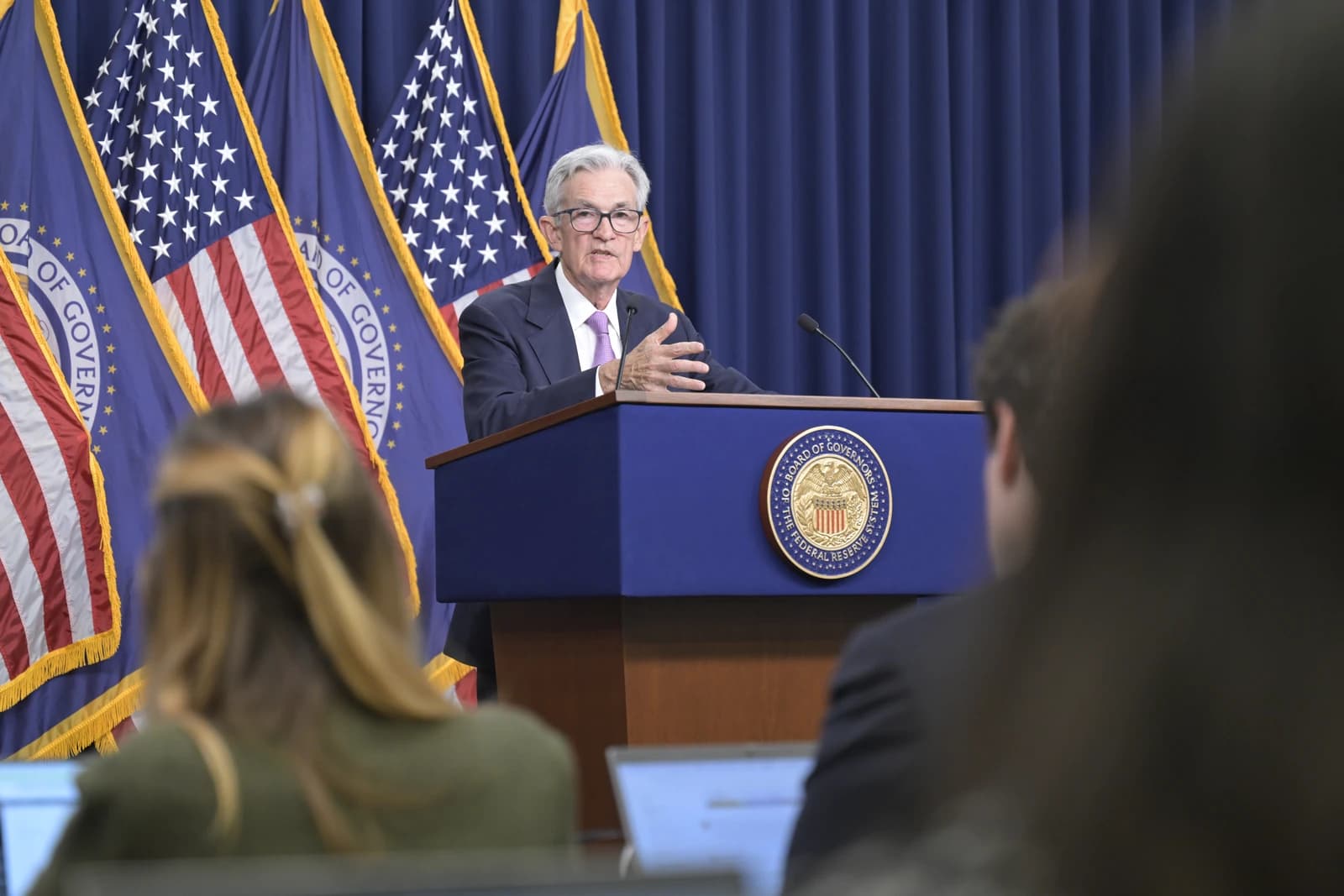
The move matters because it is less about the size of Wednesday’s hike than about what it implies for the policy gap between the US and the eurozone. A higher-for-longer Fed keeps dollar assets more attractive for global investors, especially if the European Central Bank stays comparatively cautious. That widens the rate differential driving capital flows, supports the dollar, and makes it harder for the euro to recover even when the immediate decision is largely priced in.
Sentiment IndicatorsⓘProprietary · adalytica.com · September 18, 2026
This is a snapshot — live sentiment, awareness and momentum for 130+ markets update continuously in the dashboard.Open AlphaPulse
The pair’s drop to 1.1466 in New York came after the ECB set a reference rate of 1.1537, slightly below 1.1539 the day before, underscoring how quickly the market is repricing the outlook. The Fed’s unanimous vote appears to have strengthened the message that US policymakers remain determined to keep inflation in check, a stance that traders read as supportive for the greenback.
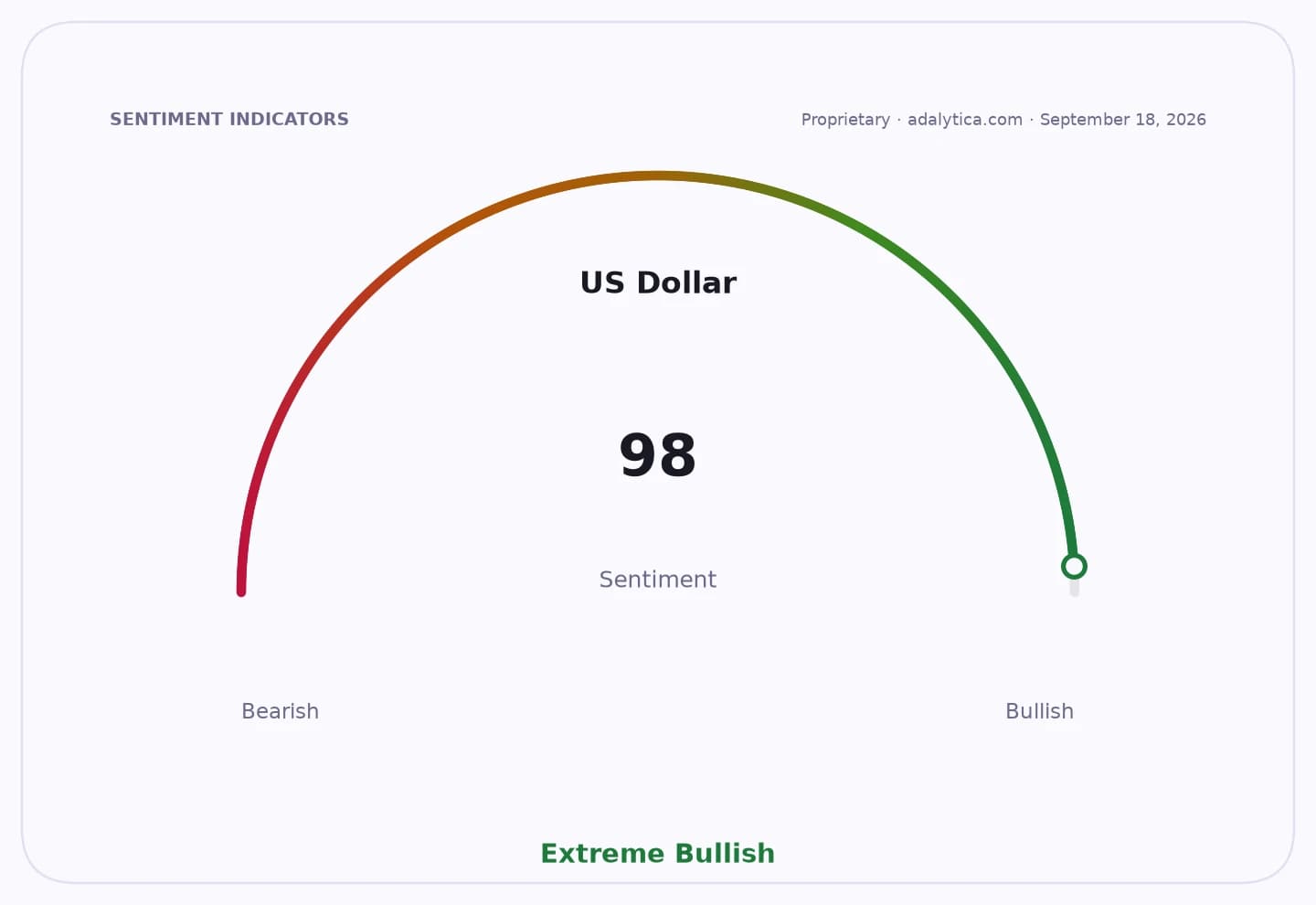
The technical backdrop adds to the caution. EUR/USD is trading around 1.15, below its 200-day moving average of 1.16 and pinned near the lower edge of its recent Bollinger Band range. The relative strength index has eased to 30.1, close to oversold territory, which suggests the pair is extended to the downside but does not yet signal a durable reversal. The dollar appears firmer across assets too: the dollar index ETF UUP has risen to 28.44, while Adalytica’s US Dollar Trade Signals show sentiment at 98, labeled “Extreme Greed,” reflecting strong momentum in dollar positioning.
For investors, the key question is whether the dollar’s rally is becoming self-reinforcing. Stephen Brown of Capital Economics said comments from Fed Chair Kevin Warsh could point to another rate increase before year-end and a third early next year, which would keep pressure on EUR/USD if supported by inflation and labour data. In that scenario, euro weakness would feed into imported inflation for the euro area and could complicate the ECB’s room to ease policy.
The bear case for the euro is straightforward: if the Fed follows through on additional hikes while the ECB remains on hold or turns more dovish, US yields should stay elevated relative to Europe’s and continue drawing capital into dollar assets. The bull case is that much of the tightening path is already reflected in prices, and with EUR/USD near oversold levels, any softening in US data or less hawkish Fed guidance could trigger a short-covering bounce.
What markets will watch next is the run of US inflation, employment and activity data, along with further Fed commentary. For now, the message is clear: the dollar’s latest advance is being driven by policy expectations, and until those expectations shift, the euro remains vulnerable to further losses.
| Entity | Gains | Losses |
|---|---|---|
| US dollar | ▲Higher yield appeal | ▼Euro and other low-yield currencies |
| Federal Reserve | ▲Policy credibility | ▼Borrowers facing higher funding costs |
| Eurozone exporters | ▲Weaker currency support | ▼Importers and consumers |
| EUR/USD bulls | ▲Oversold bounce potential | ▼Downtrend momentum |