Fast Retailing’s record annual profit is the clearest sign yet that Uniqlo’s scale, pricing power and global reach are still compounding, and that matters far beyond one Japanese retailer.
Fast Retailing reports record annual profit
The company behind Uniqlo said earnings hit an all-time high and that it expects further growth, a combination that tells investors two important things: demand for its value-focused apparel remains resilient, and management still sees room to expand margins and sales even after a strong run in the shares. For long-term shareholders, that is the sort of message that can support a premium valuation, especially when the broader consumer backdrop remains uneven.
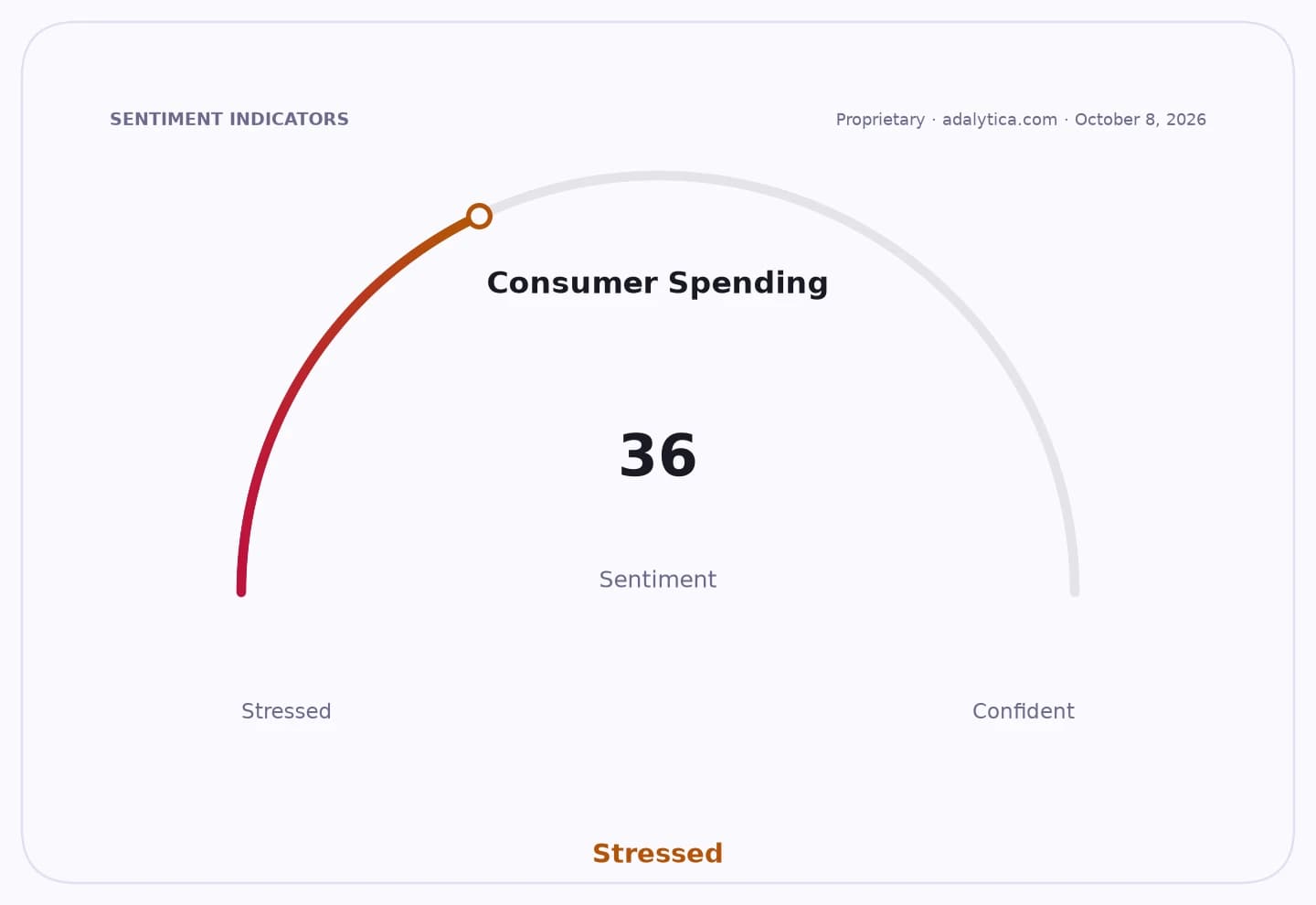
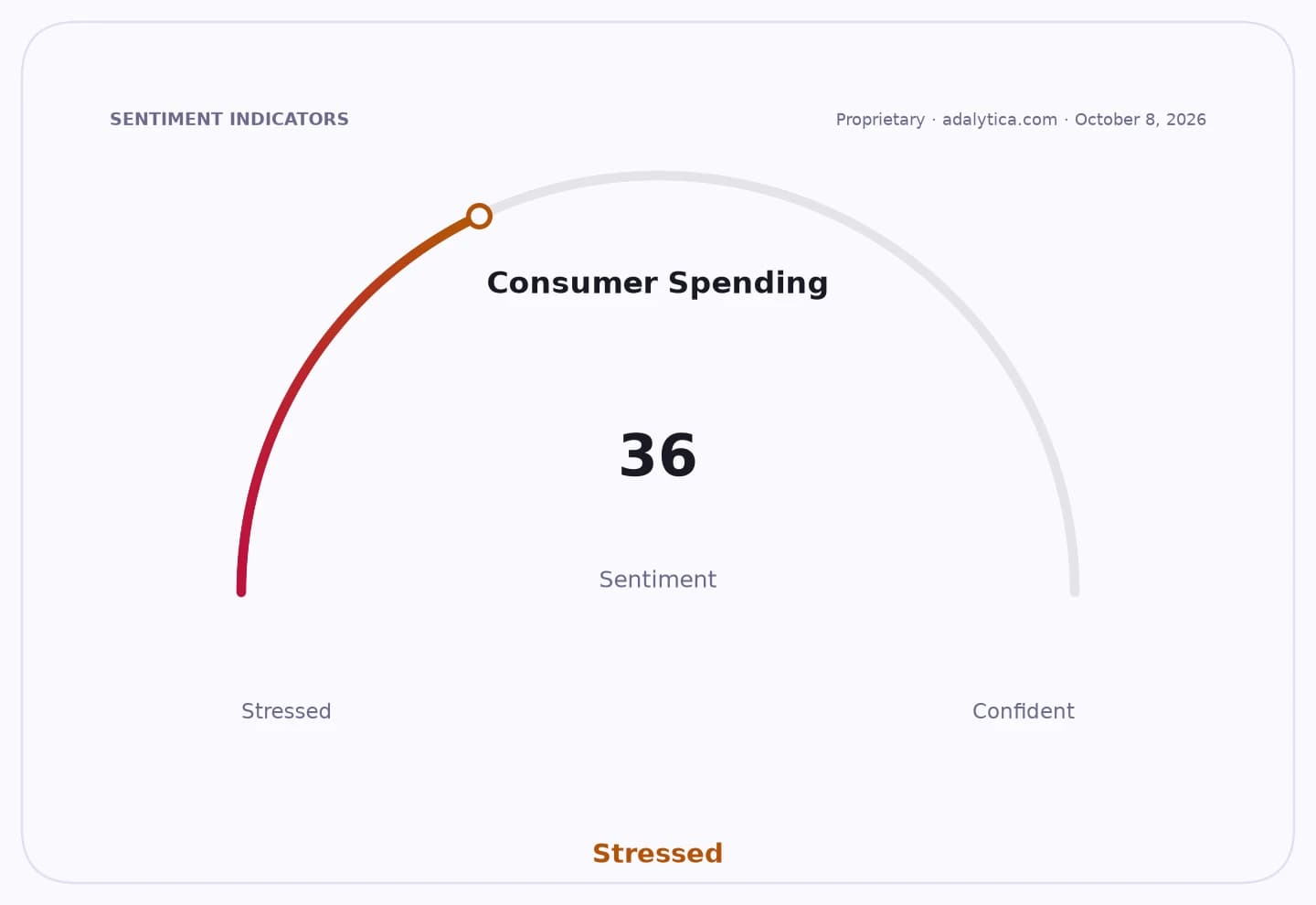
Sentiment IndicatorsⓘProprietary · adalytica.com · October 9, 2026
This is a snapshot — live sentiment, awareness and momentum for 130+ markets update continuously in the dashboard.Open AlphaPulse
The stock has already been acting like a winner. Fast Retailing’s shares were trading above both the 50-day and 200-day moving averages in recent sessions, a sign the market has been rewarding the company’s growth story rather than questioning it. Momentum has also been strong on conventional technical indicators such as RSI and MACD, but the bigger point is fundamental: investors are paying up because the business keeps delivering.
That is not an accident. Fast Retailing has built one of the most durable consumer brands in Asia and is steadily turning Uniqlo into a global staple rather than a regional retailer. In a world where shoppers remain careful, companies that can offer everyday basics, consistent quality and efficient distribution often hold up better than fashion-led peers. That helps explain why retail names tied to value and practical spending have continued to draw attention even as consumers stay price-sensitive.
For investors, the appeal is the combination of growth and resilience. Record profit suggests Fast Retailing is not merely riding a cyclical bounce; it is benefiting from a business model that can compound through store expansion, e-commerce, supply-chain discipline and brand loyalty. If the company keeps converting that into higher cash flow, it can keep reinvesting in growth while still supporting shareholder returns over time.
There are risks, of course. Fashion retail is never immune to currency swings, inventory missteps or a sudden slowdown in consumer spending. But the long-term case for Fast Retailing is that it has already proved it can scale across geographies while keeping the brand broad enough to attract repeat buyers. That is a useful moat in a sector where trends fade quickly.
For investors willing to think in years, not weeks, the message is straightforward: Fast Retailing remains one of the more compelling consumer growth stories in Japan, and a record profit with more growth ahead is exactly the kind of operating performance worth watching, and potentially holding, for the long term.
| Entity | Gains | Losses |
|---|---|---|
| Fast Retailing | ▲Higher earnings power | ▼Short sellers |
| Uniqlo | ▲Stronger brand momentum | ▼Discount apparel rivals |
| Long-term shareholders | ▲Compounding potential | ▼Traders chasing quick swings |
| Consumer staples retailers | ▲Demand for basics | ▼Fashion-led retailers |