FE CREDIT is falling behind VietCredit as heavier credit-loss provisions squeeze earnings in Vietnam’s consumer finance market, even as profits across the six biggest lenders rose 36.8% in the first half of 2026.
FE CREDIT lags VietCredit as provisions rise
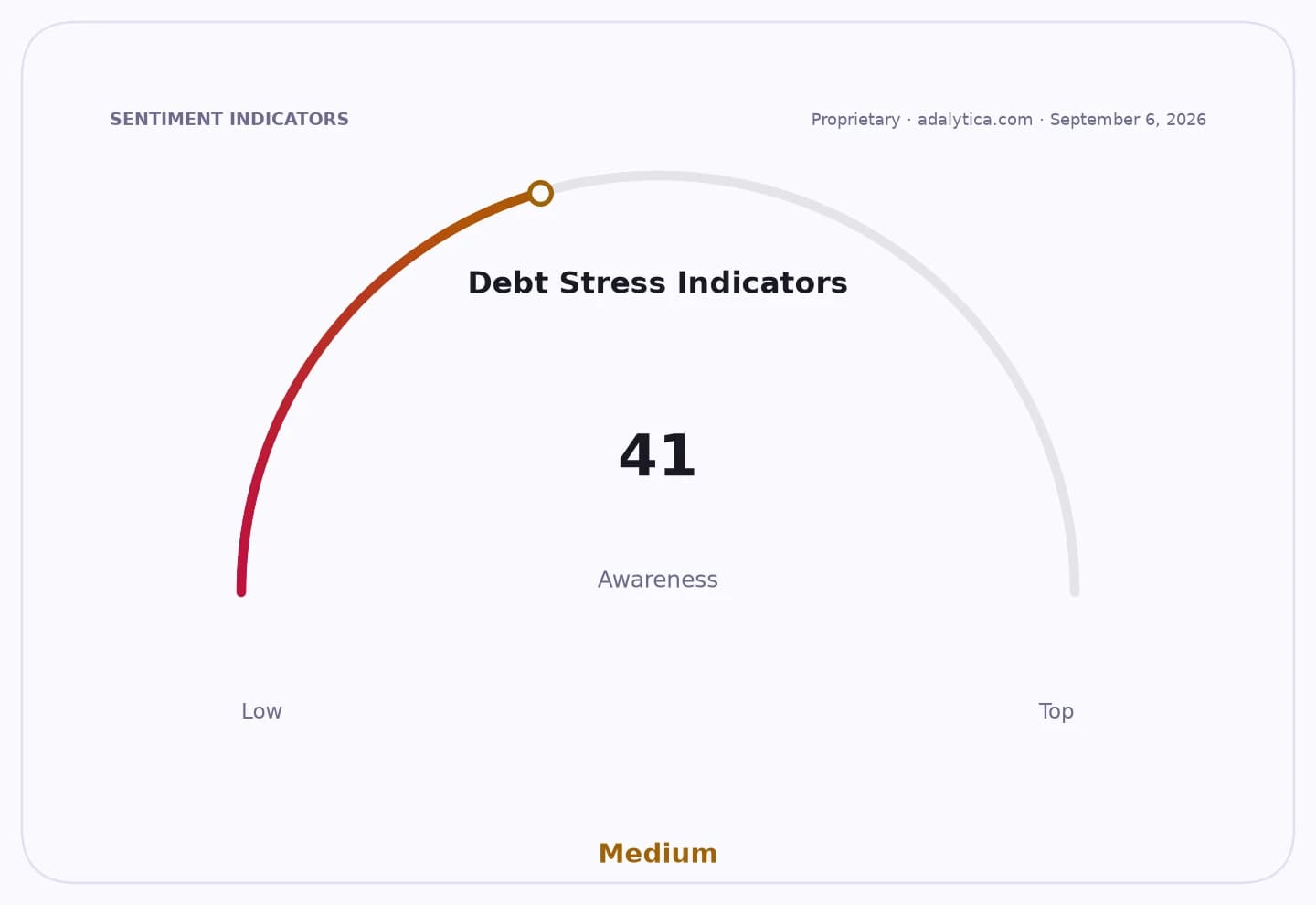
The widening gap matters because it shows the sector’s recovery is being driven less by headline loan growth than by who can convert lending into bottom-line profit without letting bad debt eat most of the gains. That is especially important in a business exposed to households under strain and now facing tighter regulatory scrutiny over lending practices.
Sentiment IndicatorsⓘProprietary · adalytica.com · September 6, 2026
This is a snapshot — live sentiment, awareness and momentum for 130+ markets update continuously in the dashboard.Open AlphaPulse
Combined pre-tax profit at the six companies rose to about 3,983 billion dong from around 2,912 billion dong a year earlier. VietCredit accounted for 68.8% of the extra profit, lifting pre-tax earnings 232% to 1,055 billion dong and turning itself into the main engine of sector growth. Strip out VietCredit, and the other five lenders posted a much more modest 12.9% increase.
FE CREDIT, by contrast, was the only major player in the group to see profit fall, with pre-tax earnings down 42.8% to 153 billion dong. Its revenue rose 7.7% to more than 10.2 trillion dong and pre-provision profit increased 6.2% to about 6.3 trillion dong, but provisions still consumed 97.6% of pre-provision profit. That left very little for shareholders after loss charges, underscoring how expensive the cleanup of its loan book remains.
Mcredit showed a similar pattern, with provisions taking up 95.6% of pre-provision profit and leaving only about 100 billion dong in pre-tax earnings. VietCredit, while also booking sharply higher provisions, kept 44.8 dong of every 100 dong of pre-provision profit as pre-tax profit, far ahead of FE CREDIT and Mcredit.
The split reflects two different phases of the cycle. VietCredit has been expanding lending quickly, with customer loans up 22.6% from the end of 2025 to 18.2 trillion dong at June 30, while net interest income more than tripled. But that growth has also come with a jump in risk: special-mention loans rose 54.7% to 1.53 trillion dong and credit-loss provisions nearly quadrupled to 1.299 trillion dong. Even so, the business is still generating enough operating leverage to outpace the cost of risk.
FE CREDIT is in a slower, more difficult stage of balance-sheet repair. Management has previously said its non-performing loan ratio had been as high as 20% after the pandemic and was still being worked down from the mid-teens toward 11%-12%. The first-half numbers suggest that restructuring is still suppressing earnings and that a meaningful improvement in profitability will depend on better asset quality, not just loan expansion.
For investors, the message is that Vietnam’s consumer finance rebound is not a broad-based rerating story. The market is rewarding lenders that can grow without letting provisions overwhelm income, while punishing those still trapped in cleanup mode. That creates a clearer hierarchy in the sector: VietCredit and, to a lesser extent, Home Credit and HD SAISON are showing earnings momentum, while FE CREDIT remains the key laggard.
The next test will be whether higher lending volumes can hold up without another step-up in risk costs. If delinquency trends stabilize, the current profit gap could narrow. If not, the gap between the sector’s winners and losers is likely to widen further as regulators tighten oversight and lenders compete for a still-cautious household borrower.
| Entity | Gains | Losses |
|---|---|---|
| VietCredit | ▲Faster profit growth | ▼Higher credit risk |
| FE CREDIT | ▲Loan-book cleanup progress | ▼Earnings hit from provisions |
| Mcredit | ▲Stable core profitability | ▼Provisions absorb returns |
| Investors in stronger lenders | ▲Better earnings visibility | ▼Exposure to turnaround risk |