Ferrari’s first electric model has been fully sold out through 2027, turning a heavily mocked launch into one of the strongest demand signals in the luxury-car market and reinforcing the Italian automaker’s pricing power even as it sells fewer cars overall.
Ferrari EV sold out through 2027
The milestone matters because Ferrari is proving it can expand beyond its combustion-engine identity without diluting the scarcity that underpins its margins. Buyers are still lining up for exclusivity, and that is translating into richer profits from personalization and bespoke options rather than volume growth.
Sentiment Indicators
That combination helped Ferrari post a strong third quarter, with customization demand offsetting lower unit sales. Investors care because that mix is exactly what supports Ferrari’s premium valuation: limited supply, high margins and a brand that can charge more even when the broader consumer backdrop looks shaky.
The stock has reflected that resilience. Ferrari shares recently traded around $416, above both the 50-day and 200-day moving averages, while the relative strength index remained elevated at 63.1, suggesting the market still assigns a premium to the company’s earnings model despite recent volatility.
The sell-out also blunts the early criticism surrounding Ferrari’s EV strategy. What some fans dismissed as the company’s worst-ever project is now a commercial success, with the Luce already spoken for well before deliveries ramp up.
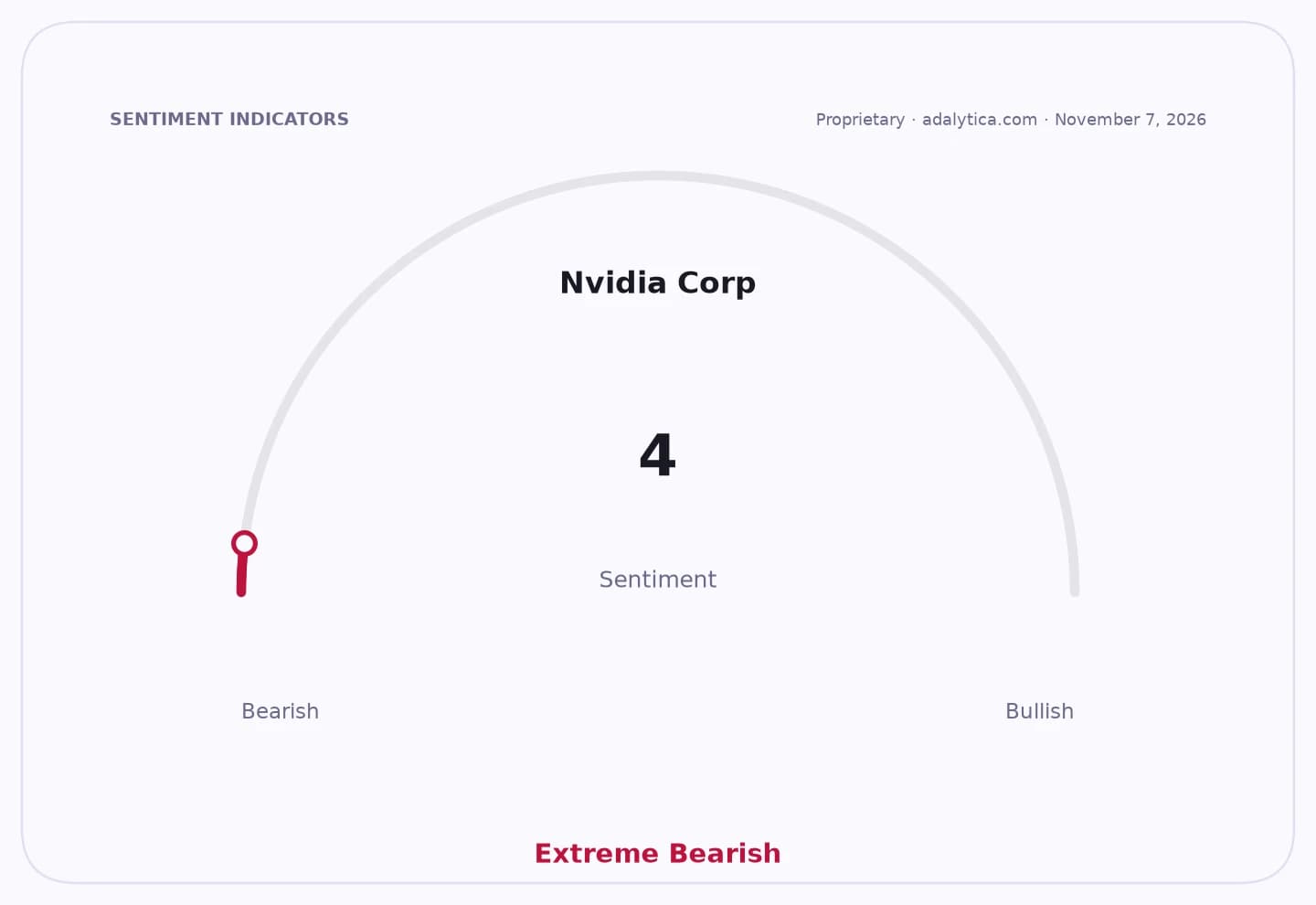
That backdrop stands out against a deteriorating consumer mood. Adalytica’s consumer spending sentiment sits in fear territory at 18, while consumer-confidence recession sentiment is in extreme fear at 4, highlighting the breadth of caution elsewhere in the economy.
For Ferrari, that is the point: it is less exposed to mass-market demand than rivals and more insulated by wealthier buyers, customization fees and scarcity. Bank of America’s upgraded 2026 outlook adds to the view that Ferrari can keep growing earnings even if the global luxury cycle cools.
The next test is whether Ferrari can sustain that momentum as it broadens its EV lineup and converts the Luce’s sold-out status into a longer-running profit engine.
| Entity | Gains | Losses |
|---|---|---|
| Ferrari | ▲Higher margins, sold-out EV demand | ▼Criticism over EV pivot |
| Buyers of the Luce | ▲Access to scarce Ferrari EV | ▼Waiting list, limited supply |
| Long Ferrari investors | ▲Pricing power, earnings visibility | ▼Overheated valuation risk |
| Luxury rivals | ▲Validation of premium EV demand | ▼Pressure to match Ferrari’s scarcity model |