A Ferrari F50 with just 170 kilometers on the odometer has sold for $18.705 million in Las Vegas, setting a new benchmark for the model and underscoring how scarcity, originality and low mileage can push classic supercar prices well beyond the cost of modern hypercars.
Ferrari F50 sells for $18.705 million in Las Vegas
The sale matters because it shows that the upper end of the collector-car market remains driven less by raw performance than by provenance and preservation. In a market where new technology often commands the headlines, buyers are still paying extraordinary premiums for analog-era Ferraris with limited production, manual gearboxes and factory-correct condition.
The 1997 car, chassis 334 of only 349 built, changed hands at Broad Arrow’s auction during the Concours at Wynn Las Vegas. The hammer price was $17 million before fees lifted the total to $18.705 million. That made it the most expensive Ferrari F50 ever sold, according to reports from the auction.
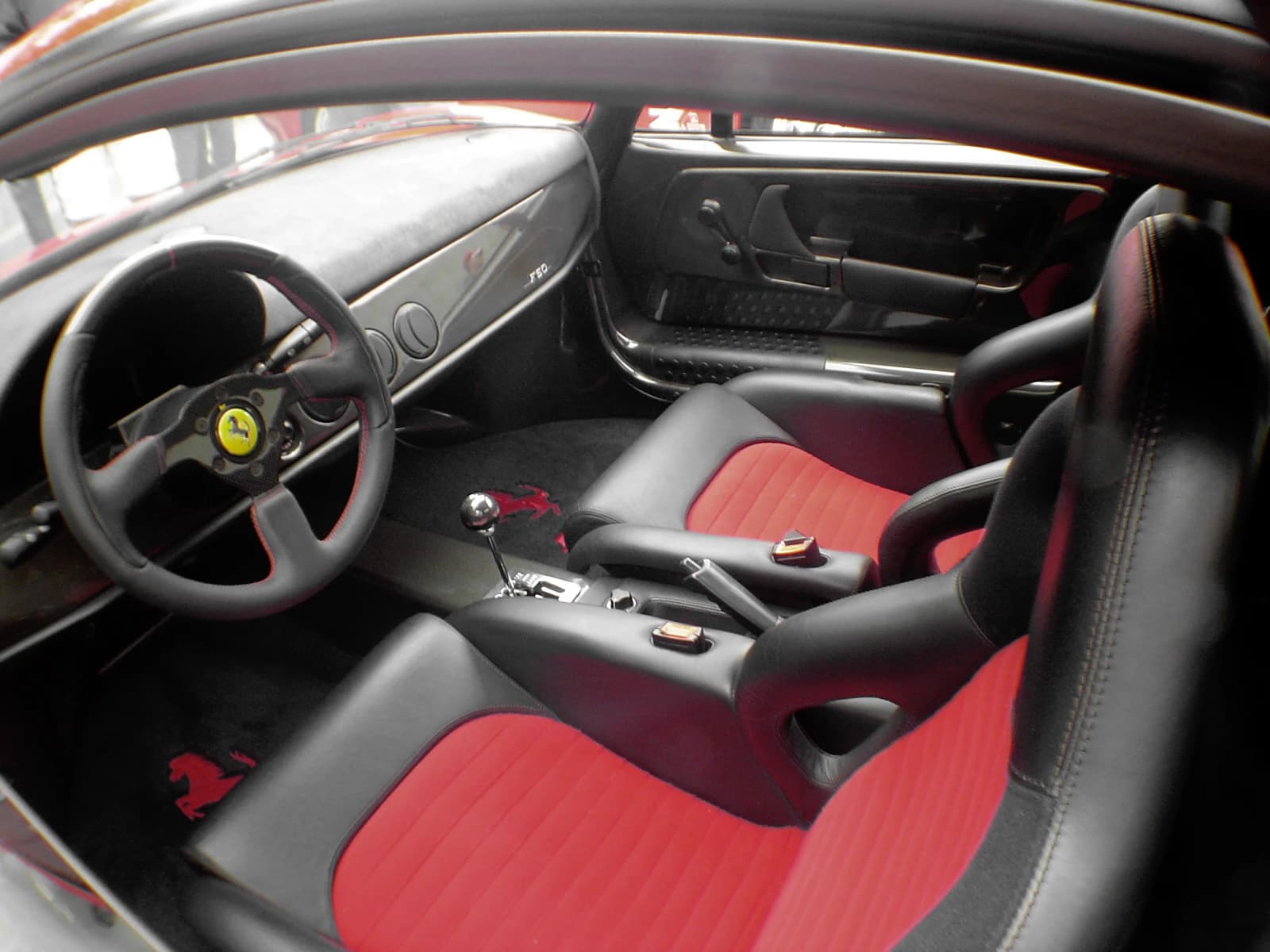
What made this car exceptional was not merely that it was an F50 — one of Ferrari’s most coveted 1990s V12 supercars — but that it had been driven almost not at all. Nearly three decades after leaving Maranello, it still carried its removable hardtop, fitted Schedoni luggage, toolkit and even unused racing shoes. For collectors, that kind of completeness is as important as mileage, because it preserves the car as a time capsule rather than a used machine.
The result also reinforces Ferrari’s enduring pricing power at the top of the collector market. Even as modern supercars deliver more power, more electronics and greater usability, older Ferraris with manual transmissions and emotional appeal continue to dominate marquee auctions. The seller benefited from a deep pool of ultra-wealthy buyers chasing rarity; the buyer paid up for an asset that is both collectible and, in some cases, investable.
For investors, the takeaway is broader than one record auction. Luxury and collectible assets are still attracting capital when they combine brand, scarcity and verifiable condition. That dynamic can support Ferrari’s halo as a nameplate, even if it does not directly move near-term earnings. It also helps explain why Ferrari’s most desirable models often behave like trophy assets in a market that increasingly rewards authenticity over novelty.
The auction fits into a wider pattern of Ferrari dominance at high-profile sales, where cars bearing the prancing horse badge routinely lead the market. For now, the message from Las Vegas is that the most prized Ferraris are still setting their own price floor — and low-mileage, original-condition examples remain the ultimate prize.
| Entity | Gains | Losses |
|---|---|---|
| Ferrari | ▲Brand halo and collector demand | ▼No direct revenue from resale |
| Seller | ▲Record sale proceeds | ▼Gives up a trophy asset |
| Collector buyers | ▲Trophy ownership and scarcity value | ▼High acquisition cost |
| Modern hypercars | ▲Benchmark to beat on performance | ▼Outshone on auction prestige |