Finland’s tax fight is less about whether high earners are paying their share than about who is actually catching the benefit of Prime Minister Petteri Orpo’s tax cuts.
Finland tax cuts boost middle incomes, data shows

That matters because the government is trying to sell a broad income-tax reform as pro-growth and fair, while opponents are arguing it tilts too far toward the richest households. Orpo’s own finance ministry data suggests the opposite headline: the top 10% of income earners paid 44.52% of all earned-income taxes in 2023, and their share is projected to rise to 45.26% by 2027.
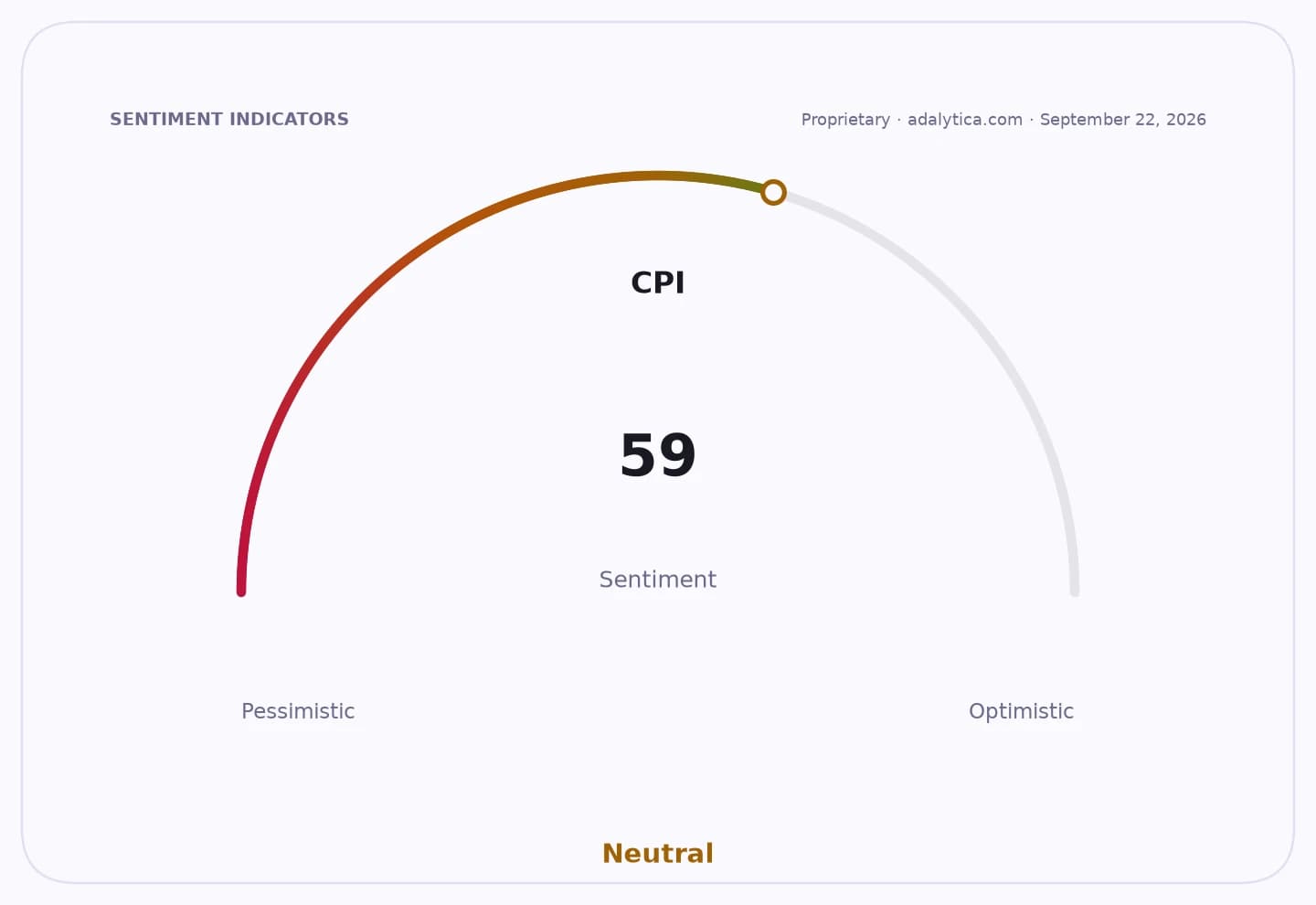
Sentiment IndicatorsⓘProprietary · adalytica.com · September 3, 2026
This is a snapshot — live sentiment, awareness and momentum for 130+ markets update continuously in the dashboard.Open AlphaPulse
The political significance is obvious, but the economic one is more important for investors and businesses. Finland is trying to support work incentives and household spending at a time when unemployment is still a drag and consumers remain cautious. Lower taxes can help, but only if they are broad enough to lift disposable income for people who actually spend it. In this case, the ministry’s numbers show the biggest changes are not being captured only by ultra-rich households. In Finland’s tax model, an income of a little over 62,000 euros a year — roughly 5,000 euros a month — already places someone in the top decile, and that threshold is expected to move closer to 70,000 euros by 2027.
That helps explain why the debate is so heated. Opposition leader Antti Lindtman has argued that the government’s income-tax relief gives the biggest euro gains to those at the top, while teachers and sales workers get only small monthly relief. Orpo countered by pointing to the overall tax share paid by high earners. Both can be true at once: the highest earners may get the largest nominal cuts, but the top decile as defined in the ministry’s data includes many middle-to-upper-middle-income workers, not just corporate executives and financiers. That is important because it means the policy’s economic effects are likely to be spread more widely than the politics suggest.
For investors, the key issue is whether tax relief will eventually shore up domestic demand, especially for consumer-facing companies, while leaving the state with enough room to fund services and maintain fiscal credibility. If the cuts mainly benefit households in the 5,000-euro-to-8,000-euro monthly range, the spending impulse could be steadier than a purely high-income giveaway. But if unemployment stays elevated, the lower half of the income distribution will not see the same lift, and the policy boost to consumption may be muted.
The bigger narrative here is that Finland is wrestling with a classic Nordic trade-off: how to reward work and preserve competitiveness without triggering a backlash over fairness. That debate is not going away, especially as demographic pressures and a weaker labor market complicate the revenue picture. For long-term investors, the implication is simple: watch whether the tax changes translate into real consumer demand and corporate earnings, not just another round of political rhetoric. As always, the stocks and sectors tied to Finnish household spending are worth watching, but patience and diversification still matter most.
| Entity | Gains | Losses |
|---|---|---|
| Mid-income workers | ▲Higher take-home pay | ▼Smaller near-term tax relief than top earners |
| High earners | ▲Lower marginal tax burden | ▼More scrutiny over fairness |
| Finnish retailers and consumer firms | ▲Potentially stronger spending | ▼Weak demand if unemployment stays high |
| Finnish state budget | ▲Work incentives if growth improves | ▼Less fiscal room if revenue falls short |