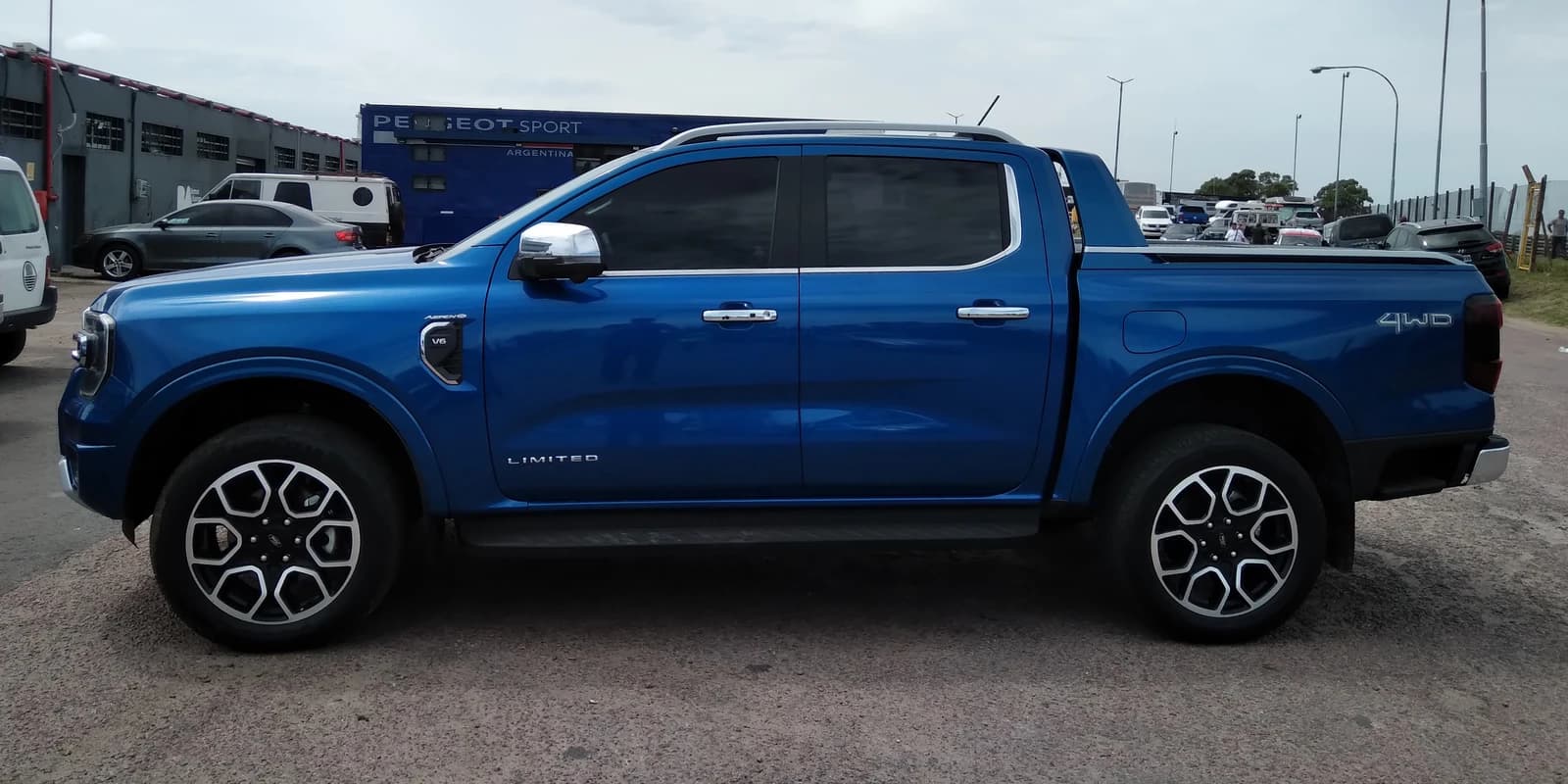
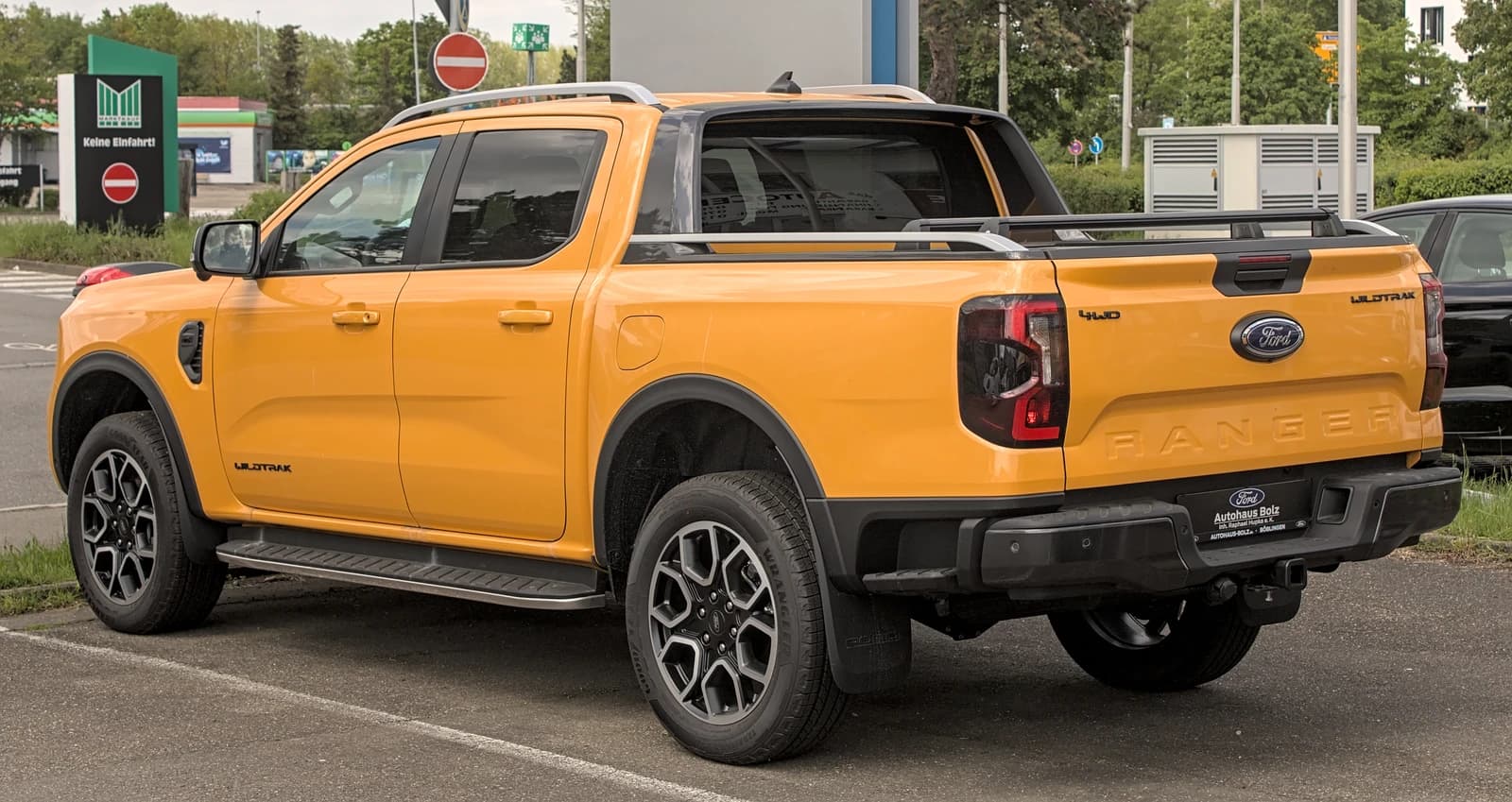
Ford is preparing to launch a cheaper pickup truck than the Ranger in Southeast Asia next year, a move that underscores how intensifying price pressure in global pickup markets is forcing legacy automakers to widen their product range or cede ground to lower-cost rivals.
Ford plans cheaper pickup below Ranger in Asia
The new model, which Ford says will sit below the Ranger, is designed to broaden the company’s pickup lineup at a time when the Ranger and Everest are facing softer demand in some markets and costs are pushing prices beyond what many buyers will bear. For investors, the key issue is not just another model launch but whether Ford can defend volume and market share in price-sensitive regions without diluting the profitability of its best-known truck franchise.
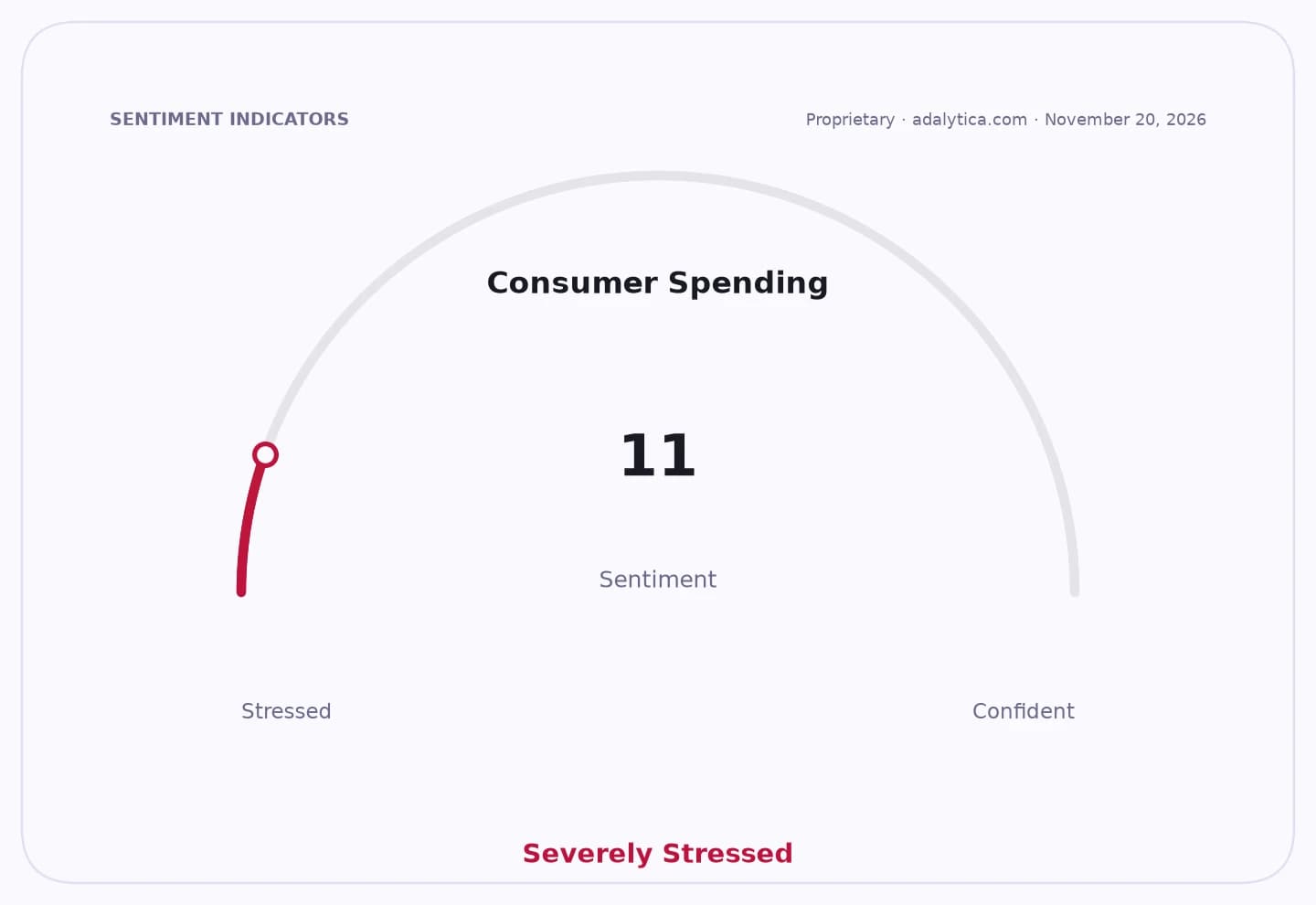
Sentiment Indicators
Chief Executive Jim Farley said the new pickup’s base material costs should be about 20% lower than the current Ranger and that it would be aimed at attracting new customers to the Ford pickup brand in overseas markets. Ford is also framing the truck as a competitive answer to Chinese manufacturers that have been exporting inexpensive pickups into Southeast Asia and Australia, where price and durability matter more than premium features.
That positioning matters economically because pickup trucks remain one of Ford’s most important profit pools, especially in markets where larger trucks carry strong brand equity. But the company is also confronting a structural problem: the Ranger has become too expensive for some commercial and private buyers, while rivals from China are moving downmarket with simpler, cheaper offerings. A lower-priced Ford model could help preserve showroom traffic and keep customers inside the brand rather than pushing them to competing badges.
The strategy also suggests Ford may lean on its joint venture with Jiangling Motors, or JMC, to speed development and reduce costs. That would follow a familiar playbook in which Western automakers use Chinese partners to build vehicles more efficiently for export markets. Ford has already used that route for the Bronco Basecamp and Transit City, while rivals such as Nissan and Stellantis have also tapped Chinese engineering or platforms for pickups sold globally under different names.
A cheaper truck below the Ranger would also give Ford a better shot at markets such as Vietnam, Thailand and Australia, where pickup buyers are highly price-sensitive and where Chinese brands are making inroads. In Vietnam, the Ranger remains dominant, with sales of 9,835 units in the first nine months of the year, but a lower-priced Ford model could strengthen the company’s hold on the segment by giving it a second volume product instead of relying on one premium-priced model.
For investors, the bull case is that Ford can expand the addressable market without undermining the Ranger, using a lower-cost pickup to grow volumes and blunt the advance of Chinese competitors. The bear case is that a cheaper model could cannibalize Ranger sales or pressure margins if Ford has to trade pricing power for volume. How Ford balances those two outcomes will determine whether the new truck becomes a growth engine or a defensive move in a tougher global pickup market.
| Entity | Gains | Losses |
|---|---|---|
| Ford | ▲Wider pickup reach | ▼Margin pressure risk |
| Ranger buyers | ▲Lower-priced option | ▼Less exclusivity |
| Chinese pickup rivals | ▲— | ▼Price advantage narrows |
| Investors | ▲Volume growth upside | ▼Cannibalization concerns |