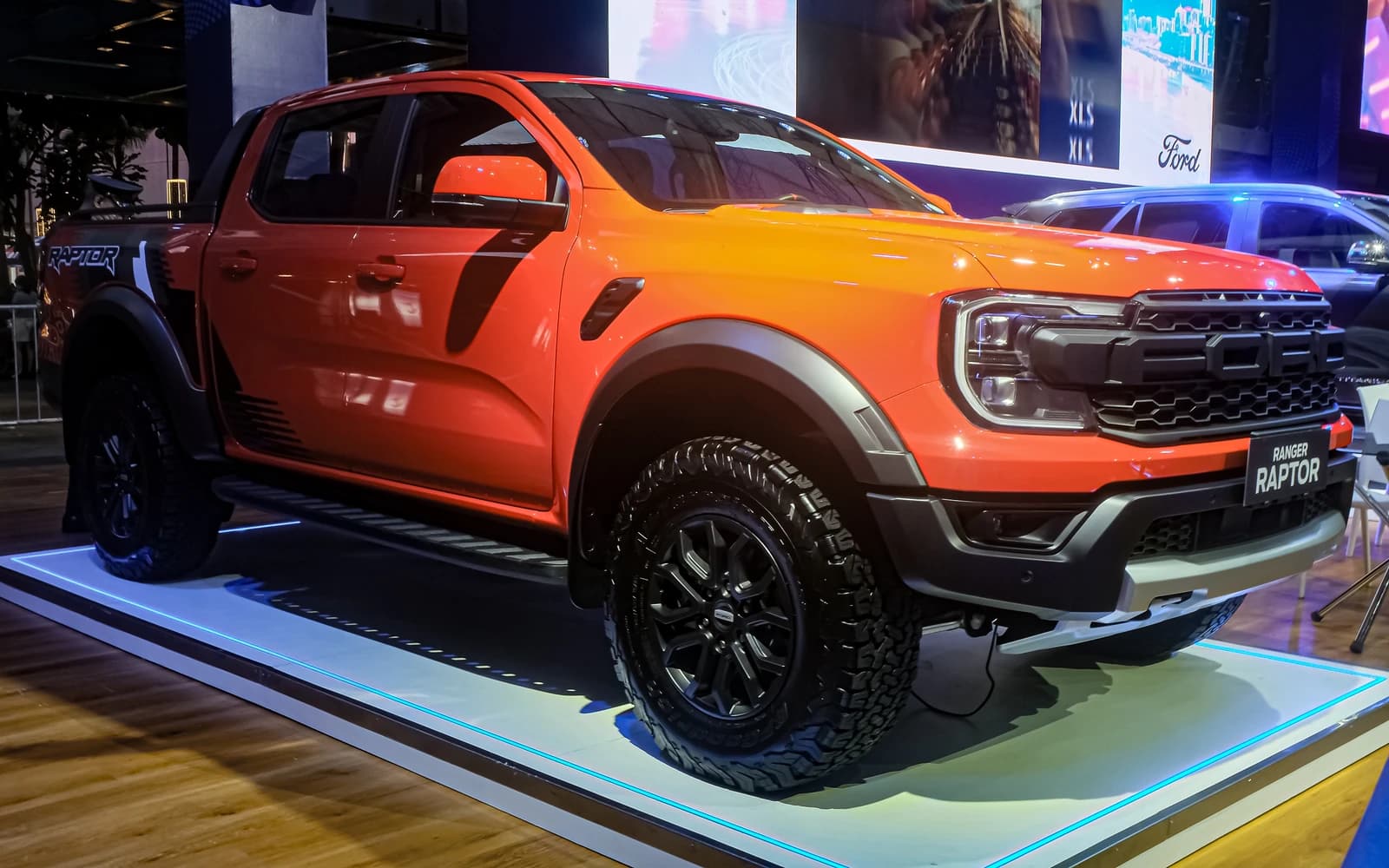
Ford’s next Ranger could get a 3.0-liter V6 gasoline option in 2027, a move that would broaden the mid-size pickup’s appeal at a time when buyers are demanding more power, higher trim content and clearer differentiation from the rest of the truck lineup.
Ford Ranger may get 3.0L V6 in 2027
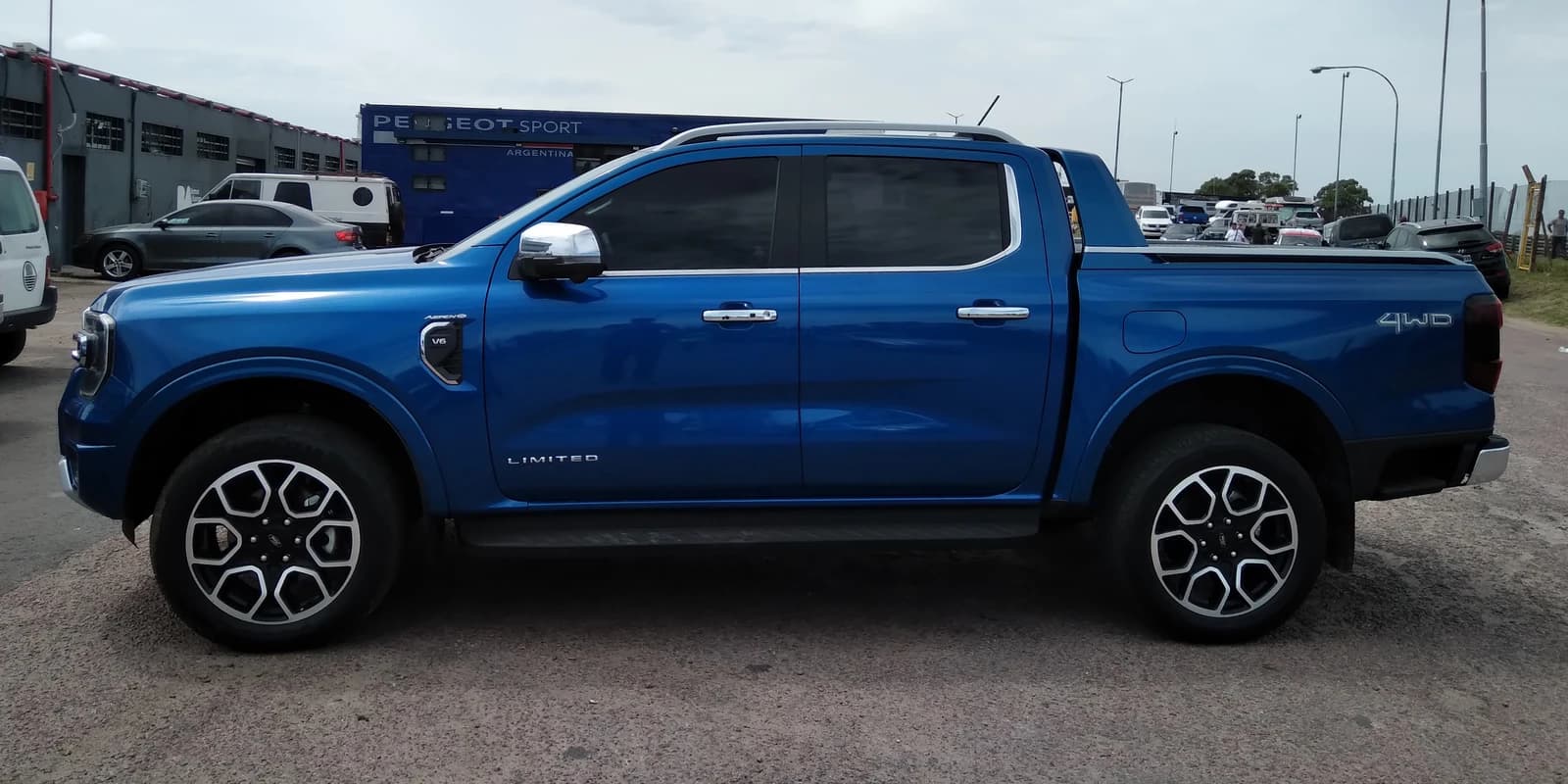
The reported engine change matters because it would push the Ranger further upmarket without waiting for a full redesign to arrive. Motor1, citing early product information, said Ford may adapt the 3.0-liter V6 used in the Ranger Raptor and tune it down for the core Ranger, much as it has done on the Bronco, where the same engine delivers 380 horsepower and 597 Nm of torque. If Ford follows that path, the truck would gain a stronger halo version that could help protect pricing and margins in a segment where full-size and mid-size pickups often compete on output as much as on utility.
Sentiment Indicators
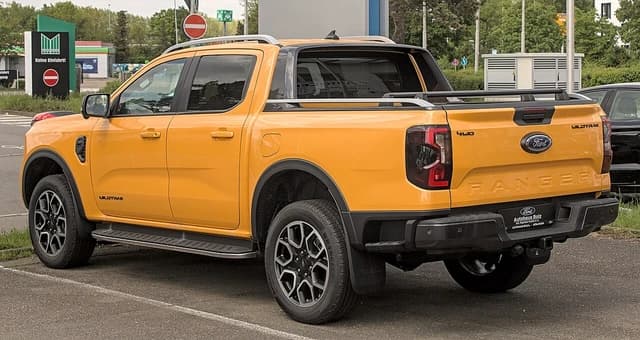
That would also fit with Ford’s broader product strategy. The company is already leaning on Ranger to do more lifting across different markets, and a higher-spec gasoline V6 would give dealers another way to steer buyers away from lower-margin, volume-only trims. The reported update would likely sit alongside a refreshed exterior, larger infotainment and comfort upgrades, plus a possible Bronze Graphics package with features such as ambient lighting, a 10-speaker B&O audio system, memory seats and new mirrors. Those additions suggest Ford is preparing the Ranger to compete less as a basic workhorse and more as a premium lifestyle pickup.
The timing is important. Ford Australia’s chief executive has said a team of roughly 1,500 engineers is working on the next-generation Ranger, underscoring how strategically central the nameplate has become. A redesign with more physical controls, a smoother cabin and potentially a new or carryover body-on-frame platform would give Ford room to stretch the truck across gasoline, diesel and possibly plug-in hybrid variants. That mix would let Ford hedge against shifting emissions rules and customer demand while keeping the Ranger relevant in both developed and emerging markets.
For investors, the story is less about a single engine than about Ford’s ability to defend profit pools in trucks, where product cadence and trim mix can matter more than unit growth alone. A V6 Ranger could support average selling prices and help offset pressure from a broader auto market that remains choppy. It may also reinforce Ford’s strategy of using high-content variants to extract more value from existing platforms rather than relying solely on all-new architectures.
The risk is that Ford may be trying to do too much with one badge. A more powerful Ranger can strengthen the line, but it also raises questions about complexity, cost and internal overlap with the Ranger Raptor and larger pickups. Until Ford confirms the market, powertrain and pricing, the key investor question is whether the 2027 Ranger becomes a better-margin global truck or simply a more expensive version of what Ford already sells.
| Entity | Gains | Losses |
|---|---|---|
| Ford | ▲Higher Ranger pricing power | ▼Added product complexity |
| Ranger buyers | ▲More power and equipment | ▼Higher sticker prices |
| Competitor pickups | ▲— | ▼Share in premium mid-size trucks |
| Ford dealers | ▲Better upsell opportunities | ▼If demand shifts to cheaper trims |