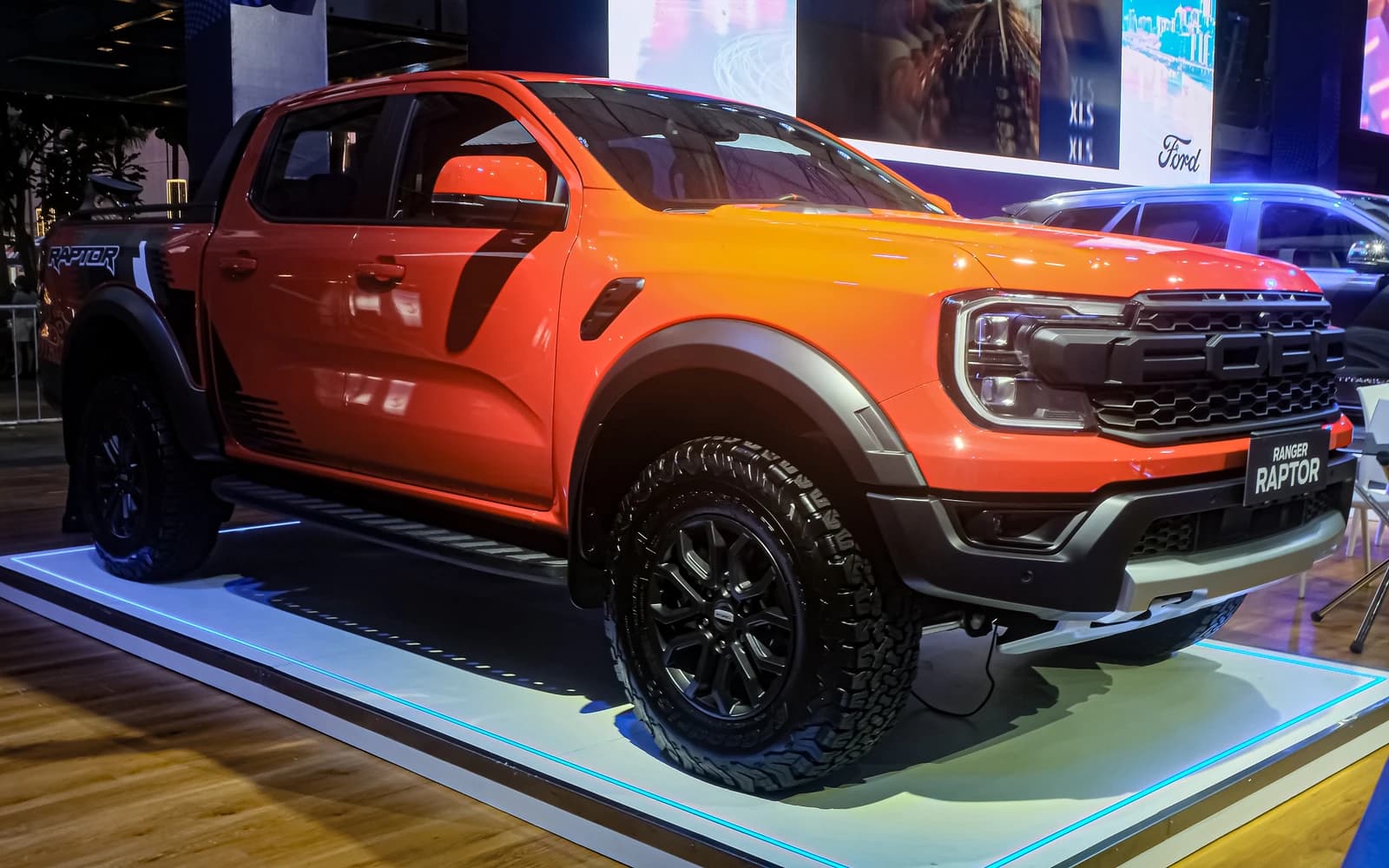
Ford has launched the Ranger Super Duty in Europe, turning its midsize pickup into a heavy-duty commercial tool aimed at fleets that need to tow, haul and convert vehicles for specialist work.
Ford Ranger Super Duty Launches in Europe
The launch matters because Ford is using one of its best-known nameplates to push deeper into a profitable niche where capability, durability and fleet-ready technology matter more than passenger car styling. In a European market still shaped by infrastructure spending, utility work, forestry and emergency services, a pickup that can carry almost 2,000 kg, tow 4,500 kg and handle an 8-ton combined load gives Ford Pro a more credible answer to buyers that would otherwise step up to larger commercial chassis-cab vehicles.
Sentiment IndicatorsⓘProprietary · adalytica.com · October 3, 2026
This is a snapshot — live sentiment, awareness and momentum for 130+ markets update continuously in the dashboard.Open AlphaPulse
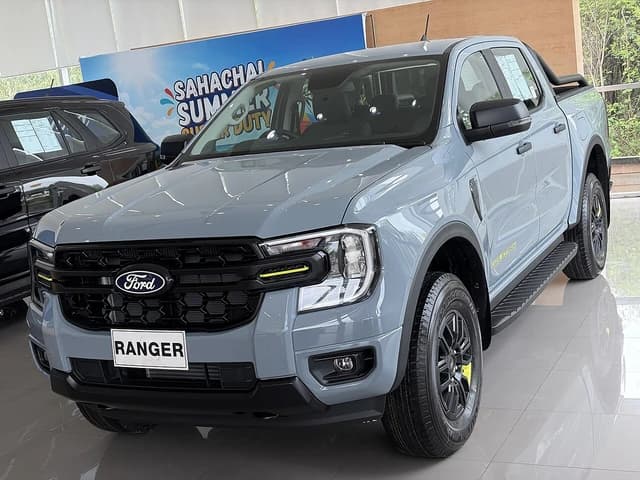
The Ranger Super Duty is built around that logic. Ford says it can carry up to 1,982 kg, traverse 850 mm of water and offers a 130-litre fuel tank, a 3.0-litre V6 turbodiesel with 600 Nm and a 10-speed automatic. More important for fleet buyers, it adds a reinforced frame, heavier-duty axles and transfer case, a front locking differential and features such as Smart Hitch and Onboard Scales, which are designed to reduce overload risk and make towing easier for operators.
Those features point to a broader commercial strategy. Ford is not just selling a tougher pickup; it is trying to make the Ranger a platform for conversion specialists serving military, forestry, mining and infrastructure customers. That could help the company lift mix and defend share in Europe’s light-commercial vehicle market, where fleet operators value uptime and payload over badge prestige. The model is available only by special order, suggesting Ford is targeting lower-volume, higher-margin use cases rather than mass-market pickup buyers.
For investors, the launch is a reminder that Ford’s commercial-vehicle arm remains one of its more durable businesses. Ford Pro has been a key profit engine as the company navigates weaker pricing in parts of the broader auto market and the capital demands of electrification and software. A more capable Ranger could support that franchise by broadening the product ladder above standard pickups and by keeping customers inside Ford’s ecosystem when specialized vehicles are converted.
The contrast with recent quality and supply-chain issues is also important. Ford has faced a recall of more than 11,000 2026 Ranger pickups over suspected counterfeit components linked to central screen failures, underscoring the operational risk in a program that is becoming more complex and more commercially important. A heavy-duty launch can strengthen the brand, but only if Ford can protect reliability and control suppliers tightly enough to keep fleet buyers confident.
The stock reaction will likely depend less on the novelty of the truck than on whether Ford can translate capability into sustained commercial demand and margin resilience. If the Ranger Super Duty wins traction with European fleets, it could deepen Ford Pro’s moat. If not, it will remain a specialist halo product in a segment where execution, not engineering, determines the payoff.
| Entity | Gains | Losses |
|---|---|---|
| Ford Pro | ▲Higher-value fleet mix | ▼Mass-market focus |
| European fleets | ▲More payload and towing capacity | ▼Lower-cost alternatives |
| Conversion specialists | ▲Better donor platform | ▼Simpler pickup builds |
| Competitors | ▲Pressure to match capability | ▼Share in specialist niches |