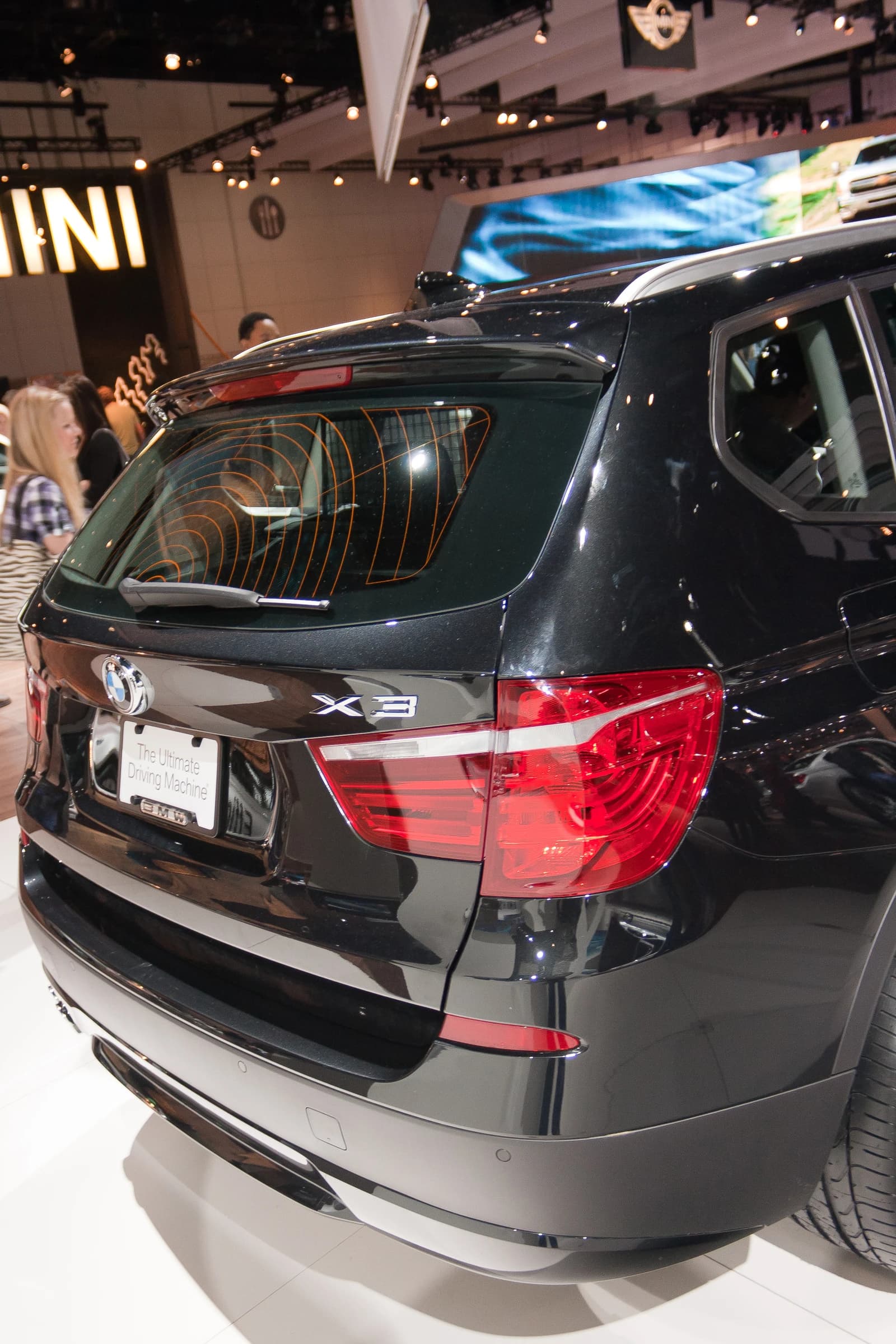
BMW has begun series production of its new electric iX3 in Shenyang, a move that matters less as a launch event than as a blueprint for how global carmakers are trying to survive in China’s bruising EV market.
BMW Starts iX3 Production in Shenyang

For investors, the significance is clear: BMW is not just adding another model, it is localizing the core of its next-generation electric lineup in the world’s biggest auto market. By 2030, the company wants more than 95% of the BMWs sold in China to be made locally, a shift that should help protect margins, shorten supply chains and reduce exposure to tariffs, logistics costs and political friction. In an industry where scale and speed increasingly determine winners, that is a serious competitive advantage.
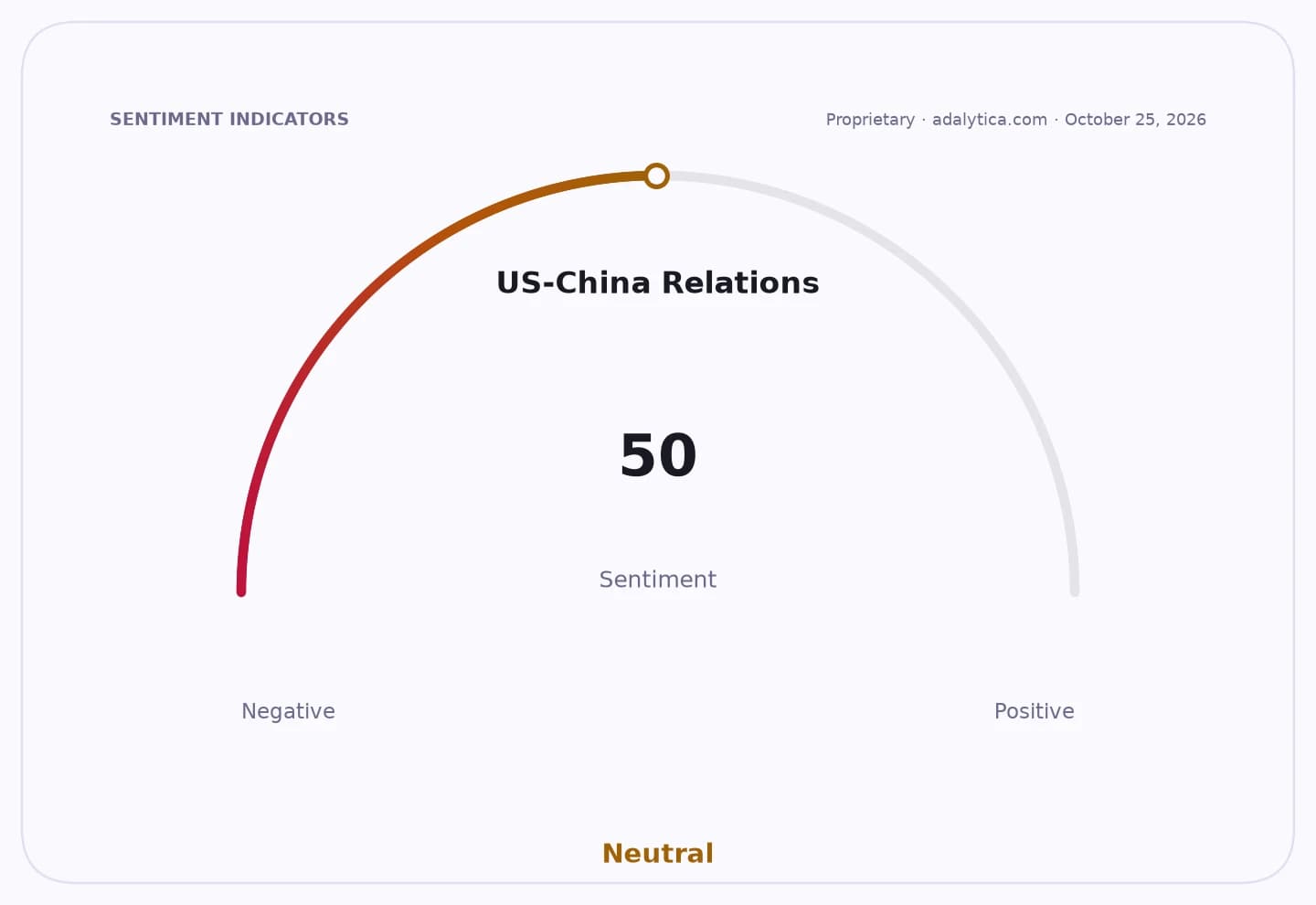
Sentiment Indicators
The Senjang plant is already BMW’s largest manufacturing base, and the company says it has invested more than 120 billion yuan there since 2010. It rolled out its 7 millionth car at the site in May, underlining how central China remains to BMW’s global production map. The iX3 is also the first Neue Klasse-based BMW to be built in China, which makes the plant a proving ground for the architecture that will underpin the company’s next wave of electric vehicles.
That matters economically because the EV business is now a manufacturing contest as much as a technology contest. Chinese buyers are demanding more features, faster product cycles and sharper pricing, while domestic brands continue to set the pace on cost and software. BMW’s plan to introduce nearly 20 new or refreshed Neue Klasse models in China by 2027 shows it understands the stakes. The company is also weighing exports of China-built vehicles, mainly to Southeast Asia, which would turn its Chinese operations from a local assembly hub into a regional export platform.
There is another detail investors should not miss: artificial intelligence is being used in quality control, with one system taking 35 images a second of parts surfaces to detect defects too small for the naked eye. That is the kind of factory-level productivity improvement that can quietly lift returns over time. In the car business, a small improvement in quality and yield can have an outsized effect on warranty costs, customer satisfaction and brand value.
BMW’s move also reinforces a broader industry shift. Western automakers can no longer assume China will simply be a sales market; they increasingly need to make vehicles there, and often for China first. Toyota is reorganizing its China supply chain, while Chinese EV makers are pushing into Europe. The competitive pressure is forcing every major automaker to rethink where it builds, who it buys from and how quickly it can adapt. That is why local production is becoming a strategic necessity, not just an operating decision.
For long-term investors, the important question is whether BMW can translate this industrial build-out into durable earnings growth. If it can use China to lower costs, keep its product pipeline fresh and preserve pricing power in premium EVs, the company could strengthen its position for years. If not, it risks being squeezed between aggressive Chinese rivals at home and expensive transition costs abroad. Either way, this is the kind of capital allocation story worth watching closely.
| Entity | Gains | Losses |
|---|---|---|
| BMW | ▲Lower costs, stronger China presence | ▼Less room for manufacturing missteps |
| Chinese BMW buyers | ▲More locally built models | ▼Less import-driven exclusivity |
| Chinese suppliers | ▲More production and orders | ▼Higher pressure on quality and speed |
| Foreign import rivals | ▲— | ▼Stronger local competition |