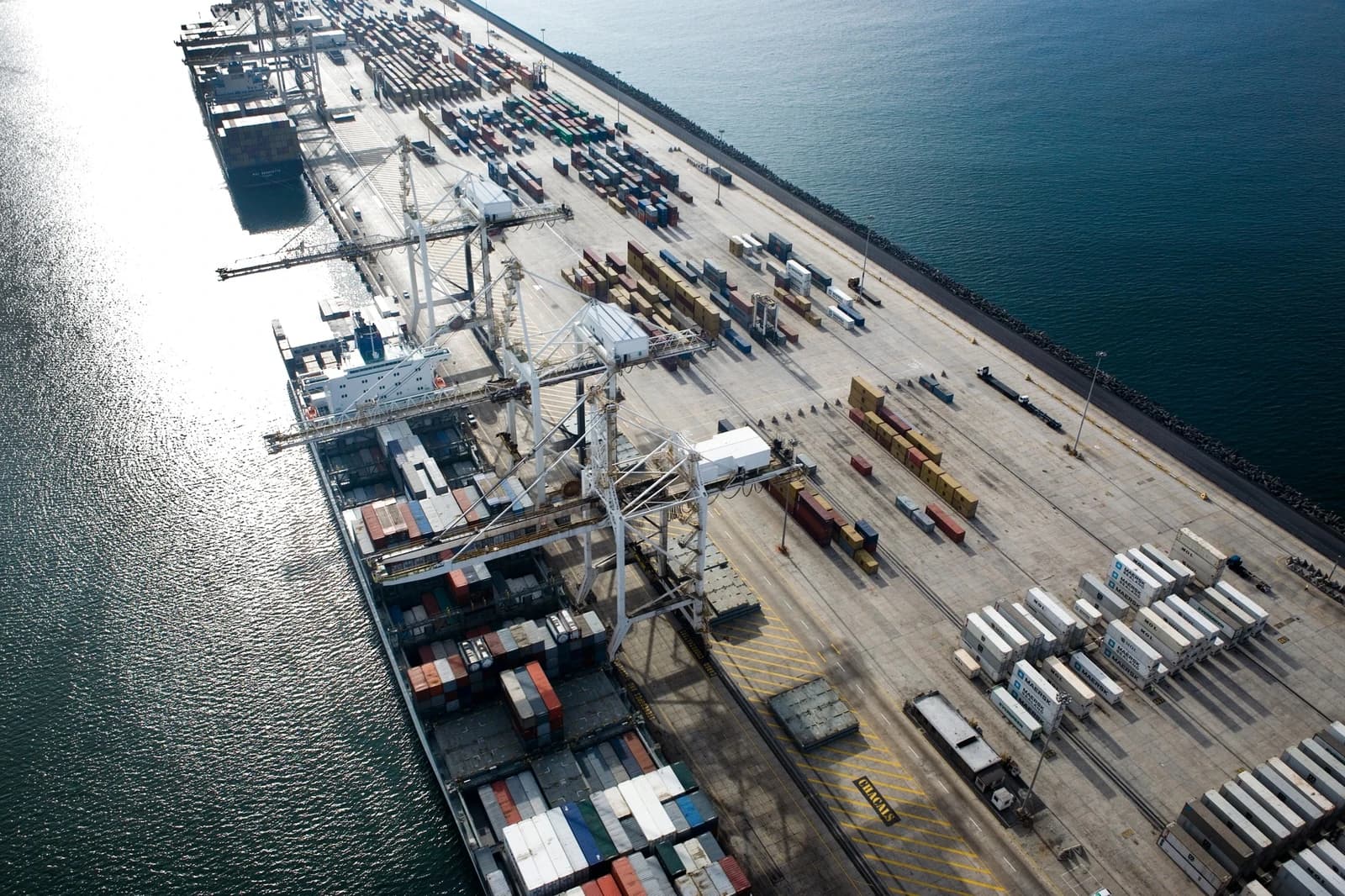
BMW is pressing for tariff relief while expanding production in South Carolina, a bid to turn more of its U.S. sales into domestic output as import costs remain a drag on margins and pricing.
BMW presses for tariff relief as South Carolina output grows

The strategy matters because the auto industry is being forced to redesign supply chains around trade policy, not just demand. For BMW, more U.S.-made vehicles can reduce exposure to import duties, improve pricing flexibility and protect profitability in its largest market outside Europe. For Washington, the company’s investment highlights how tariffs are already influencing where manufacturers build, hire and source parts.
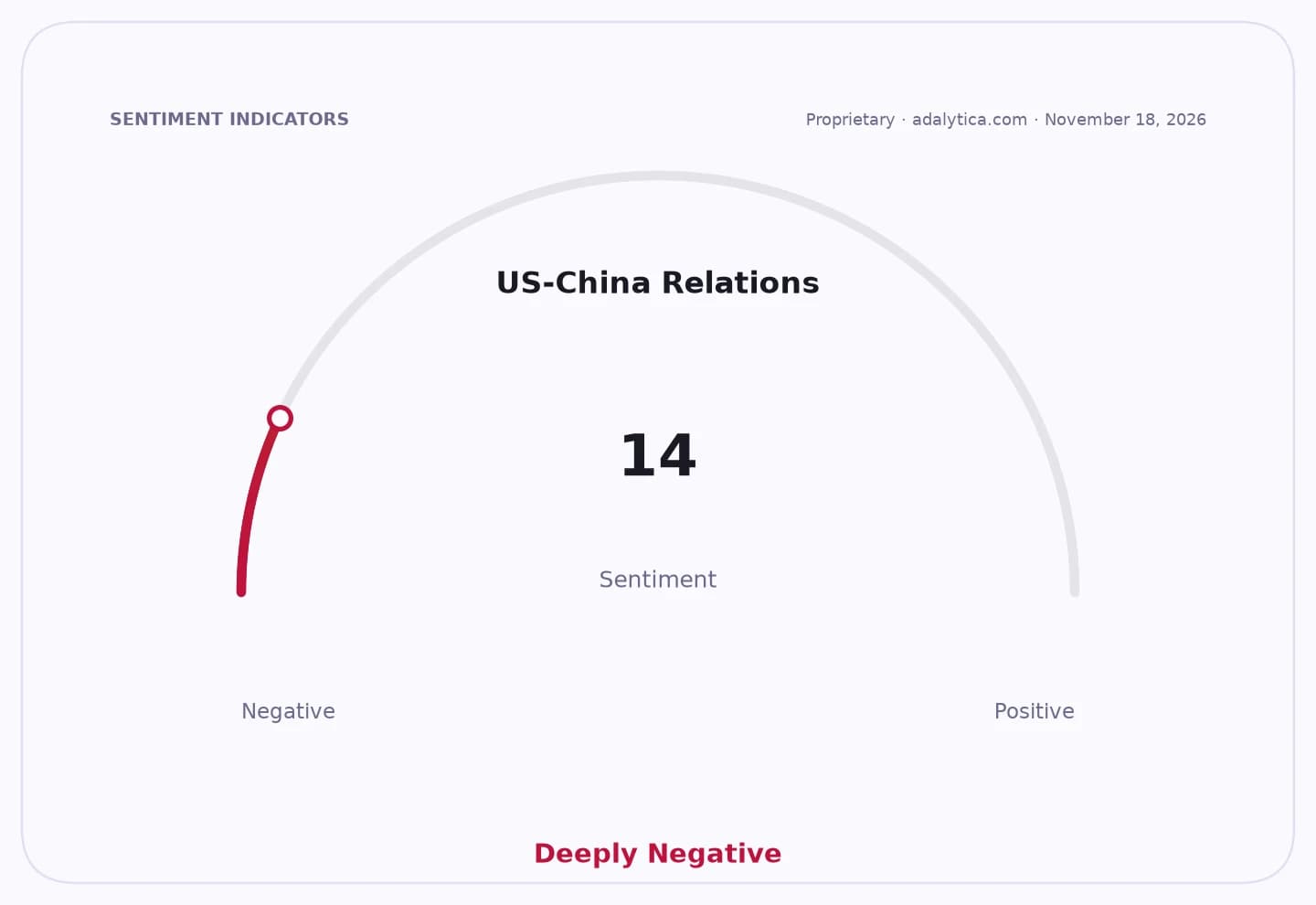
Sentiment Indicators
The push comes as U.S. industrial production and the labor market remain steady, but auto makers continue to navigate a policy backdrop in which tariffs can quickly reshape costs. The broader sector has already warned that trade and fiscal policy changes can hit production, cost structure and the competitive landscape. BMW’s case is that additional South Carolina output should count toward relief, effectively rewarding local manufacturing while keeping U.S. plants more central to future sales growth.
That argument also reflects a wider competitive shift. Carmakers with more North American capacity are better positioned to absorb tariff shocks, hold incentives in check and defend market share against rivals still relying heavily on imports. Tesla’s recent price action shows how sensitive the sector remains to margin expectations and policy headlines, while peers including Ford and General Motors have highlighted tariff reimbursements and trade-related costs in recent filings.
For investors, the key issue is whether tariff relief can offset the capital intensity of building up U.S. production. A favorable ruling would improve BMW’s earnings resilience and could support margins if the company can pair local assembly with premium pricing. A less generous policy outcome would leave the company absorbing more trade-related cost or passing it through to buyers in a market that remains price competitive.
The near-term focus will be on how much of BMW’s U.S. volume can be localized and whether policymakers reward that shift. If South Carolina expansion translates into lower tariff exposure, the company could gain a structural edge in a market where localization is becoming as important as brand strength.
| Entity | Gains | Losses |
|---|---|---|
| BMW | ▲Lower tariff exposure | ▼Higher import-cost burden |
| U.S. plant in South Carolina | ▲More production and investment | ▼Less dependence on imports |
| U.S. policymakers | ▲More domestic manufacturing | ▼Pressure to grant relief |
| Foreign import-heavy rivals | ▲None | ▼Weaker cost position |