Swiss exporters are staring at a far more consequential risk than politics: a 39% U.S. tariff that could hit a broad swath of the country’s shipments if Washington keeps pressing ahead, turning Switzerland’s trademark trade surplus into a target for retaliation and margin pressure.
Swiss exporters face 39% U.S. tariff risk
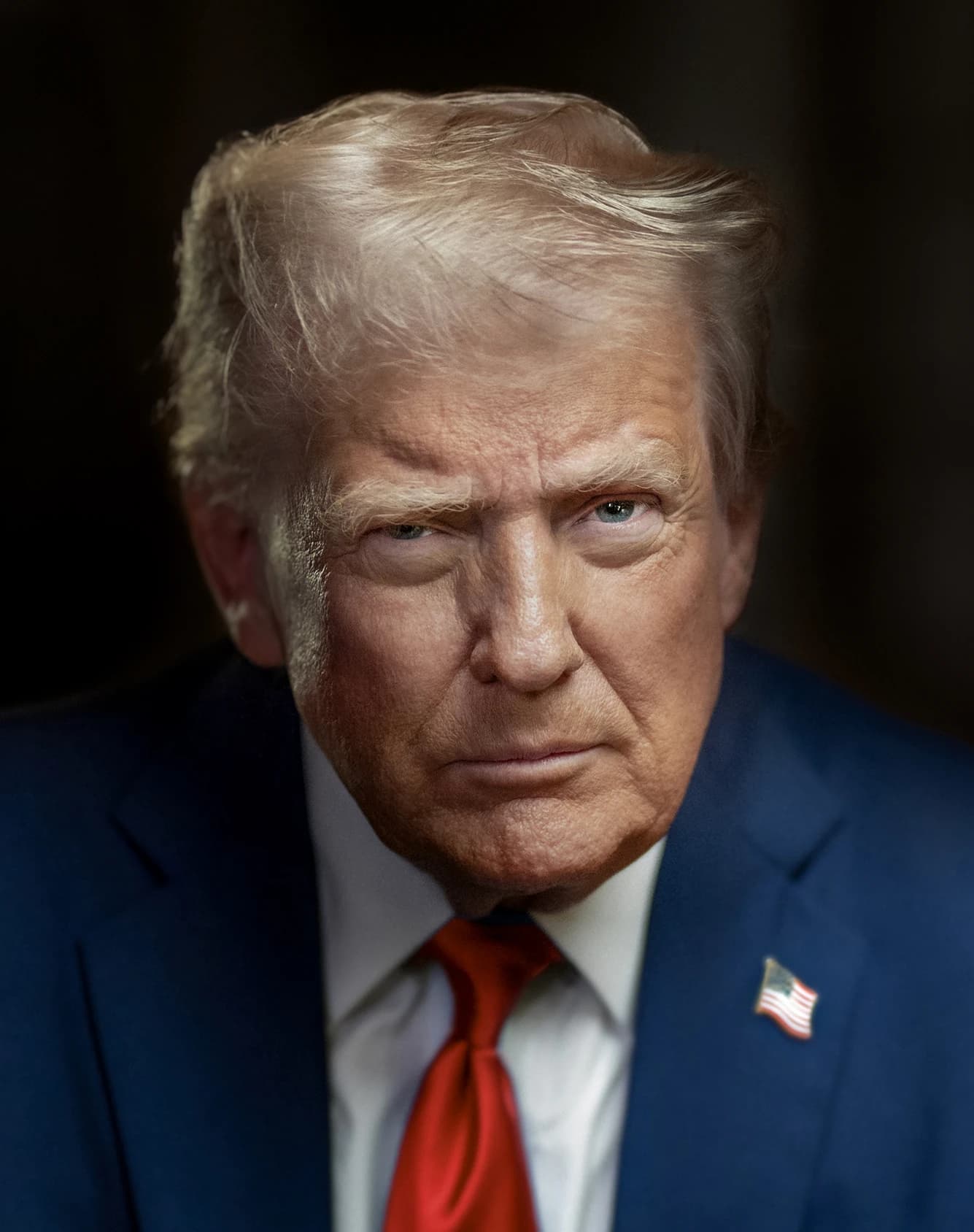
That is why the latest political warm words around Donald Trump matter. For Swiss business leaders and the export-heavy sectors that drive the economy, anything that improves the odds of a tariff rollback would be a direct financial relief. The issue is not abstract diplomacy — it is whether watchmakers, machinery makers, precision industrial firms and other high-value exporters can keep access to their most important foreign market without absorbing a punishing price shock.
The market should treat this as a cross-asset story, not a bilateral headline. Switzerland is deeply exposed to U.S. demand, and the country’s role as a premium exporter means it has less room than lower-cost manufacturing hubs to simply pass on higher duties. If the tariff sticks, the immediate winners are likely to be domestic U.S. competitors and any producers with tariff-exempt supply chains. The losers are Swiss exporters, their earnings multiples, and eventually the broader Swiss growth outlook if volumes slow and pricing power erodes.
Investors should also understand the second-order effects. A tariff of this size can force companies to reroute supply chains, delay capex, or shift more production outside Switzerland to preserve market share. That is exactly the kind of policy shock that tends to reward diversified multinationals and punish concentrated exporters. For Swiss equities, the best defenses may be businesses with strong domestic exposure, hard-to-replicate niches, or pricing power that can survive a sustained hit to U.S. sales.
The macro backdrop makes the stakes even higher. Trade friction is arriving just as global growth remains fragile and markets are quick to reprice any sign of policy escalation. In that environment, a Swiss political tilt toward Trump is less about ideology than survival — an effort to lower the odds that one of Europe’s most export-dependent economies gets squeezed by a tariff wall it can ill afford.
The actionable takeaway: if Washington keeps the tariff threat alive, investors should favor Swiss companies with limited U.S. sensitivity and look for beneficiaries of supply-chain relocation, while treating pure exporters as a higher-risk trade until the policy picture clears.
| Entity | Gains | Losses |
|---|---|---|
| Swiss exporters | ▲Tariff relief if talks improve | ▼Margin pressure from 39% duty |
| U.S. domestic competitors | ▲Better relative pricing | ▼Less pressure from Swiss imports |
| Swiss economy | ▲Lower trade shock if tariff eased | ▼Slower exports and capex if tariff persists |
| Swiss exporters with U.S. supply chains | ▲Potential workaround to duties | ▼Disruption and relocation costs |