South Africa is trying to lock in a longer-term trade arrangement with China after a temporary zero-tariff scheme boosted exports but left the country with a still-wide R19.8 billion deficit in 2025.
South Africa seeks longer China trade deal
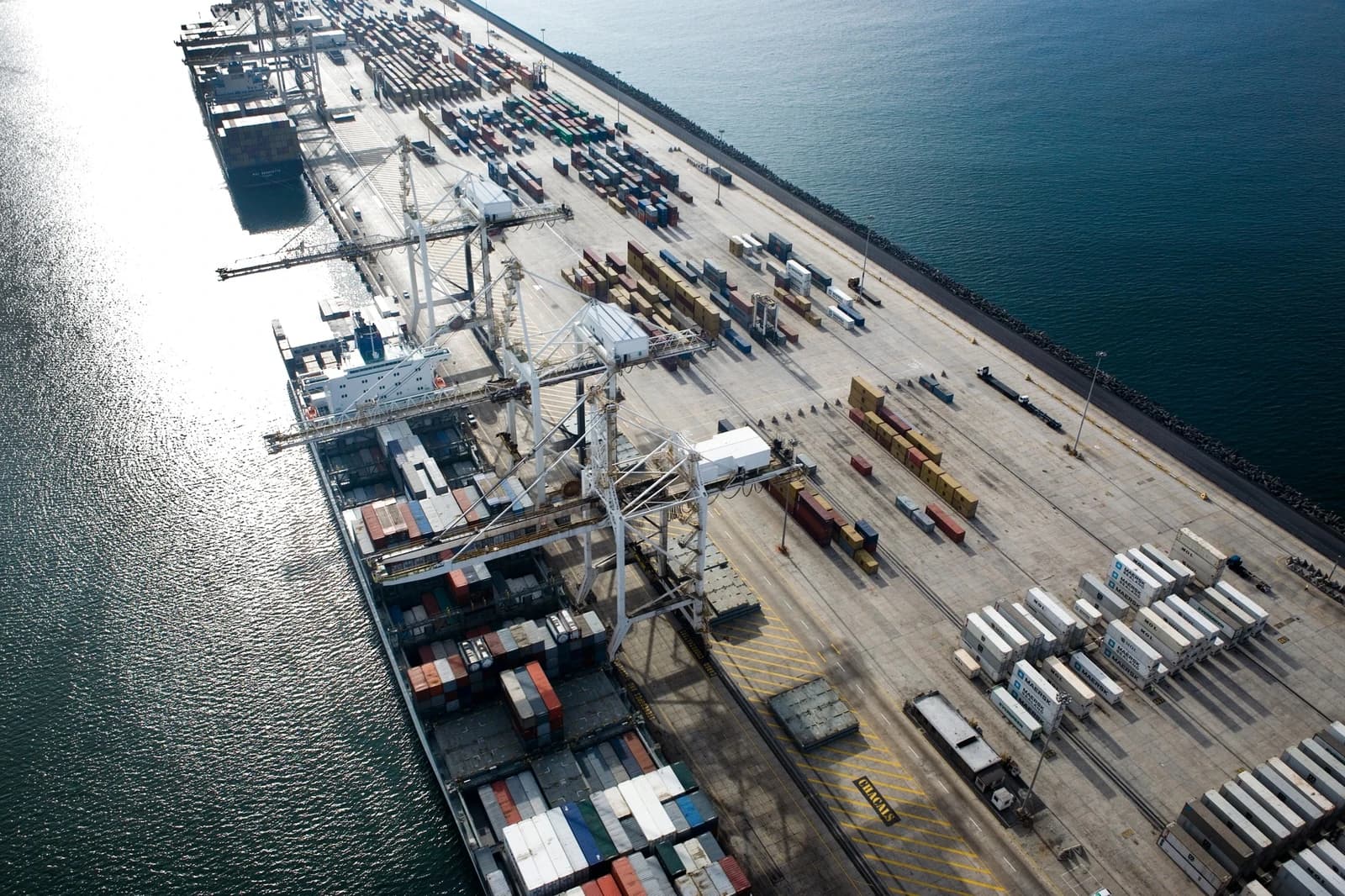
The negotiations matter because they sit at the intersection of industrial policy, trade access and South Africa’s effort to move beyond a commodity-heavy export profile. Beijing remains one of Pretoria’s biggest trading partners, but the relationship has been structurally imbalanced: South Africa shipped R22.23 billion of goods to China last year and imported R42.07 billion, according to the trade department.
Sentiment Indicators
Officials are now seeking what they call an “early harvest agreement” that would preserve tariff-free access on selected goods while shielding sensitive sectors at home. That balance is central for an economy that wants export growth without opening domestic manufacturing and agriculture to a flood of cheaper Chinese imports.
The first signs are encouraging. Exports to China rose 24% year on year between May and August after the tariff concession took effect on May 1, the department said. The gains were not limited to minerals, which have long dominated the relationship. Vehicle exports jumped 104% from a low base, chemicals rose 63%, and mechanical and electrical power products increased 36%.
Agricultural shipments also improved, with exports up more than 35% over the same period, while non-mineral exports rose 21%. That suggests the tariff window is doing more than simply lifting raw materials volumes; it is giving South African exporters a route into higher-value categories that policymakers have been trying to cultivate for years.
For investors, the key question is whether this is a one-off boost or the start of a more durable shift in trade composition. A successful deal could support exporters in autos, chemicals and agriculture, ease pressure on South Africa’s current account and improve the country’s ability to earn foreign exchange. It could also deepen industrial links with China at a time when global trade is being reshaped by tariff barriers and regional bloc politics.
The risk is that better access comes with competitive pressure on sensitive local industries if negotiations go too far. South African officials have been clear they do not want to liberalize sectors that could be vulnerable to Chinese competition, which makes the talks as much about defensive trade policy as export expansion.
The first round of negotiations was held in Beijing from Oct. 19 to 21, and another round is planned next year. If the talks produce a narrower, sector-specific arrangement, South Africa could convert the temporary tariff concession into a more durable export channel. If they stall, the recent export gains may fade once the two-year window closes.
| Entity | Gains | Losses |
|---|---|---|
| South African exporters | ▲Better China access | ▼Exposure to tariff expiry |
| Chinese consumers/importers | ▲More supply choices | ▼Less protection from South African tariffs |
| South African sensitive industries | ▲Protected by carve-outs | ▼Miss out on broader market opening |
| South Africa overall trade balance | ▲Potential export uplift | ▼Continued deficit pressure |