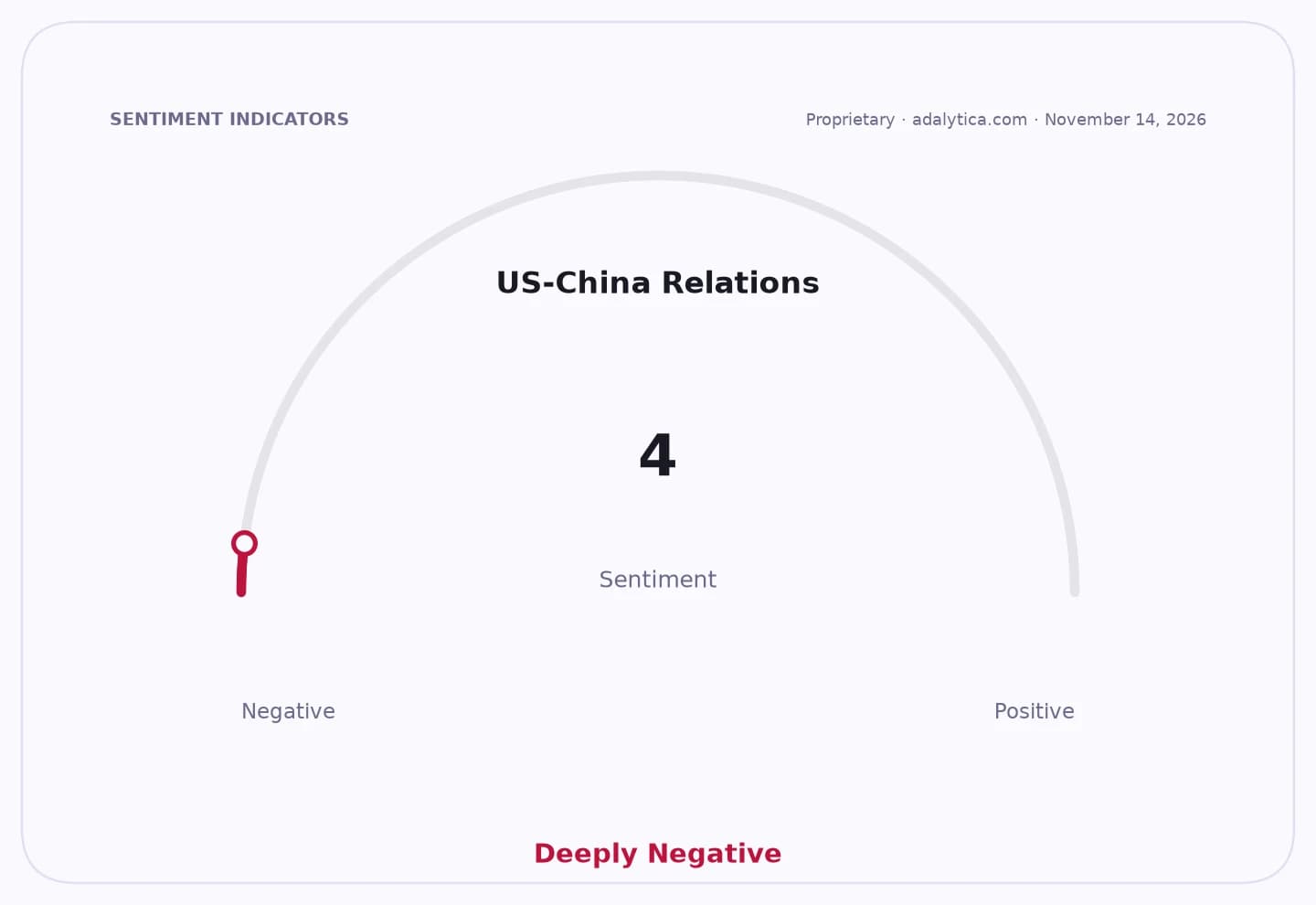
China extended its suspension of new rare earth export controls for two months, a move that lowers the risk of an immediate supply shock in a sector critical to electric vehicles, defense systems and advanced electronics while keeping pressure on Washington as the two sides negotiate a broader trade deal.
China extends rare earth export control pause

The Ministry of Commerce said Monday the pause, first put in place after Xi Jinping and Donald Trump met in South Korea last November, will now run until Jan. 10. The extension also covers a wider set of trade countermeasures and tariffs, suggesting Beijing is still using its industrial leverage as bargaining power rather than as a tool of open confrontation.
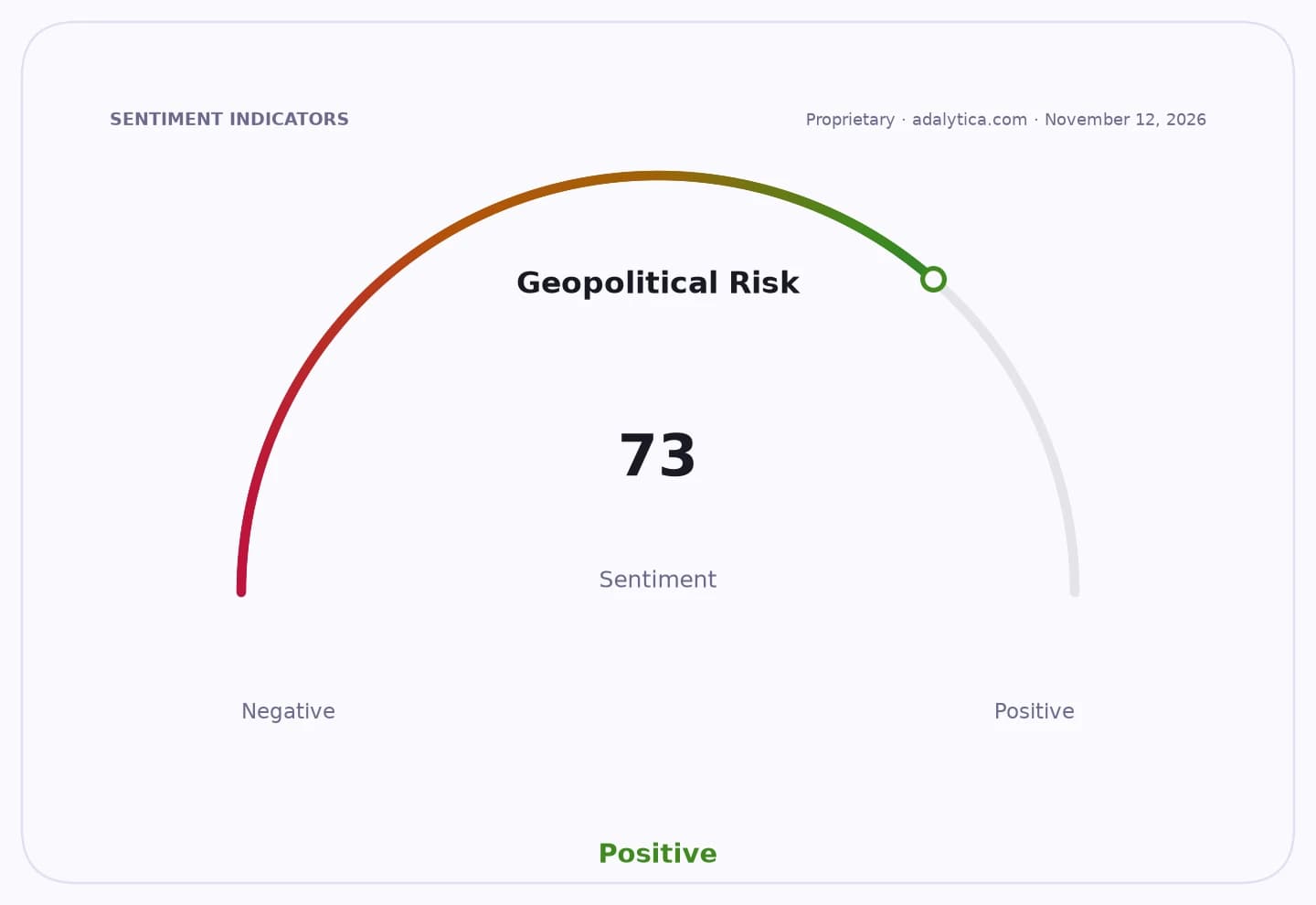
Sentiment Indicators
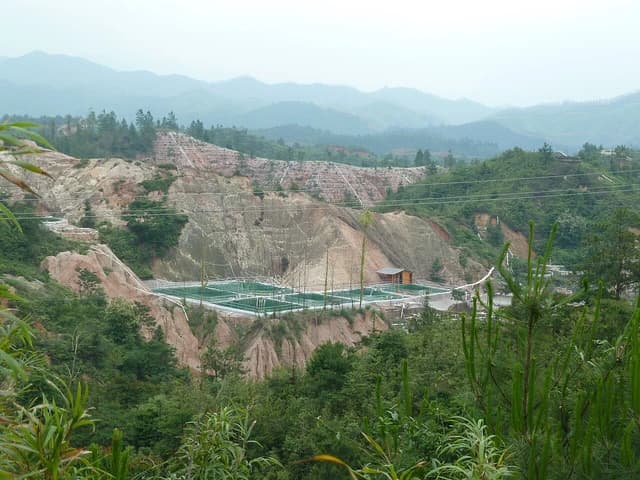
That matters because rare earths sit near the center of the global manufacturing stack. China introduced controls on certain rare earths in April and broadened them sharply in October, adding restrictions on industrial diamonds and lithium battery technology. Even a temporary tightening can disrupt supply chains, raise procurement costs and force companies to rework sourcing plans. A continued pause reduces near-term stress for manufacturers but does not remove the policy risk.
For investors, the key issue is not whether the market gets relief for another two months, but whether Beijing is normalizing the use of export controls as a recurring negotiating weapon. That keeps a premium on non-Chinese supply chains and on companies with exposure to critical minerals processing, magnet production and downstream industrial inputs. It also leaves sectors reliant on Chinese-origin materials vulnerable to a fresh policy turn if talks stall.
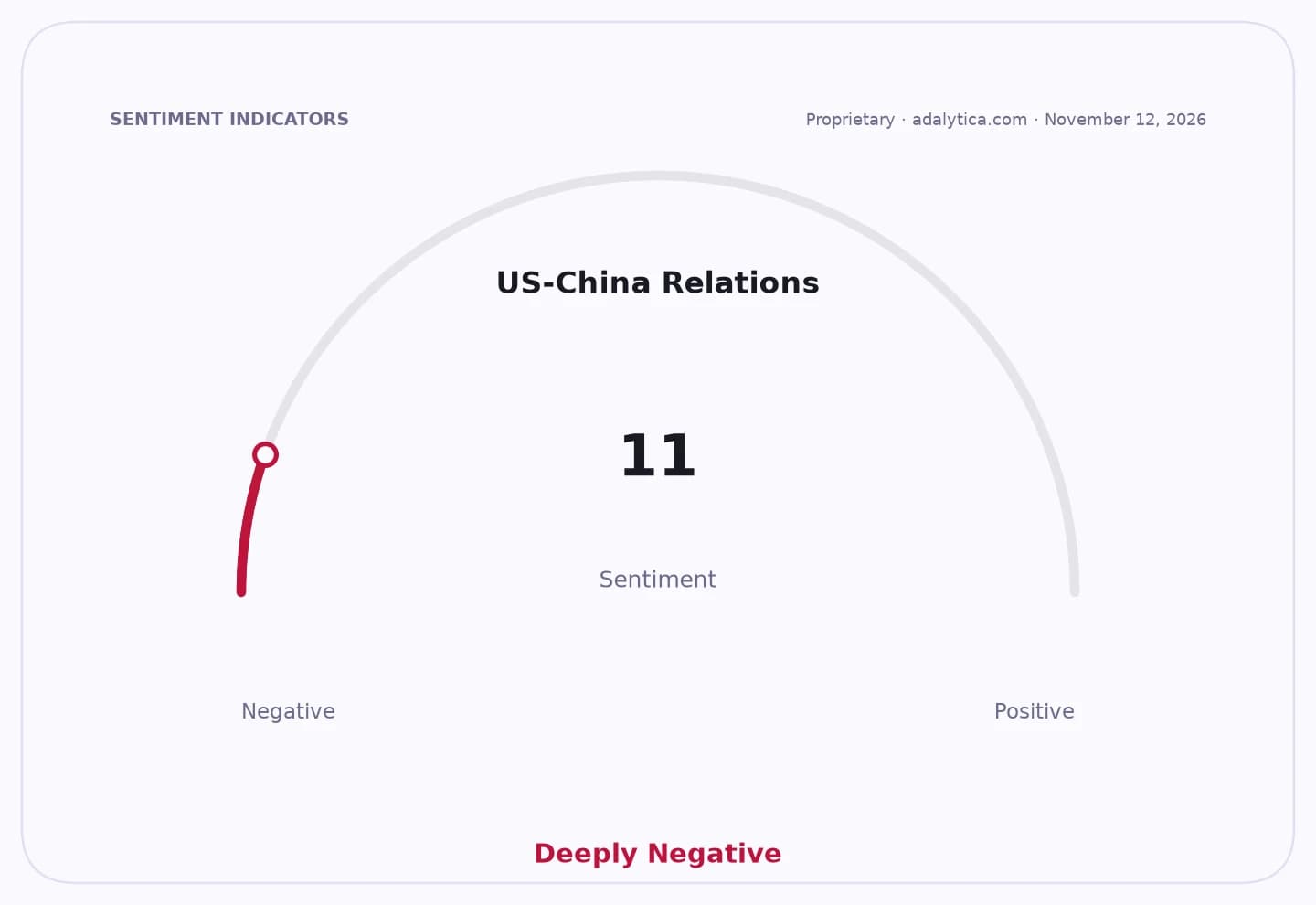
US-China Relations
The announcement comes as Trump prepares to travel to Shenzhen later this month for an APEC summit, where he is expected to meet Xi. The timing reinforces the view that both sides are buying space for diplomacy while avoiding moves that could roil markets before the next round of talks.
Rare earth producers and refiners outside China could benefit if customers continue diversifying away from Chinese supply. But automakers, chipmakers, defense contractors and battery manufacturers remain exposed to any future reimposition of controls, making policy headlines a direct driver of pricing, inventory strategy and procurement decisions over the next few months.
| Entity | Gains | Losses |
|---|---|---|
| Rare earth users outside China | ▲Near-term supply relief | ▼Less urgency to hedge |
| Chinese policymakers | ▲Leverage in trade talks | ▼Less immediate coercive power |
| Non-Chinese miners/refiners | ▲Diversification demand | ▼Still dependent on policy risk |
| Manufacturers using rare earth inputs | ▲Short-term cost stability | ▼Ongoing uncertainty |