President Donald Trump’s trade adviser Peter Navarro has escalated the fight over Canada’s China strategy, warning Prime Minister Mark Carney that Ottawa would be “offensive in the extreme” if it tries to use China against the U.S. in auto trade talks.
Canada Auto Tariff Fight With U.S. Over China
The clash matters because it puts Canada’s auto sector, one of North America’s most tightly integrated manufacturing chains, squarely in the middle of a widening tariff war that could reshape investment, supply chains and vehicle pricing across the region. It also highlights how Carney’s effort to diversify trade ties with China is colliding with Washington’s push to bring production back into the U.S.
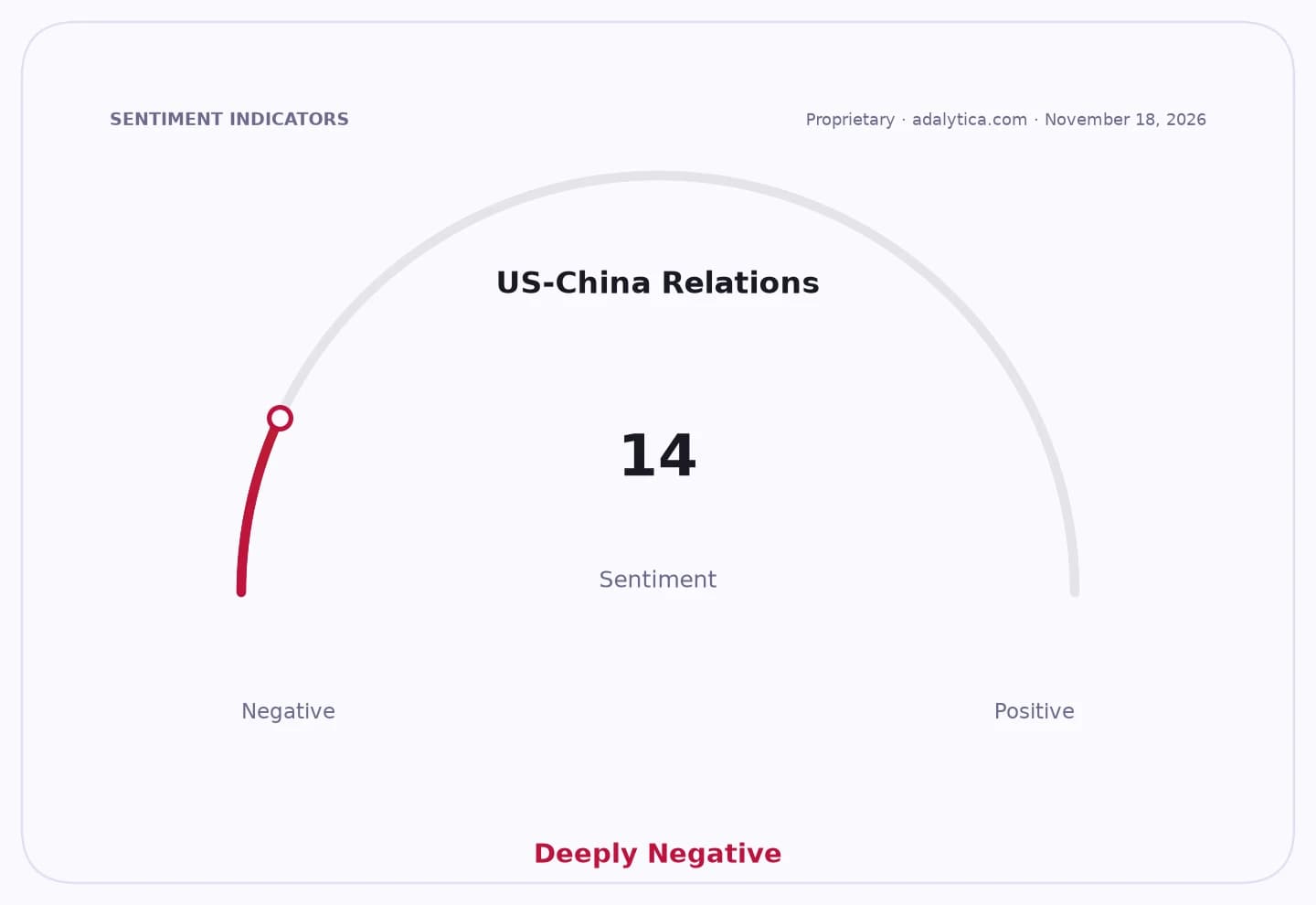
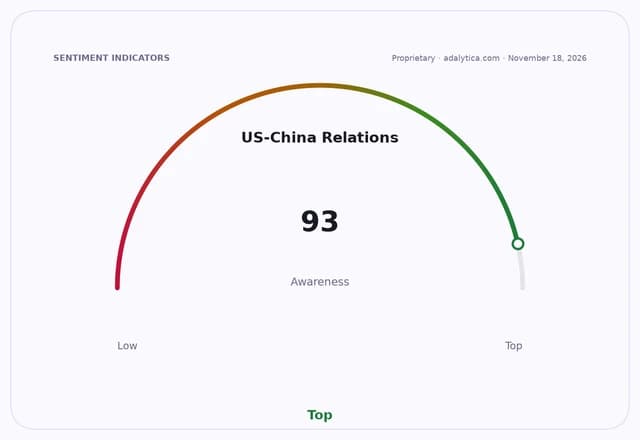
Sentiment Indicators
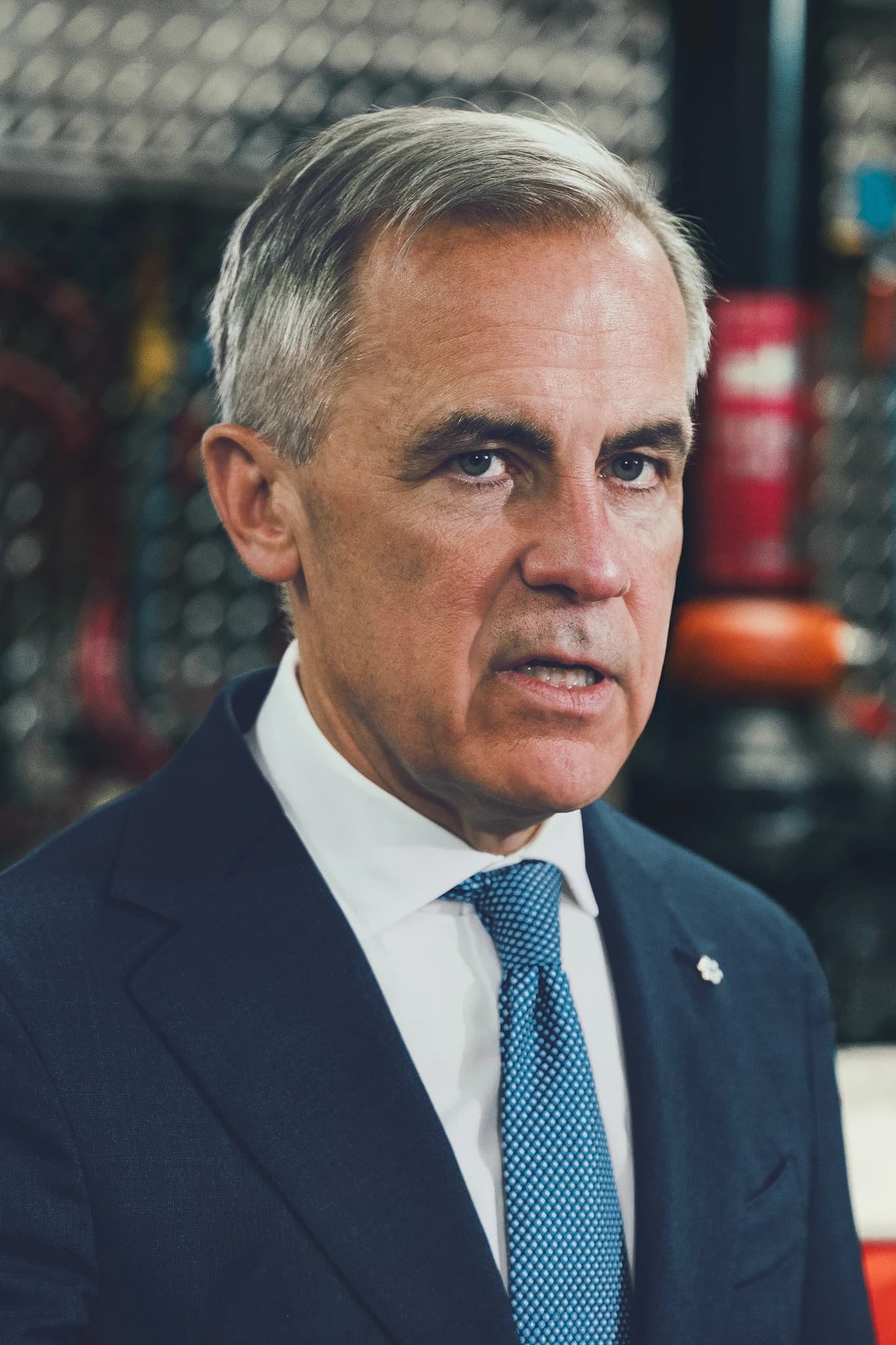
Carney, speaking in Cambodia, said Canada wants its “best autoworkers” fully deployed in an integrated North American market, but added that the market has become “less integrated” because of U.S. trade actions. Navarro’s response, posted as a “memo” on social media, came after Carney suggested Canada could pursue greater Chinese involvement in the domestic auto industry.
The dispute is not just rhetorical. Trump has already imposed 25% tariffs on auto imports from Canada, with carveouts for USMCA-compliant content, while Canada retaliated with 25% fees of its own. Trump has also threatened to lift tariffs on Canadian-made vehicles and parts to 50% on Jan. 1, 2027, a move that would further disrupt a cross-border industry that has long relied on frictionless parts flows.
For investors, the risk is that tariff uncertainty keeps capital spending on hold and pressures margins for automakers, suppliers and transport names exposed to Canada-U.S. production. Stellantis has already shifted plans for its Brampton, Ontario plant, halting retooling work and later moving the Jeep Compass EV line to Illinois as part of a US$13 billion push to expand U.S. output by 50%.
Canada’s outreach to China is adding another layer of risk. Ottawa earlier this year agreed to let up to 49,000 Chinese EVs into Canada annually at a 6.1% tariff, while Beijing removed duties on some Canadian farm and seafood products. Canadian exports to China have since surged 40% in the first nine months of 2026 to C$33.5 billion, while imports from China also climbed to C$68.8 billion.
The data point to a Canada that is trying to hedge between two economic giants, even as Washington demands tighter alignment. That balancing act may provide leverage in negotiations, but it also raises the odds of retaliation from the U.S. and further stress for automakers already navigating tariffs, plant relocations and shifting supply chains.
| Entity | Gains | Losses |
|---|---|---|
| Canada exporters to China | ▲Higher sales volumes | ▼Greater U.S. pressure |
| U.S. automakers | ▲More reshored production | ▼Cross-border supply costs |
| Canadian autoworkers | ▲Possible new investment | ▼Plant uncertainty |
| Stellantis | ▲U.S. expansion runway | ▼Brampton retooling delay |