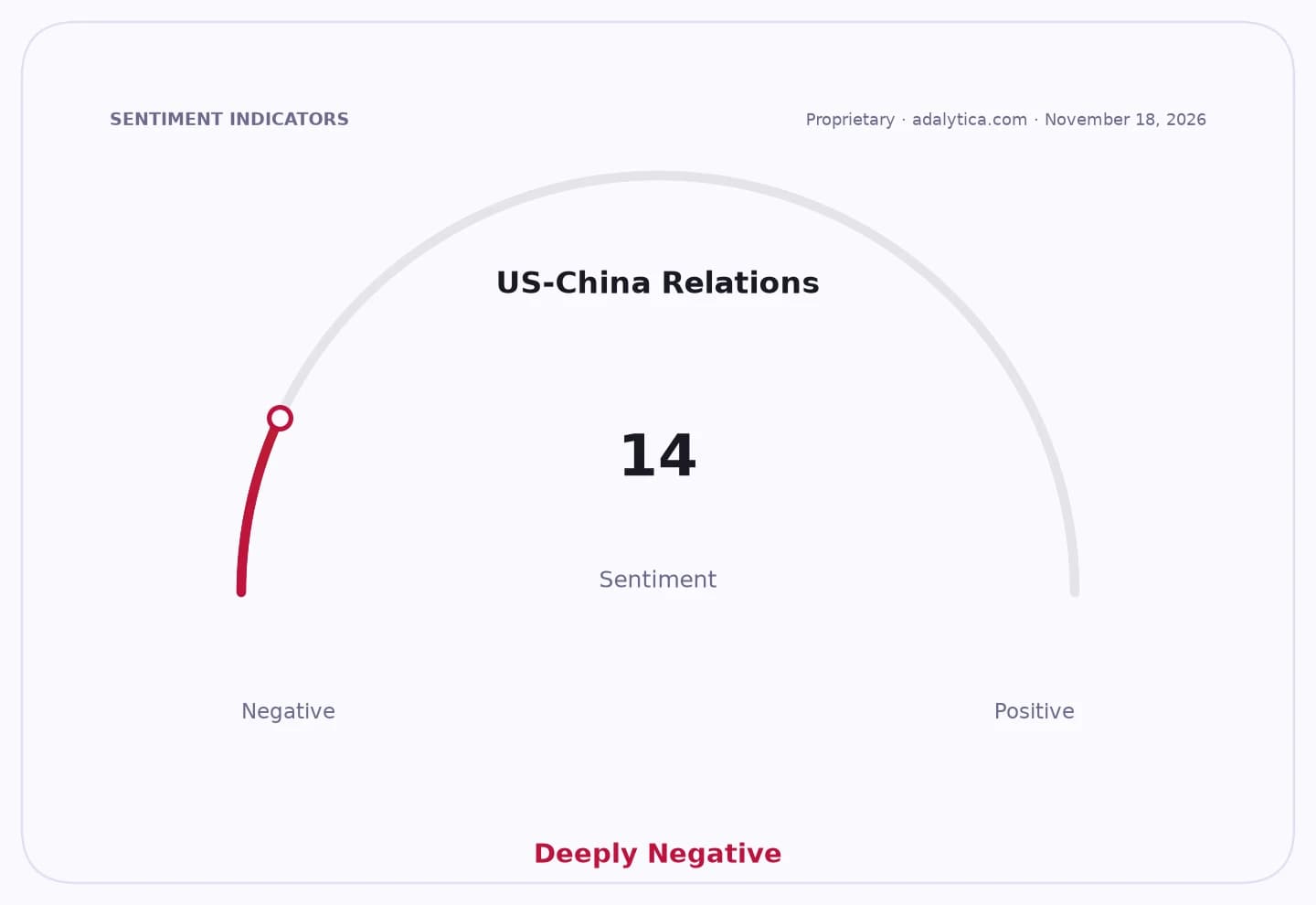
Canada’s relationship with China is stabilizing at a moment when Ottawa is trying to cut its dependence on the United States, and that makes Mark Carney’s meeting with Xi Jinping more than a diplomatic reset. The talks signal a pragmatic effort to widen export markets, secure commodity demand and create more room for Canadian businesses as trade with Washington remains uncertain.
Canada-China Trade Ties Improve Under Carney
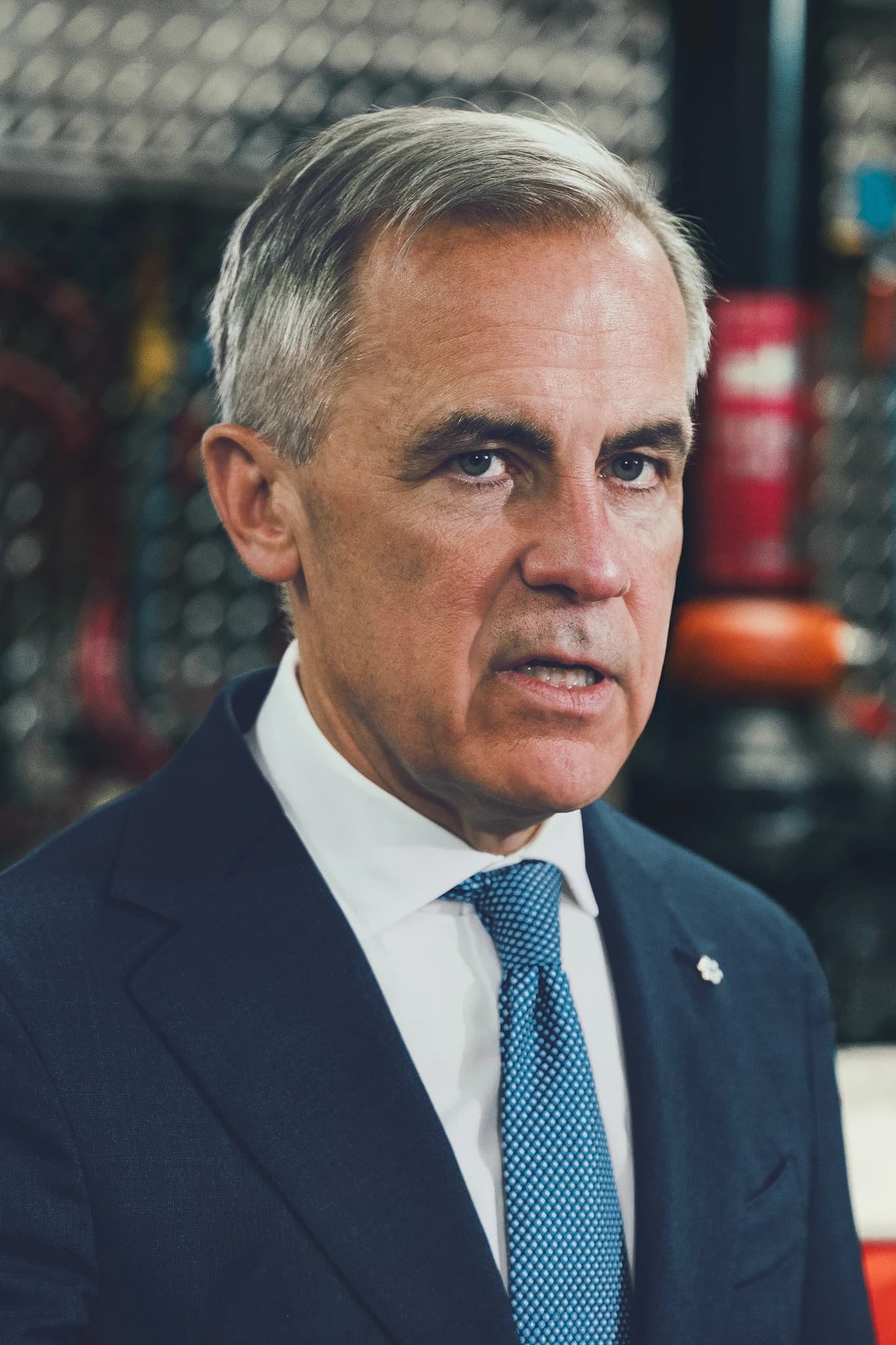
Carney said bilateral exchanges have risen sharply and that Canada is already ahead of schedule on a goal to lift exports to China by 50% by the end of the decade. That target matters because it sits at the center of a broader diversification strategy: Canada’s economy is heavily exposed to the U.S., and weaker access there would leave exporters, farmers and energy producers vulnerable. A more predictable relationship with Beijing offers at least partial insurance.
Sentiment Indicators
The meeting, held in Shenzhen ahead of the APEC summit, was Carney’s third with Xi since he became prime minister. Xi said cooperation had “fully resumed” since both sides agreed in January to advance the strategic partnership, a sign that both governments see value in keeping commercial channels open even amid security and rights concerns. For Beijing, better ties with Canada help reinforce links with a commodity-rich G7 economy; for Ottawa, they create an additional outlet for exports at a time when Canada is looking to broaden its trade base.
The economic stakes are already visible. China has lowered tariffs on Canadian canola seed and extended tariff relief on canola meal, lobsters, crabs and peas for two more years. Canadian crude shipments to China have also risen about 37% in 2026, according to a Reuters calculation based on LSEG data. Those are not small concessions: they support rural incomes, resource revenues and export earnings, while giving Canadian producers a second market if U.S. demand or access deteriorates.
There are also signs of a more practical commercial opening beyond commodities. Chinese automakers BYD, Geely and Chery have moved to enter the Canadian market after Ottawa approved annual imports of 49,000 cars at a 6.1% tariff rate, with the quota rising to 70,000 over five years. That could mean more choice and lower prices for consumers, but it also raises pressure on domestic and North American automakers already navigating U.S. tariff risk and an increasingly fragmented trade environment.
Investors will read the thaw as both an opportunity and a hedge. For agricultural exporters, energy producers and transport firms, deeper China ties could support volumes and pricing. For auto and industrial investors, however, a more open channel to Chinese manufacturers could intensify competition and complicate supply-chain planning. The upside case is a broader, more resilient Canadian trade mix; the bear case is that closer engagement with China creates new political and security flashpoints just as Ottawa is trying to reduce its reliance on one dominant partner.
That tension is likely to define the next phase. Canada can benefit economically from a more stable China relationship, but the durability of that reset will depend on whether Ottawa can balance commercial gains with domestic concerns over security, values and foreign interference. The headline risk is lower friction; the investment question is whether that calm can hold long enough to translate into lasting trade flows.
| Entity | Gains | Losses |
|---|---|---|
| Canada exporters | ▲More market access | ▼U.S. concentration risk eases slowly |
| Chinese automakers | ▲Entry into Canada | ▼North American incumbents face competition |
| Canadian farmers and miners | ▲Stronger China demand | ▼Exposure to Beijing policy swings |
| U.S.-focused trade strategy | ▲Less dependence on one market | ▼Washington’s leverage over Ottawa shrinks |