Canada’s 2026 budget is really a wager that more private capital, bigger infrastructure spending and a tougher push into energy, critical minerals and new export markets can make the economy less vulnerable to Washington’s trade policy.
Canada 2026 budget backs infrastructure and private capital

That matters because the government is not just trying to cushion households from a weak global backdrop. It is trying to reset the country’s growth model. Ottawa said it wants to balance operating spending with revenues by 2027-28, a year earlier than previously planned, while keeping the deficit-to-GDP ratio on a downward path. For investors, that is the key signal: Canada wants to spend enough to lift productivity and capacity without losing the fiscal credibility that helps keep borrowing costs contained.
Sentiment Indicators
The budget lands at a time when Canada can point to genuine strengths. Officials said the economy grew 3.3% in the second quarter, the fastest in the G7, while private-sector job creation added 214,000 positions over the past year and unemployment fell to 6.5%, near a two-year low. Foreign direct investment hit C$98 billion in 2025, the highest in nearly two decades, and non-U.S. exports rose by C$33 billion last year, with another C$57 billion increase expected in 2026. That is a powerful mix for a country that has spent too long depending on one giant customer to the south.
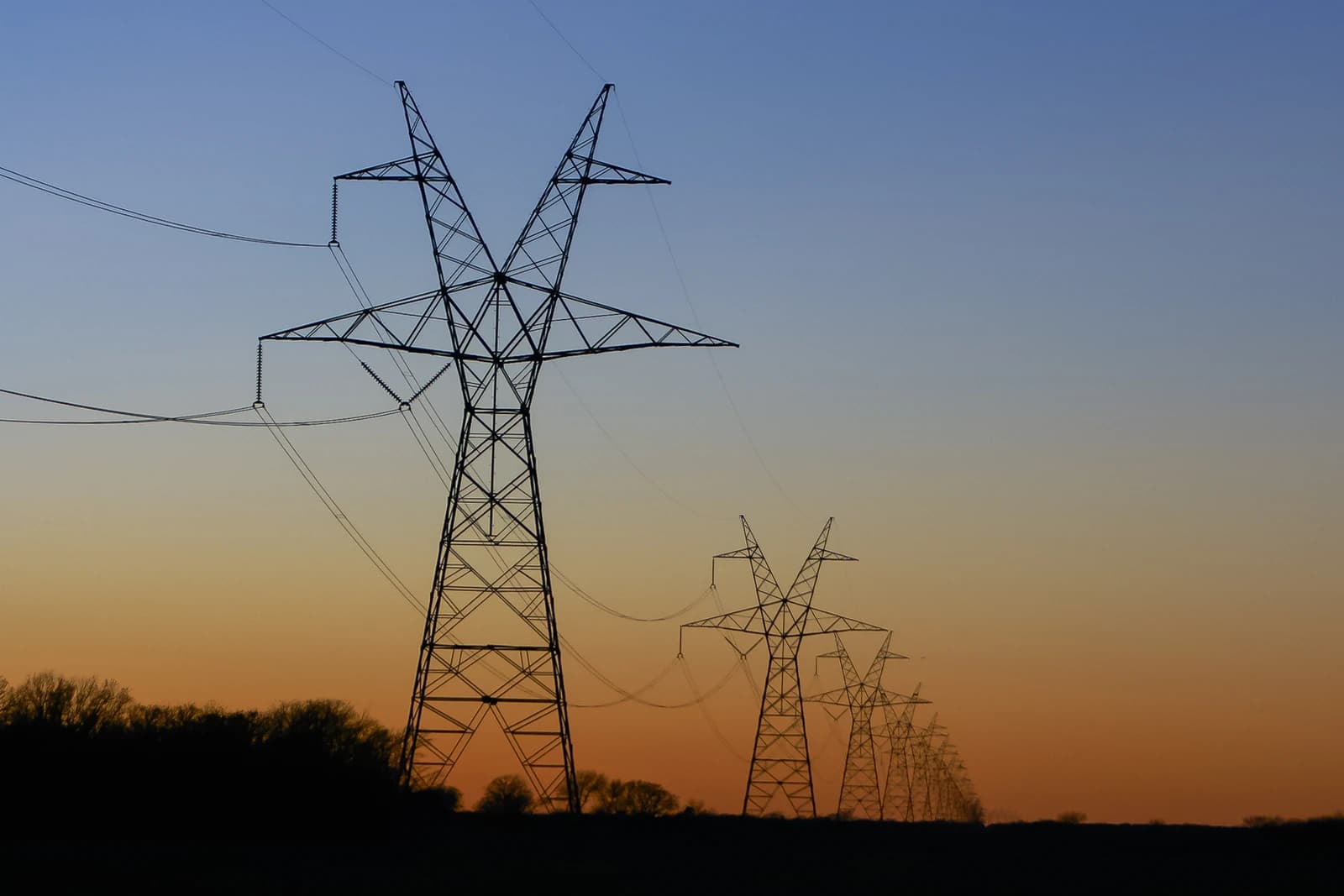
The budget’s central theme is competitiveness. Ottawa is pushing a new productivity super-deduction, a Canadian growth incentive to channel more domestic capital into local businesses, and a Strong Canada Fund meant to draw in global investors. It is also backing a national electrification strategy aimed at doubling grid capacity by 2050, alongside spending on nuclear power and critical minerals. In plain English, the government is trying to ensure that Canada has the power, materials and financing to build more at home and sell more abroad.
For long-term investors, that is where the opportunity sits. Utilities, grid builders, nuclear names, miners tied to critical minerals and industrial firms involved in construction and transport stand to benefit if Ottawa follows through. So do companies with strong domestic franchises in housing, renewables and productivity-enhancing technology. The budget’s emphasis on deregulation, competition and worker training also points to a healthier backdrop for Canadian equities over time, especially for businesses that can compound earnings rather than depend on commodity cycles alone.
The risks are just as clear. Big promises around housing, affordability, reconciliation and defense can easily outrun execution. Indigenous groups have already flagged concerns about funding levels, and a plan to reshape an economy takes years, not quarters. Canada also still faces higher rates than it was used to for most of the last decade, with the Bank of Canada’s policy rate at 3.88% and the 10-year government yield near 4.86%, so financing conditions are not exactly loose.
Still, this budget is more investor-friendly than a simple spending package. It tries to strengthen the balance sheet, widen the country’s industrial base and make Canada a more attractive place to deploy capital. For patient investors, that combination is usually more important than any single line item. The best way to play it is not to chase the headline, but to watch which companies can turn this policy shift into durable cash flow over the next five to 10 years.
| Entity | Gains | Losses |
|---|---|---|
| Canadian builders and utilities | ▲More infrastructure demand | ▼Execution delays |
| Critical mineral and nuclear firms | ▲Policy support and capital flows | ▼Commodity volatility |
| Households and renters | ▲Affordability measures and lower costs | ▼Taxpayer burden if costs rise |
| U.S. exporters to Canada | ▲Less policy uncertainty if ties stabilize | ▼More Canadian diversification away from U.S. suppliers |