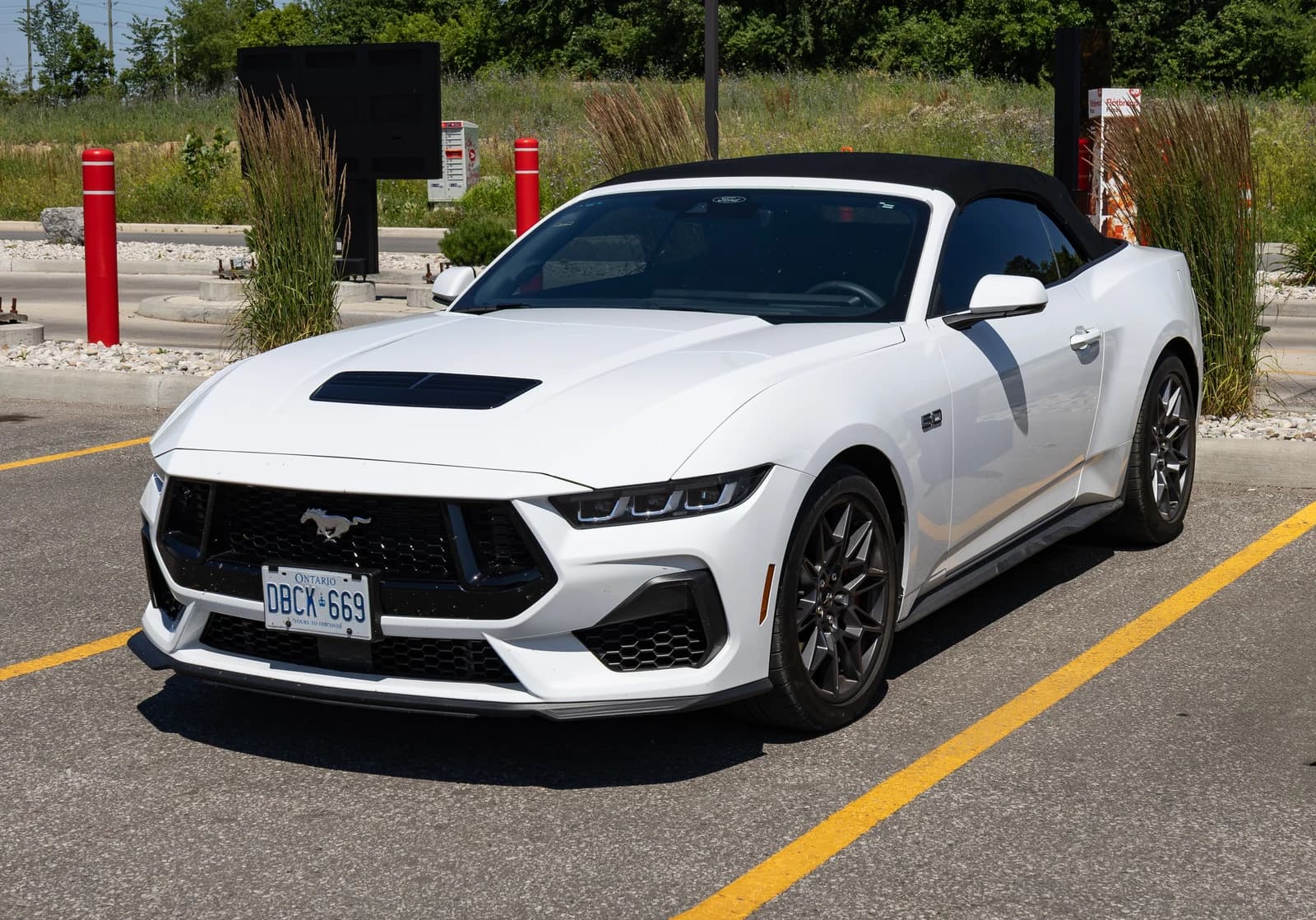
Ford’s upcoming Fathom electric pickup is set to cap out in the high-$30,000 range, a pricing move that could matter as much for the broader U.S. EV market as for Ford itself. If the company can deliver a mid-size battery-electric truck below the psychological $40,000 threshold, it would land in a segment where nearly half of U.S. new-vehicle transactions still occur, giving Ford a chance to pull in buyers from gas, hybrid and used-car markets rather than just from other EVs.
Ford Fathom EV pickup priced below $40,000
That matters economically because EV affordability has been one of the industry’s biggest constraints. Ford said prices for new battery-electric vehicles in the U.S. have risen about 10% in recent years, pushing many models out of reach for mainstream shoppers. By contrast, the Fathom’s $29,945 starting price and top trim in the high-$30,000s would place it below many rivals’ comparable trims and within striking distance of mass-market crossovers and pickup buyers. In a market where sticker price still determines whether buyers consider an EV at all, Ford is trying to turn price into a volume weapon.
Sentiment Indicators
The strategy also fits Ford’s wider push to make EVs less dependent on subsidies and premium positioning. Chief executive Jim Farley and Ford Blue and Model e president Andrew Frick are pitching the truck not just as an electric vehicle, but as a lower-operating-cost alternative to mainstream hybrids and gasoline models, with digital features and an embedded software suite intended to support longer-term subscriptions. That is important for investors because it suggests Ford is trying to improve the economics of its electric portfolio through software revenue and a more accessible product mix, rather than relying solely on hardware margins.
Still, the bullish case depends on execution. Ford has already shown it can be aggressive on pricing, only to see some models drift upward over time as costs, options and market conditions change. Investors will also be watching whether the company can launch pre-orders in the first quarter of 2027 as planned and avoid the quality problems that have plagued parts of its lineup; Ford has issued far more recalls this year than some rivals, a reminder that low pricing can quickly become expensive if warranty and reputation costs rise. The question for the market is whether Fathom becomes a genuine volume product or another example of an automaker promising affordability before inflation, tariffs and product complexity narrow the room to deliver it.
For investors, the Fathom is less about one truck than about Ford’s ability to reset EV economics in a segment where scale, pricing discipline and software monetization now matter as much as battery range. If Ford can hold the line under $40,000, it could strengthen its case that EV adoption can broaden beyond early adopters. If not, it risks reinforcing the industry’s view that affordable electric trucks remain harder to build than to market.
| Entity | Gains | Losses |
|---|---|---|
| Ford | ▲Broader buyer pool | ▼Margin pressure if costs rise |
| EV shoppers | ▲Lower entry price | ▼Fewer premium features at base trims |
| Legacy EV rivals | ▲— | ▼More pricing pressure |
| Used-gas and hybrid sellers | ▲— | ▼Potential demand loss |