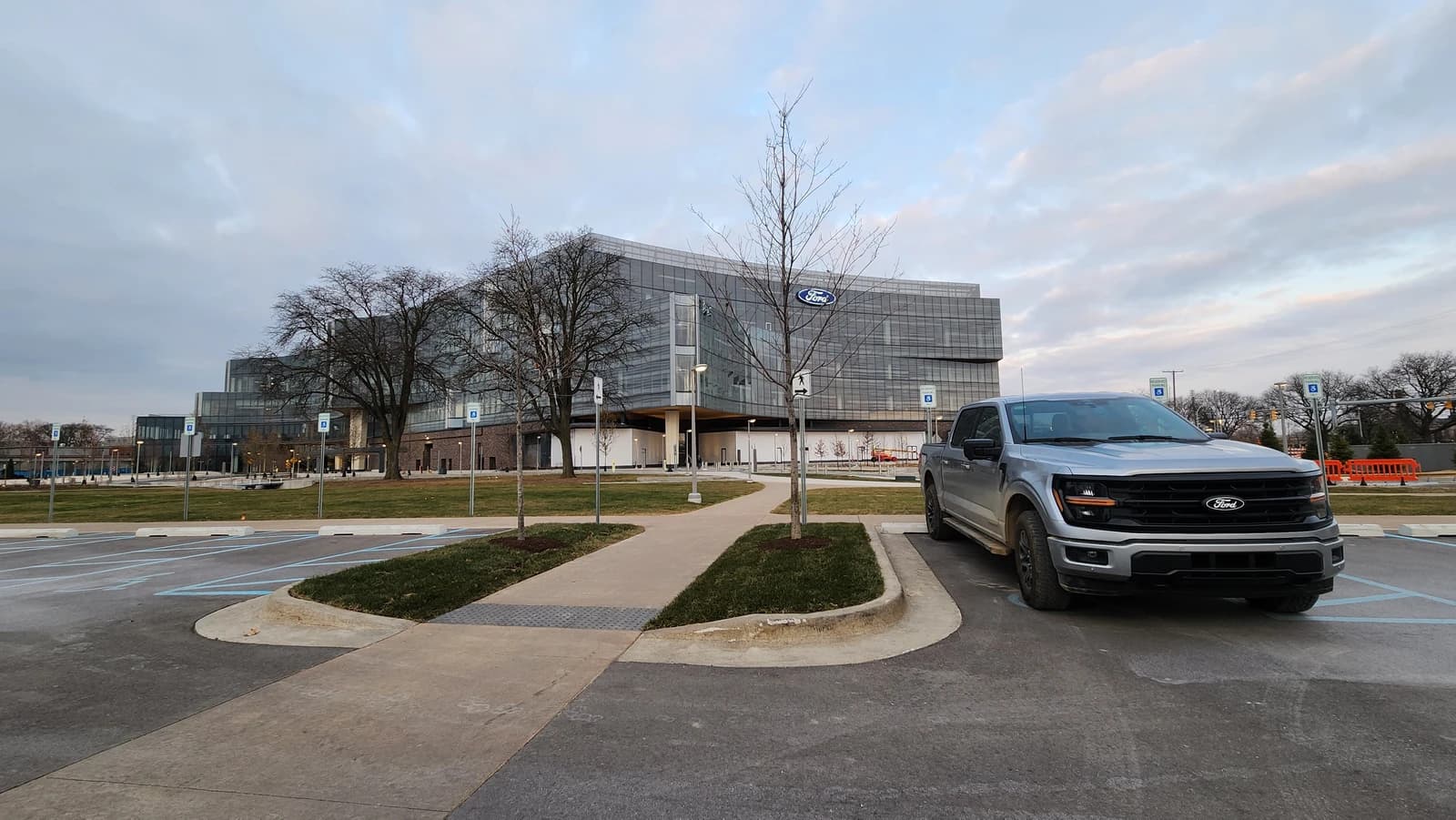
Ford has begun producing lithium iron phosphate battery cells in Michigan using technology licensed from China’s CATL, a move that could cut EV costs and broaden its electric lineup even as it draws scrutiny in Washington over reliance on Chinese intellectual property.
Ford starts LFP battery cell production in Michigan
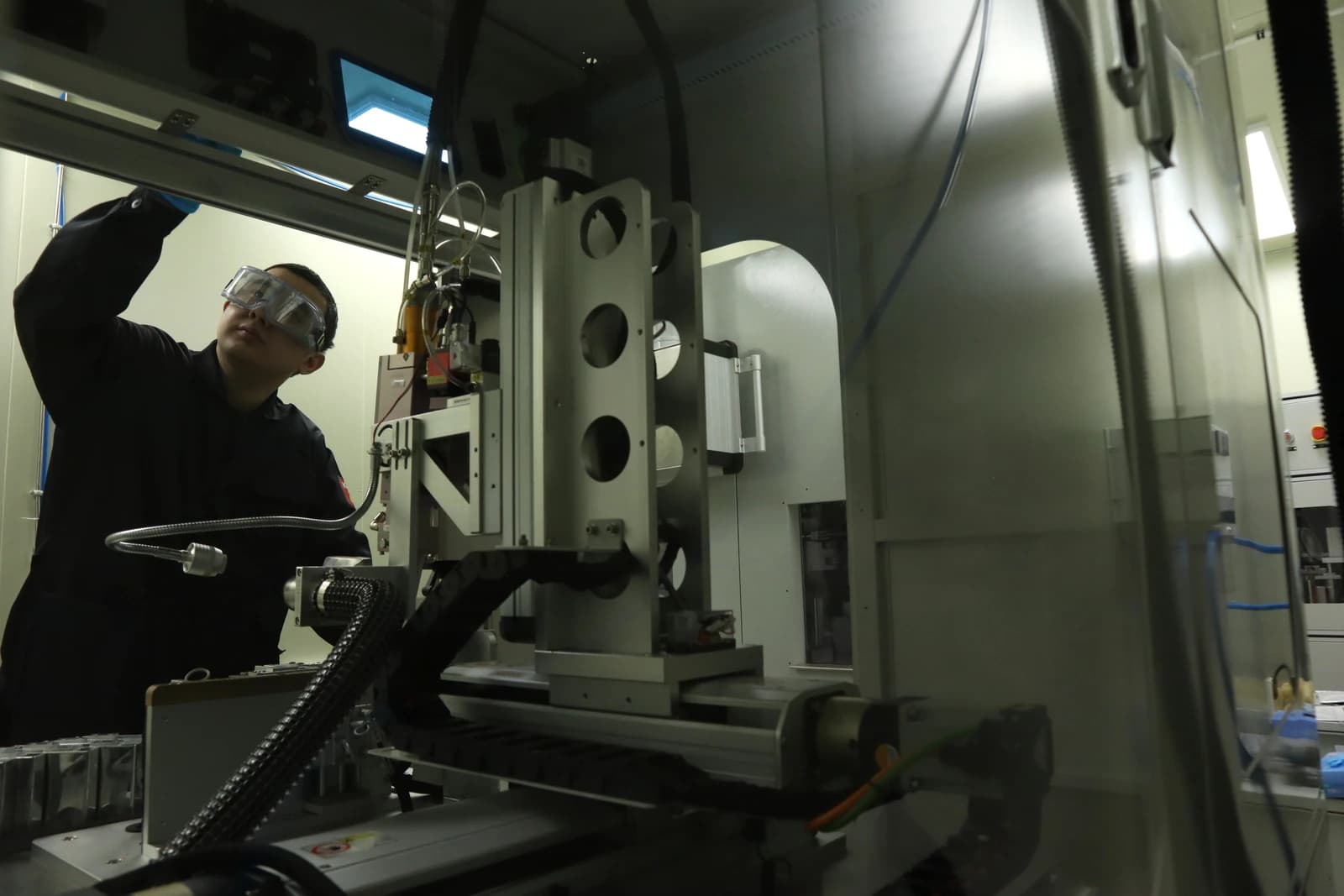
The first cells are rolling off the line at BlueOval Battery Park Michigan and will be sent to Ford’s Louisville Assembly Plant in Kentucky to power prototypes of the Fathom, the midsize electric pickup the company wants to launch below $30,000. For Ford, the bet is straightforward: cheaper batteries are central to building an electric truck that can compete with gasoline models on price, not just performance.
Sentiment Indicators
LFP chemistry is cheaper than nickel- and cobalt-based batteries and tends to hold up well over repeated charging cycles, making it attractive for mass-market EVs and energy-storage applications. Ford said the new Michigan lines can produce 40 cells a minute, positioning them among the fastest LFP prismatic lines outside China and giving the automaker a domestic manufacturing base for a lower-cost battery format it sees as critical to its next phase of EV growth.
The project also highlights a broader industry dilemma: U.S. automakers want to localize battery supply while still leaning on Chinese expertise, materials and manufacturing know-how to do it quickly and at lower cost. Ford said its arrangement with CATL is a limited technology-licensing and services deal rather than a joint venture, and that it owns and operates the plant itself. But the decision has already triggered political pushback, with Transportation Secretary Sean Duffy warning Ford about its “reliance on technologies of foreign adversaries.”
For investors, the significance is less about the immediate controversy than the margin math. If Ford can scale LFP production in the U.S. and keep the Fathom under its target price, it could improve the economics of its EV business and make battery supply less dependent on third parties. The learning from Marshall, Michigan, is also meant to feed Ford’s energy-storage operations, extending the payoff beyond vehicles.
Ford plans to bring its battery pack plant in Marshall online in 2027, ahead of the Fathom’s launch, with the company now trying to prove it can pair lower-cost battery chemistry with domestic production. The next test is execution: whether Ford can ramp volumes, contain costs and navigate the political fallout of using Chinese designs in American-made batteries.
| Entity | Gains | Losses |
|---|---|---|
| Ford | ▲Lower battery costs | ▼Political scrutiny |
| CATL | ▲Licensing revenue | ▼U.S. distrust |
| EV buyers | ▲Cheaper models | ▼Delayed rollout risk |
| Domestic rivals | ▲Pressure to cut costs | ▼Higher EV cost base |