Ford is starting shipments of lithium iron phosphate battery cells built with technology licensed from CATL, a move that could help the automaker cut battery costs and broaden its EV lineup as price pressure and competition intensify across the industry.
Ford starts CATL LFP battery cell shipments

The development matters because battery chemistry is one of the biggest determinants of electric-vehicle affordability, margins and production scale. LFP cells typically cost less than nickel-rich batteries and offer better durability and safety, even if they provide lower energy density, making them attractive for mainstream EVs and for U.S. automakers trying to bring down sticker prices without sacrificing range targets too sharply.
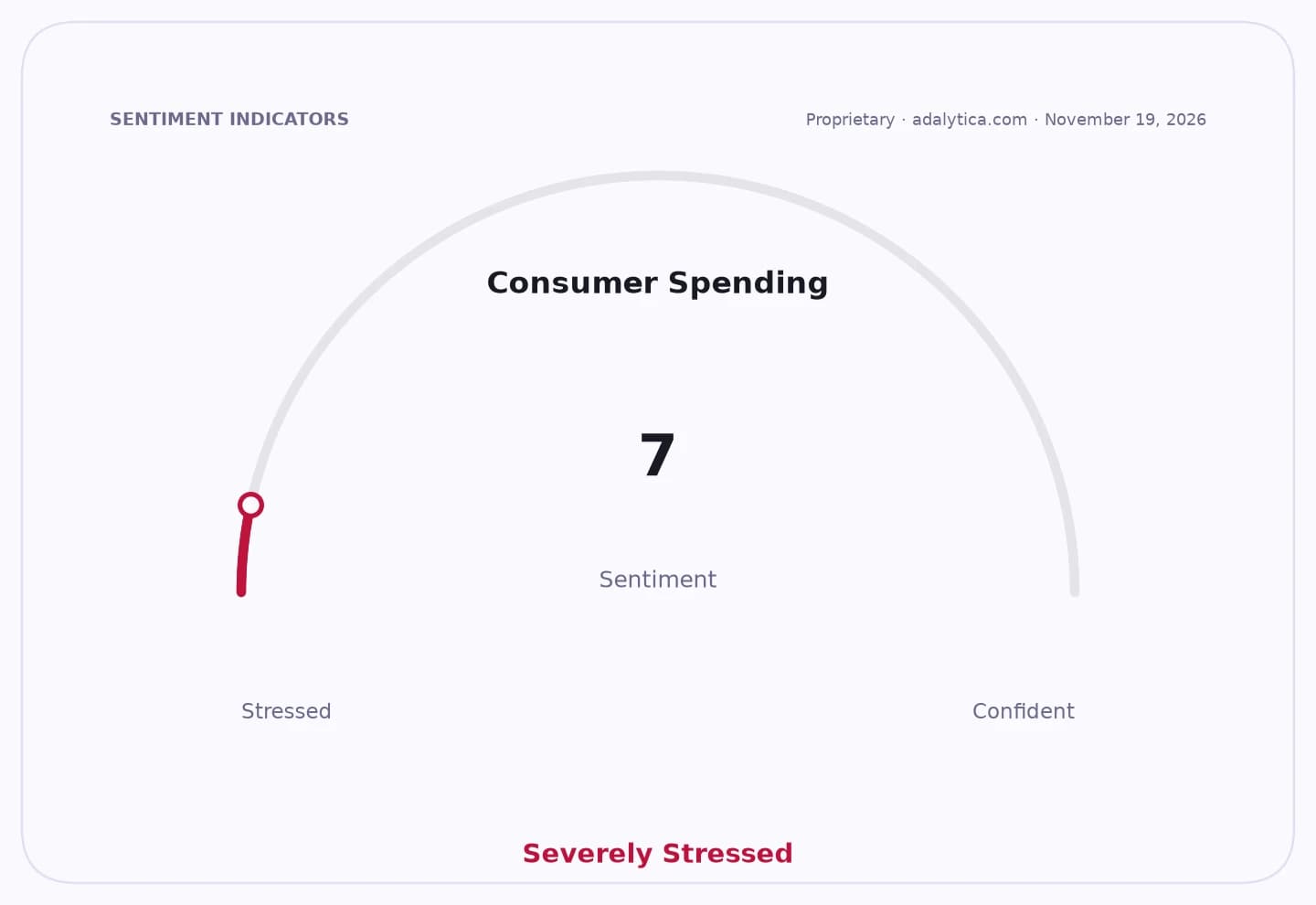
Sentiment Indicators
For Ford, the shift is also a supply-chain hedge. Licensing CATL technology lets the company tap the world’s dominant EV battery know-how while reducing dependence on a single chemistry that has often been tied to higher raw-material volatility. It comes as automakers face persistent pressure to protect margins while funding new battery programs, software, and electrification investments.
The move lands at a sensitive moment for the stock. Ford shares have slipped to $11.22 from a November high above $12.45, with the stock trading below both its 50-day and 200-day moving averages. Technical indicators also point to a weaker near-term setup, with RSI around 32 and the MACD still negative, suggesting investors remain skeptical about the payoff from Ford’s EV push.
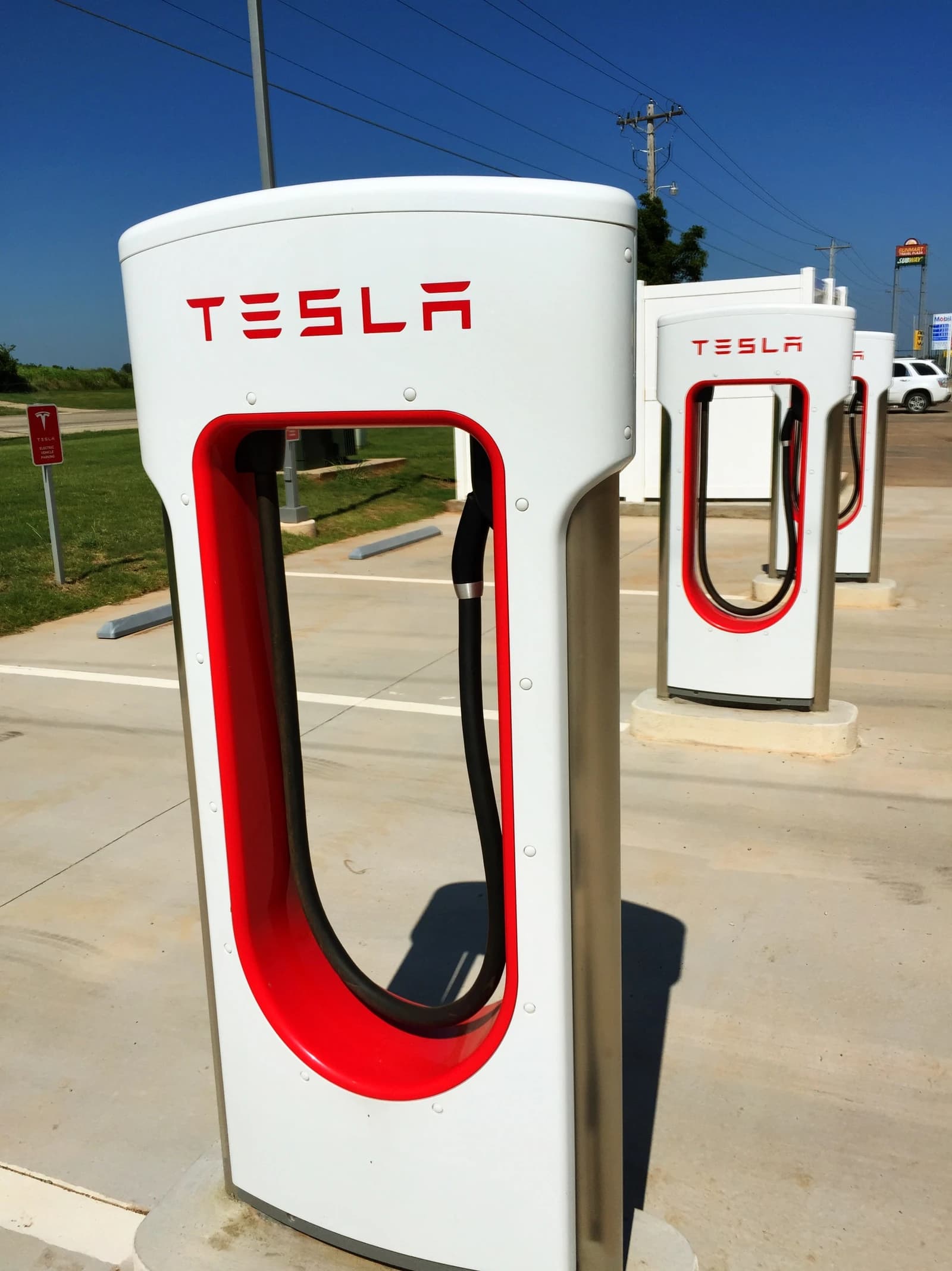
By contrast, companies tied to cheaper battery supply chains and energy-storage demand stand to benefit from broader adoption of LFP chemistry, which is gaining traction in both vehicles and grid storage. Tesla and General Motors are also navigating battery-cost pressure, though both are managing their own supply and product-mix challenges rather than relying on the same licensing path.
The key investor question is whether Ford can turn battery-cost savings into better EV pricing and more sustainable profitability without running into political or trade friction over China-linked technology. Any follow-up on production volumes, model rollout or regulatory scrutiny around the CATL tie-up will likely shape how quickly the market assigns value to the strategy.
| Entity | Gains | Losses |
|---|---|---|
| Ford | ▲Lower battery costs | ▼Near-term margin uncertainty |
| CATL | ▲Licensing revenue | ▼Less direct control of U.S. supply |
| EV buyers | ▲Cheaper EVs | ▼Fewer high-range options |
| Rival automakers | ▲Battery cost benchmark | ▼Pricing pressure |