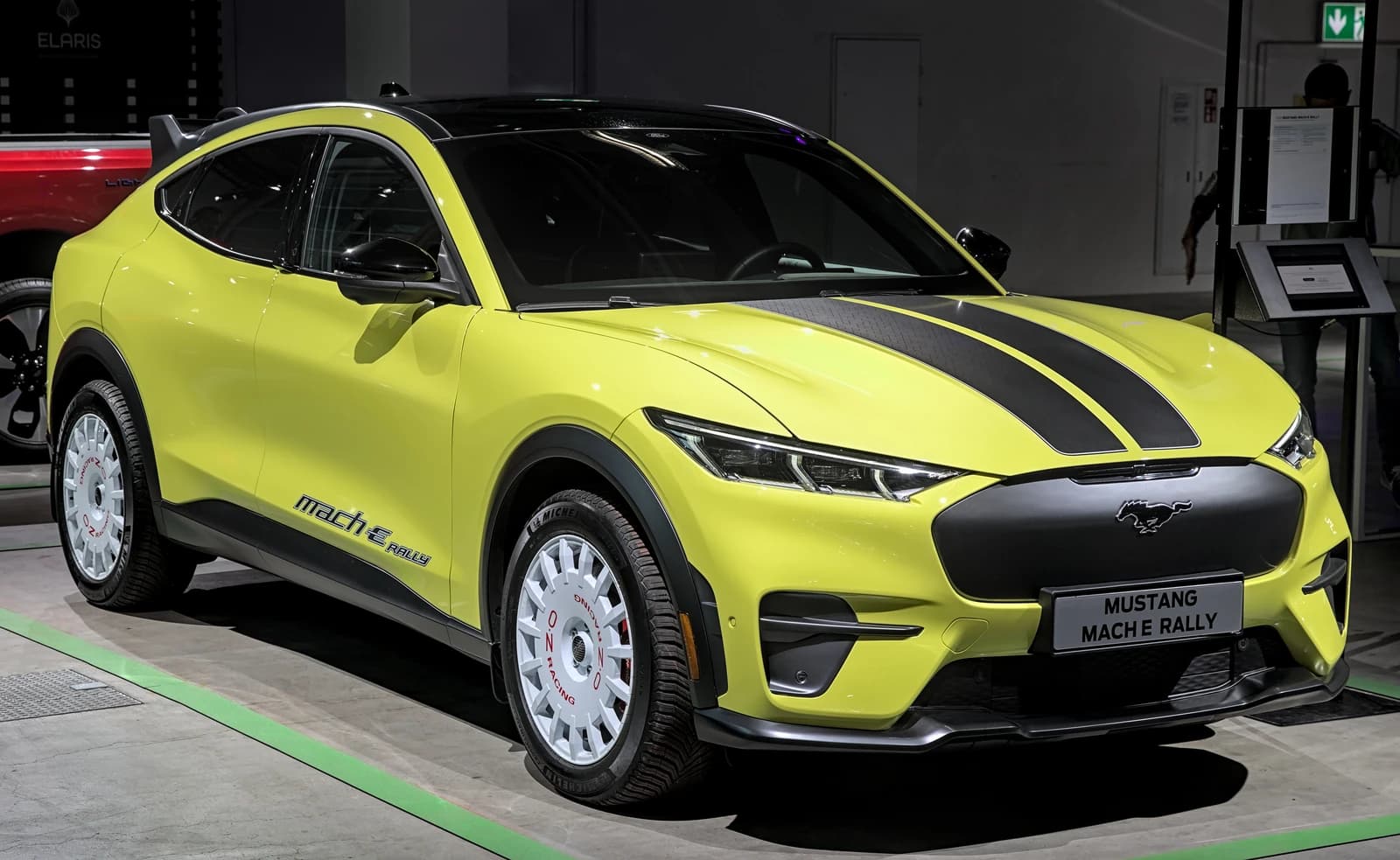
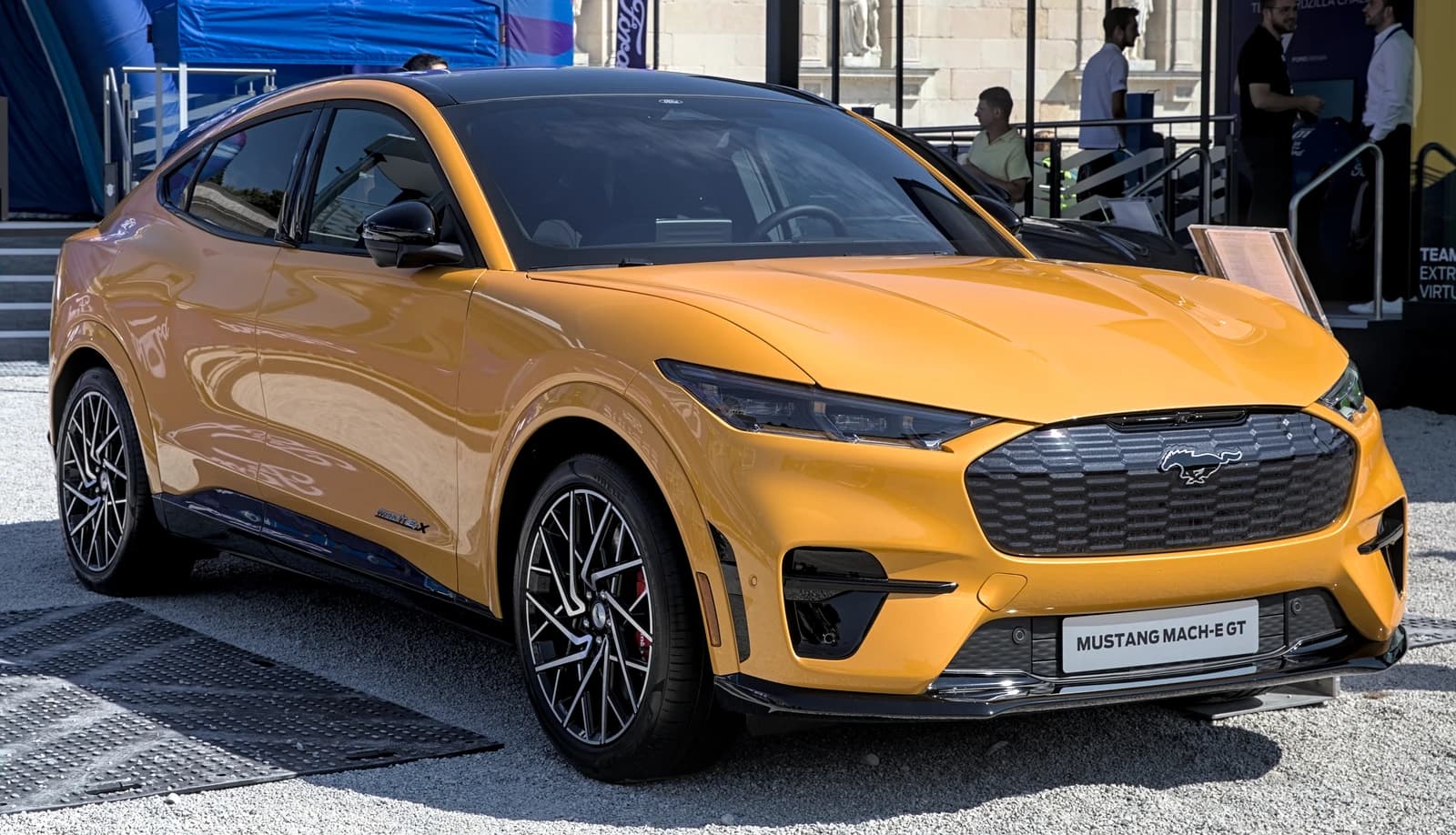
Ford Motor is giving the 2027 Mustang Mach-E more range, more equipment and a lower entry point, a move that could help the electric crossover regain traction with buyers as the U.S. EV market stays highly competitive.
Ford Mach-E gets more range and lower entry price
The biggest change is that Ford is dropping the smaller 73-kWh battery from the lineup and making its extended-range pack standard across all trims. Select and Premium models get an 88-kWh battery, while the GT and Rally trims use a 91-kWh pack, with Ford saying the update also brings a lower-cost front electric motor to the lineup.
Sentiment Indicators
That combination matters because range and price remain two of the most important purchase drivers in battery-electric vehicles. Estimated driving range rises to as much as 320 miles for rear-wheel-drive versions and about 300 miles for eAWD models, while the GT is estimated at about 280 miles and the Rally at roughly 255 miles, giving Ford a stronger value pitch without pushing buyers upmarket.
Ford is also broadening the Mach-E’s appeal with a new Trail package aimed at drivers who want light off-road capability without stepping up to the more expensive Rally trim. The option, available on Select eAWD, adds 10 millimeters of front ground clearance and 15 millimeters in the rear, improved approach and departure angles, and a 400-watt Pro Power Onboard system for camping gear and electronics.
The update fits Ford’s broader attempt to sharpen its EV portfolio around products with clearer use cases and better economics. For investors, the key question is whether the company can use more disciplined packaging and lower production costs to defend margins while competing against Tesla and other EV makers that are still pressuring pricing.
Ford shares were last at $12.25 on Oct. 30, below the 50-day moving average of $12.90 and under the 200-day average of $13.16, indicating the market has yet to fully price in a stronger EV product cycle. The stock has been choppy, but the Mach-E refresh gives Ford a new catalyst as it heads into the next model year.
| Entity | Gains | Losses |
|---|---|---|
| Ford | ▲Better EV value proposition | ▼Higher complexity in lineup |
| Mach-E buyers | ▲More range for less money | ▼Fewer low-cost battery choices |
| Tesla and rivals | ▲— | ▼More direct value competition |
| Ford margins | ▲Lower motor costs | ▼Pricing pressure if discounts persist |