A Houston startup is trying to turn the Permian Basin’s oilfield wastewater into battery-grade lithium, a potential shift that could help ease US dependence on China for a critical EV input while cutting the cost and carbon intensity of domestic supply.
Element3 turns Permian produced water into lithium
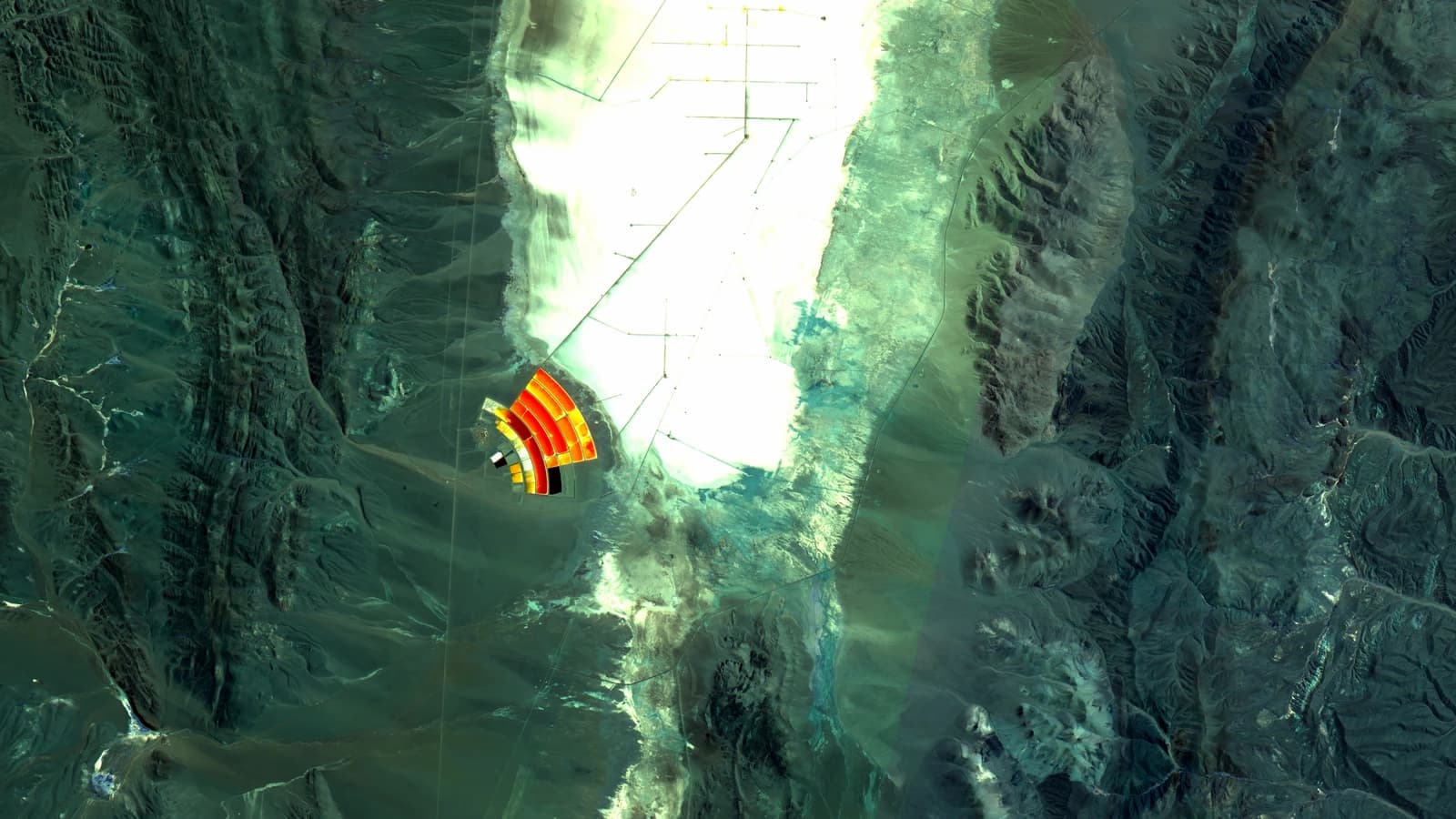
Element3 says the salty water produced alongside West Texas crude contains meaningful amounts of lithium that can be extracted using a direct-lithium-recovery process built around existing oilfield pipelines and infrastructure. If it works at scale, the model could let the fossil-fuel industry supply a core material for electric-vehicle batteries without building a new mining and transport network from scratch.
Sentiment Indicators
That matters because the US remains heavily exposed to foreign refining and battery supply chains. The country imported more than $16 billion of lithium-ion batteries from China in 2024, according to the figures cited in the report, and Washington’s widening trade fight with Beijing adds another layer of risk for automakers and battery makers trying to lock in raw materials.
Element3, founded in 2021, has already raised more than $20 million and opened what it says is the first new US lithium extraction plant since the 1960s. The Midland facility, opened in February, is designed for up to 3,000 tons of annual output, compared with about 5,000 tons from the long-running Silver Springs site in Nevada, underscoring how small domestic supply still is relative to demand.
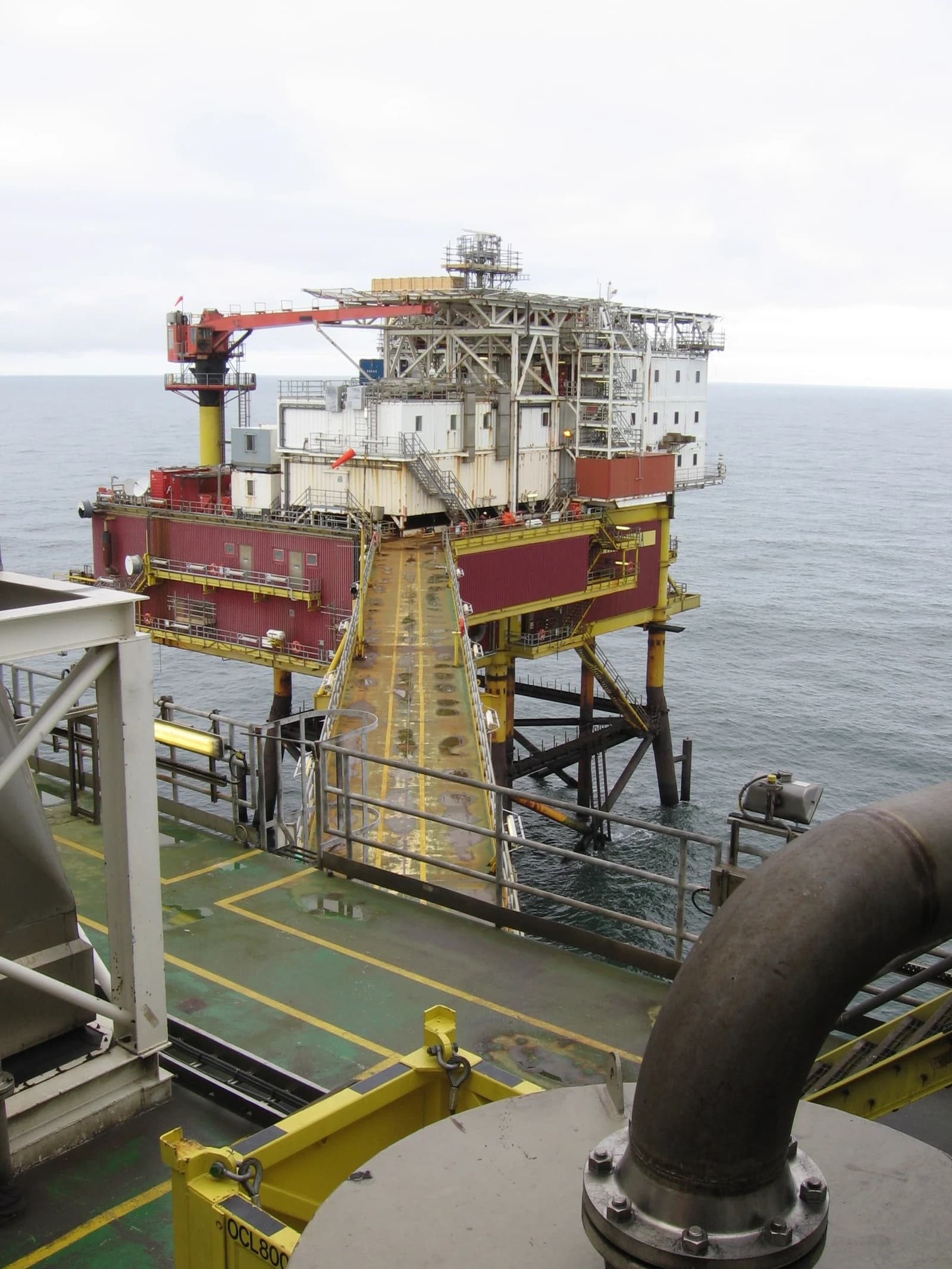
The economics are tied to oilfield logistics. Permian operators already move roughly 26 million barrels of produced water a day through vast pipe networks, and Element3 is positioning its plants next to those lines so it can pull out lithium, return the cleaned water to the system and avoid the extra cost of hauling and disposal.
For investors, the story links two markets that usually move in opposite directions: oil and clean-tech metals. If produced-water extraction scales, it could create a new profit pool for energy companies, support US EV manufacturing and pressure traditional lithium suppliers and refiners that dominate the current market.
Shares of Tesla and Exxon Mobil have both been active recently, while Schlumberger stands to benefit if oilfield service expertise and infrastructure become part of the battery-materials supply chain. The next test is whether Element3 can move from pilot-scale economics to repeatable industrial output in Texas and whether other producers follow with similar projects.
| Entity | Gains | Losses |
|---|---|---|
| Element3 | ▲First-mover lithium supply | ▼Scale-up and execution risk |
| US EV makers | ▲More domestic battery inputs | ▼Continued dependence on China |
| Oilfield operators | ▲New revenue from waste streams | ▼Disposal and transport burden |
| Traditional lithium suppliers | ▲Higher competition | ▼Pricing pressure from new supply |