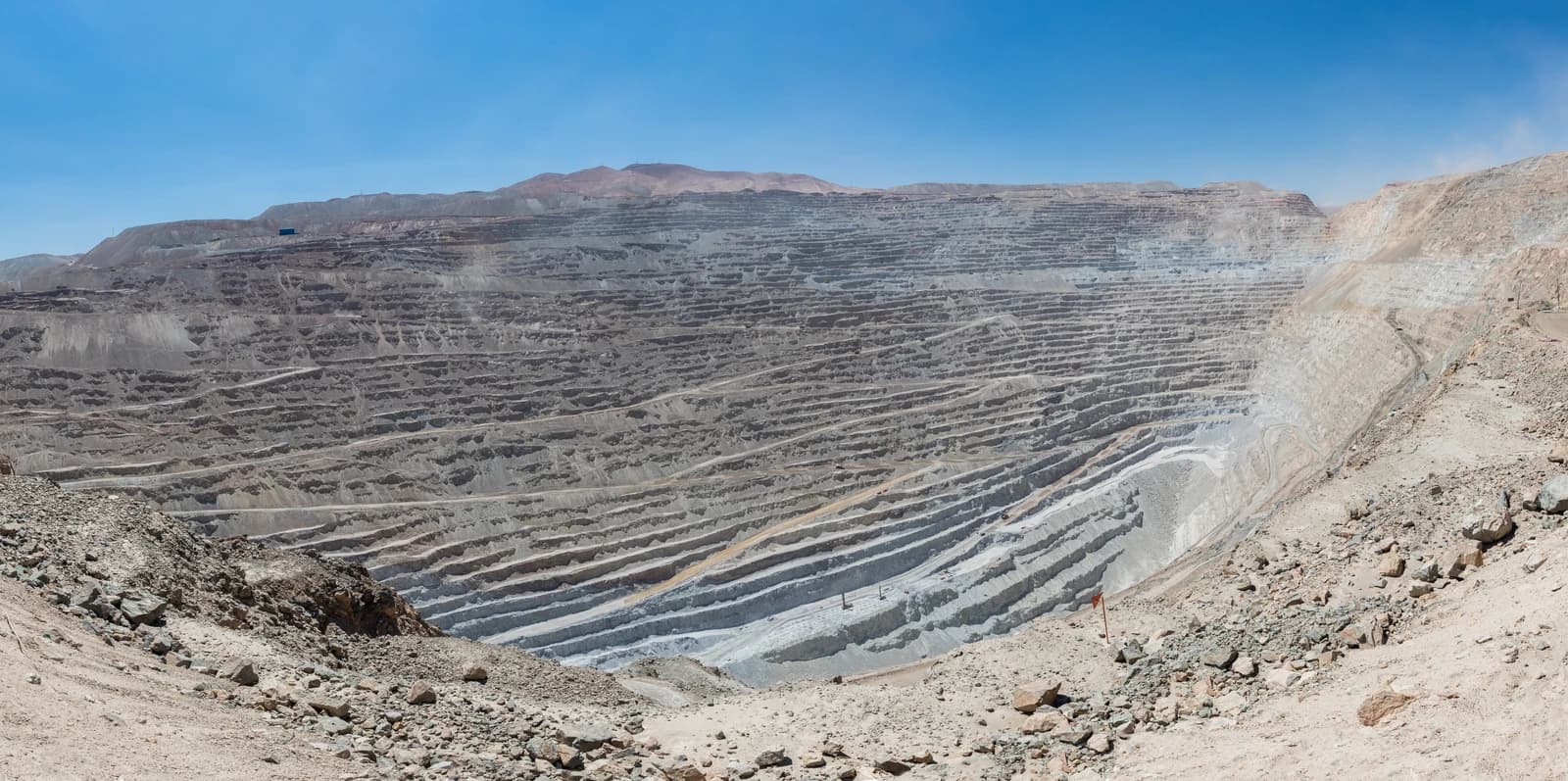
China’s push to deepen ties with Chile comes at a moment when investors are already repricing the big commodity names tied to Latin America, making the relationship more than just diplomatic theater. For copper and lithium producers, the message is that Beijing wants a steadier political backdrop for the metals and minerals that power electrification, infrastructure and the energy transition.
China and Chile deepen trade ties on copper, lithium
Xi Jinping said he is ready to work with Chilean President Jose Antonio Kast to strengthen strategic guidance and “jointly draw a blueprint” for bilateral relations, according to state media. The timing matters: this year marks 10 years since the China-Chile comprehensive strategic partnership was established and 20 years since the free trade agreement took effect. That is a reminder that the relationship is not starting from scratch; it is being refreshed at a point when both sides have reason to protect trade flows.
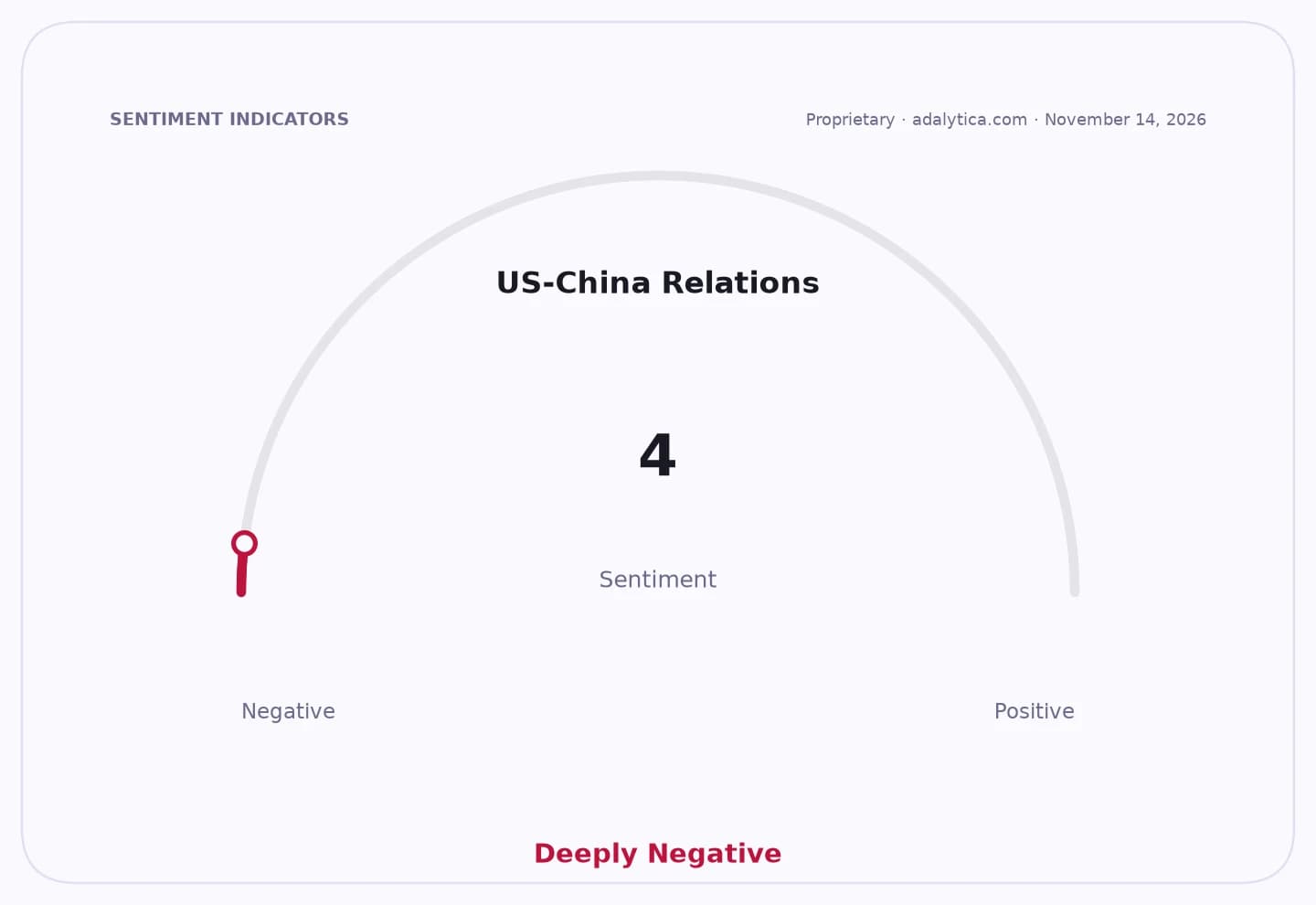
Sentiment Indicators
Chile matters to China because it is the first South American country to establish diplomatic relations with Beijing, and because it sits near the center of the global copper and lithium supply chains. That makes the relationship economically important for sectors ranging from mining to batteries and electric vehicles. For China, keeping Chile close helps secure access to raw materials. For Chile, the Chinese market remains one of the most important outlets for exports and investment.
The market backdrop underscores why investors should care. Shares of SQM, the Chilean lithium producer, have fallen to about $51.59 from a peak above $92 in April, while BHP and Freeport-McMoRan have also retreated in recent sessions. The latest pullback reflects broader weakness in miners, but it also shows how quickly sentiment can shift when commodity prices wobble or trade assumptions change. A more predictable China-Chile channel is a small but meaningful stabilizer for long-duration capital spending in mining.
Adalytica’s US–China relations gauge shows awareness at an extreme 93, but sentiment at just 14, a mix that suggests the relationship is closely watched but still fraught. That matters because geopolitical friction can move commodity prices, project timelines and financing costs long before any formal policy change shows up in earnings. When big resource exporters and major buyers signal cooperation, markets usually take notice.
For long-term investors, the bigger lesson is that Chile remains strategically important in the global race for copper and lithium, and China still has powerful incentives to keep those supply lines open. Whether that ultimately helps SQM, BHP, Freeport-McMoRan or the broader mining complex will depend on pricing, permitting and capital discipline, not just diplomatic language. But a friendlier tone between Beijing and Santiago is the kind of backdrop that can support the next multi-year cycle in materials.
| Entity | Gains | Losses |
|---|---|---|
| China | ▲steadier resource access | ▼less room for disruption |
| Chile | ▲export demand and investment | ▼leverage on trade terms |
| SQM | ▲policy support for lithium demand | ▼if prices stay weak |
| BHP and FCX | ▲clearer copper outlook | ▼tariff or policy noise |