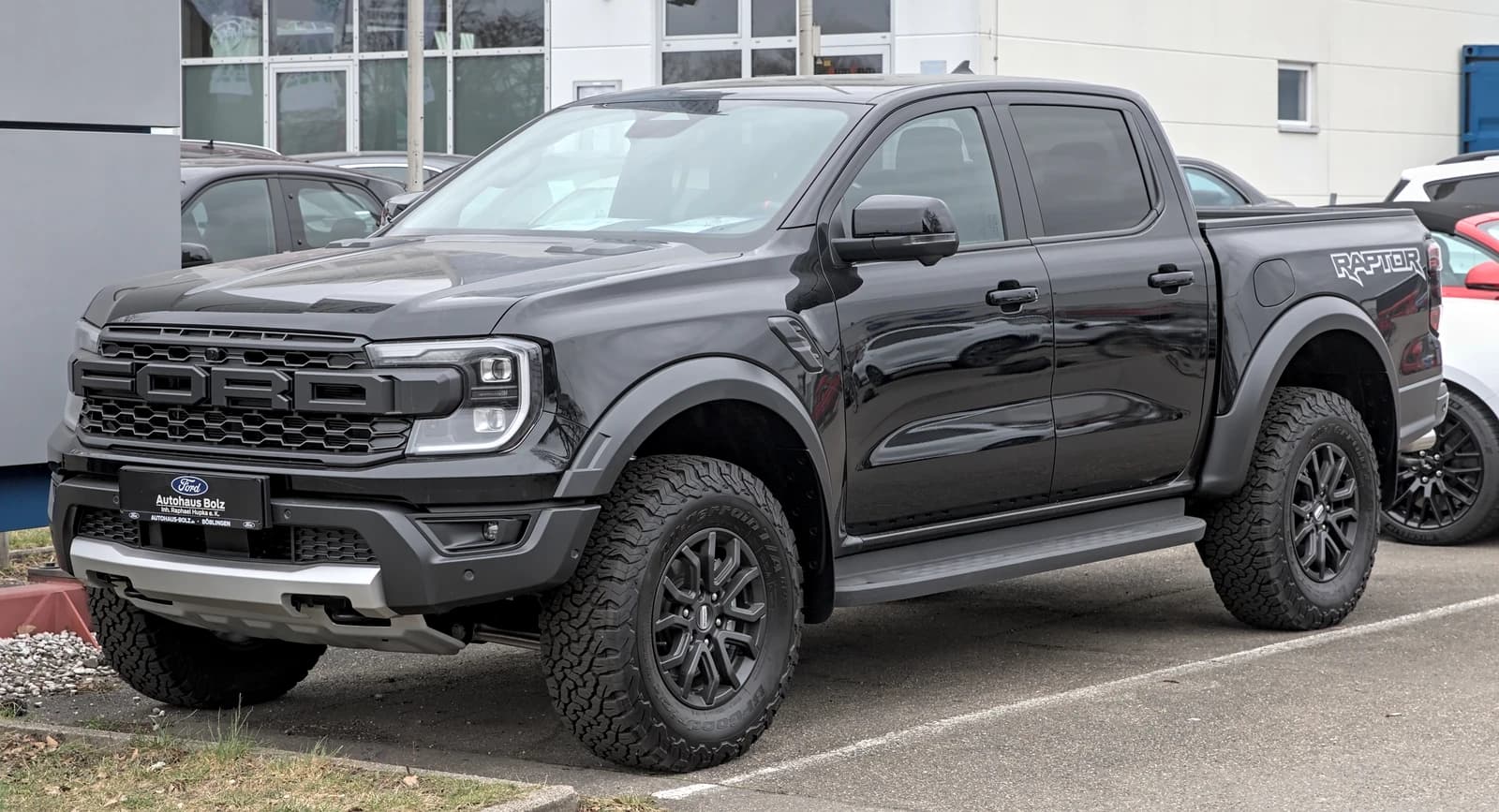
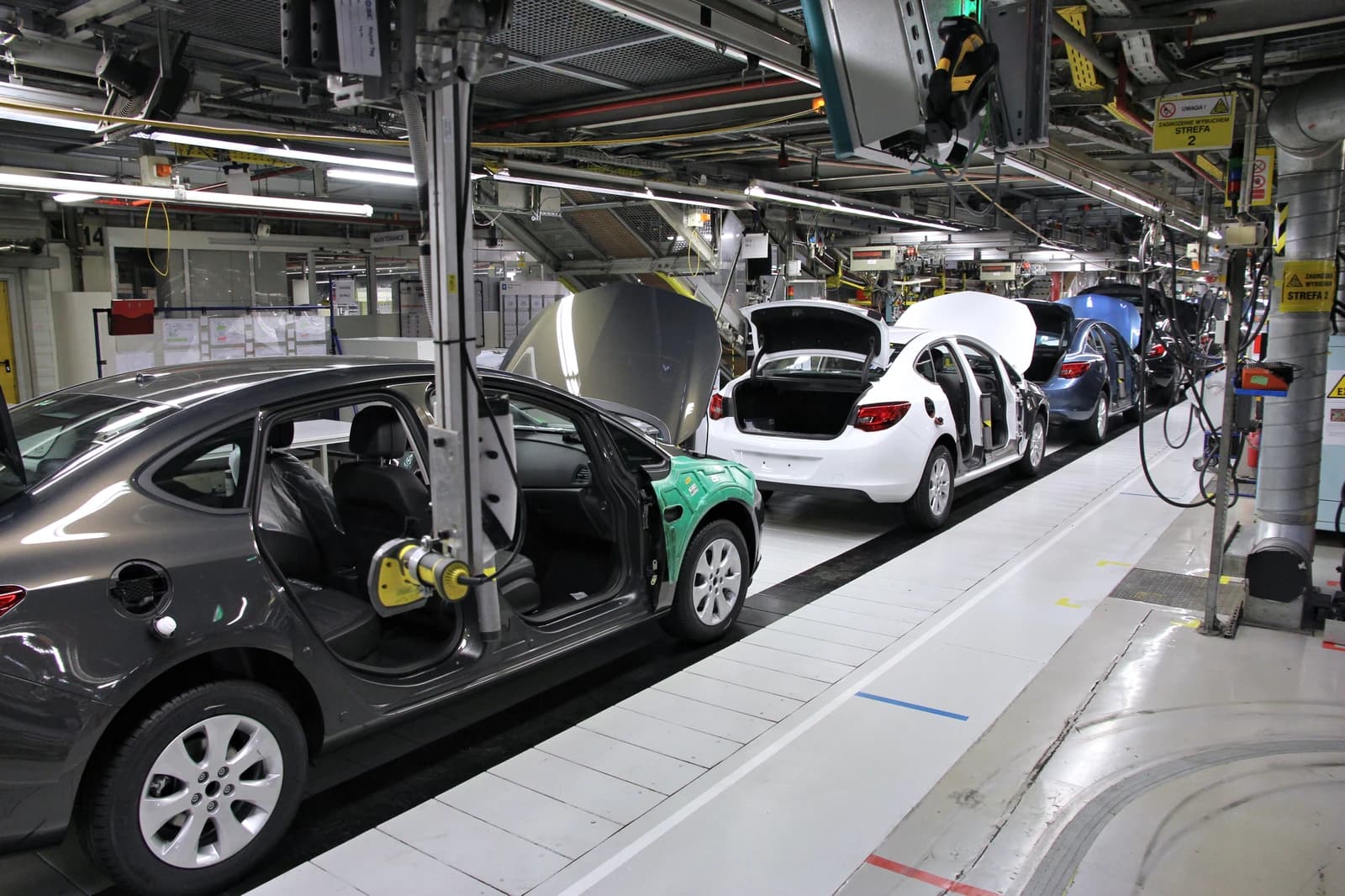
First Ford Super Duty trucks assembled in Ontario are now reaching dealers, a small but strategically important step that underscores how automakers are reshaping North American production around the highest-margin parts of the pickup market.
Ford Super Duty trucks begin arriving in Ontario dealers
The timing matters because full-size trucks remain the profit engine for Detroit’s legacy carmakers. For Ford, moving Super Duty production into Ontario broadens manufacturing flexibility at a moment when tariffs, supplier disruptions and labor constraints continue to hang over the auto supply chain. It also gives the company another lever to protect output of one of its most valuable nameplates while maintaining the heavy-truck volume that supports margins.
Ford’s shares were little changed in recent trading, closing at $12.31 on Nov. 3, below the 50-day moving average of $12.83 and just under the 200-day average of $13.16, suggesting investors have not fully repriced the operational significance of the launch. The stock has also pulled back from a summer rally, and the recent technical setup points to a market waiting for proof that truck launches can translate into steadier earnings and cash flow.
For Ontario, the shipment marks a win for manufacturing employment and cross-border industrial integration. Canada’s role in North American auto production has become more important as companies look for resilient, tariff-insulated capacity and try to avoid bottlenecks that can interrupt assembly lines. The fact that Super Duty trucks are rolling out of a Canadian plant also highlights Ford’s willingness to distribute production risk across the region rather than rely too heavily on U.S. facilities.
The move also comes as Ford continues to manage a wider balancing act: investing in new vehicle technology and electrification while leaning on the F-Series franchise to fund that transition. The company has recently been dealing with recalls and supply-chain hiccups, including a short-term supplier issue that affected F-150 production, reinforcing how sensitive truck output remains to even temporary disruptions.
Investors will be watching whether the Ontario launch helps stabilize Ford’s heavy-truck pipeline and protect pricing in a segment where demand has historically been resilient. A smoother ramp would support the bull case that Ford can use its truck franchise to offset cyclical weakness elsewhere. The bear case is that even strong underlying demand can be diluted by launch costs, supply bottlenecks and a still-choppy industry backdrop.
If production and deliveries scale without incident, the Ontario-built Super Duty program could become another example of how Ford is using North American manufacturing depth to defend one of its most profitable businesses.
| Entity | Gains | Losses |
|---|---|---|
| Ford | ▲Higher supply flexibility | ▼Launch execution risk |
| Ontario plant workers | ▲More production volume | ▼Dependence on truck cycle |
| Dealers | ▲Fresh inventory | ▼Potential mix complexity |
| Rivals | ▲Less direct impact | ▼Ford gains truck resilience |