Roland Lescure sought to play down the risk that hedge funds could destabilize French debt, pushing back against a narrative that speculative investors are gaining leverage over Paris as Europe’s fiscal debate hardens.
France Debt Fears Remain Contained but Fragile
The intervention matters because France’s borrowing costs and fiscal credibility have become a political and market fault line. Any perception that the government is vulnerable to a bond-market attack could raise the price of refinancing debt, tighten financial conditions and complicate efforts to restore budget discipline without choking growth.
Sentiment Indicators
Markets are not yet signaling a full-blown France-specific stress episode. The iShares MSCI France ETF closed at $45.02 on July 10, still above its 50-day and 200-day moving averages, conventional technical indicators that suggest French equities have held up despite the debt debate. BNP Paribas’s U.S.-listed shares also remained firm, ending at $57.52, above both key moving averages.
The steadier equity tone contrasts with a more cautious currency backdrop. The Invesco CurrencyShares Euro Trust closed at $105.29, below its 50-day and 200-day moving averages, reflecting pressure on the euro as investors weigh fiscal strains, monetary policy and geopolitical risk across the region.
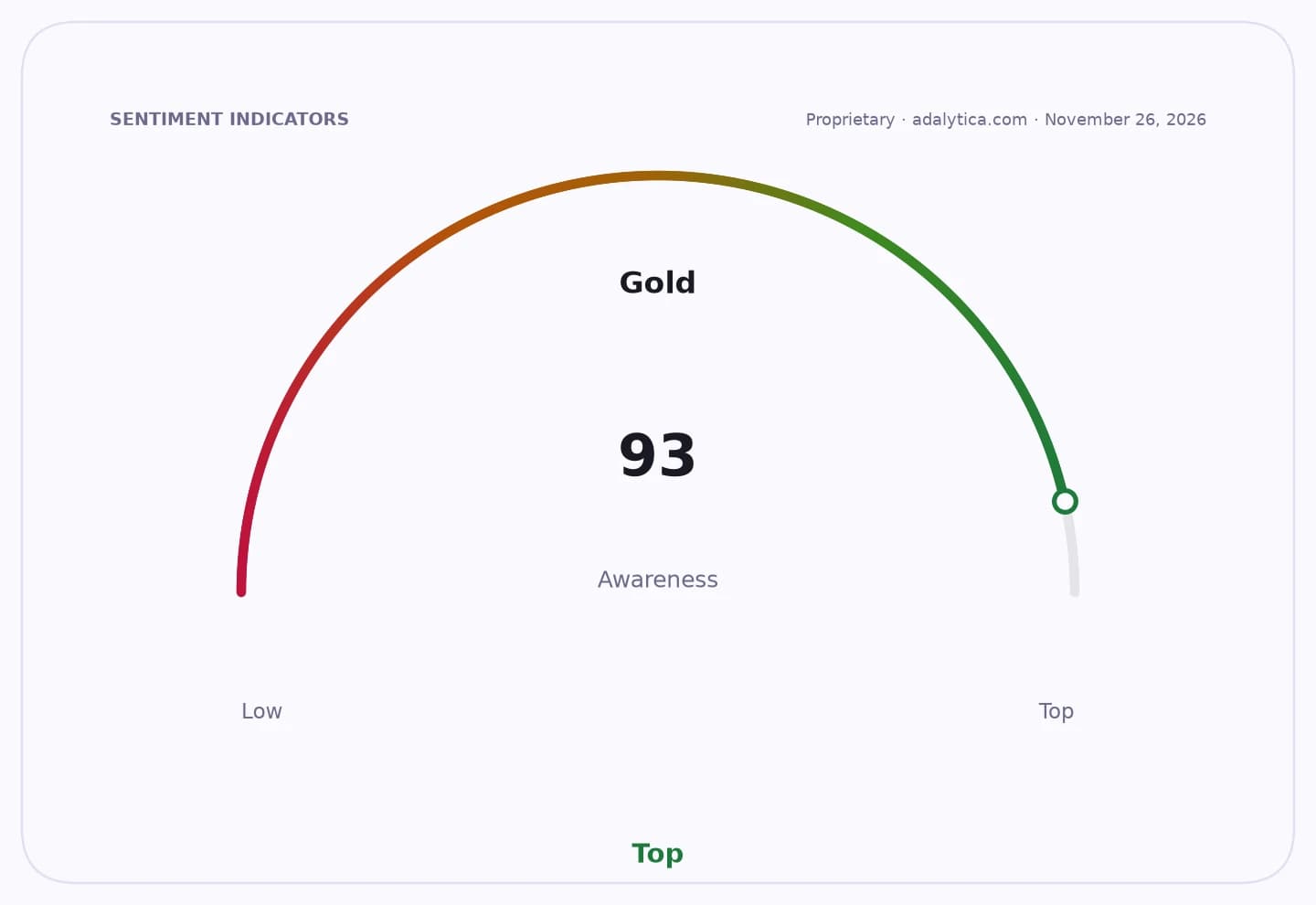
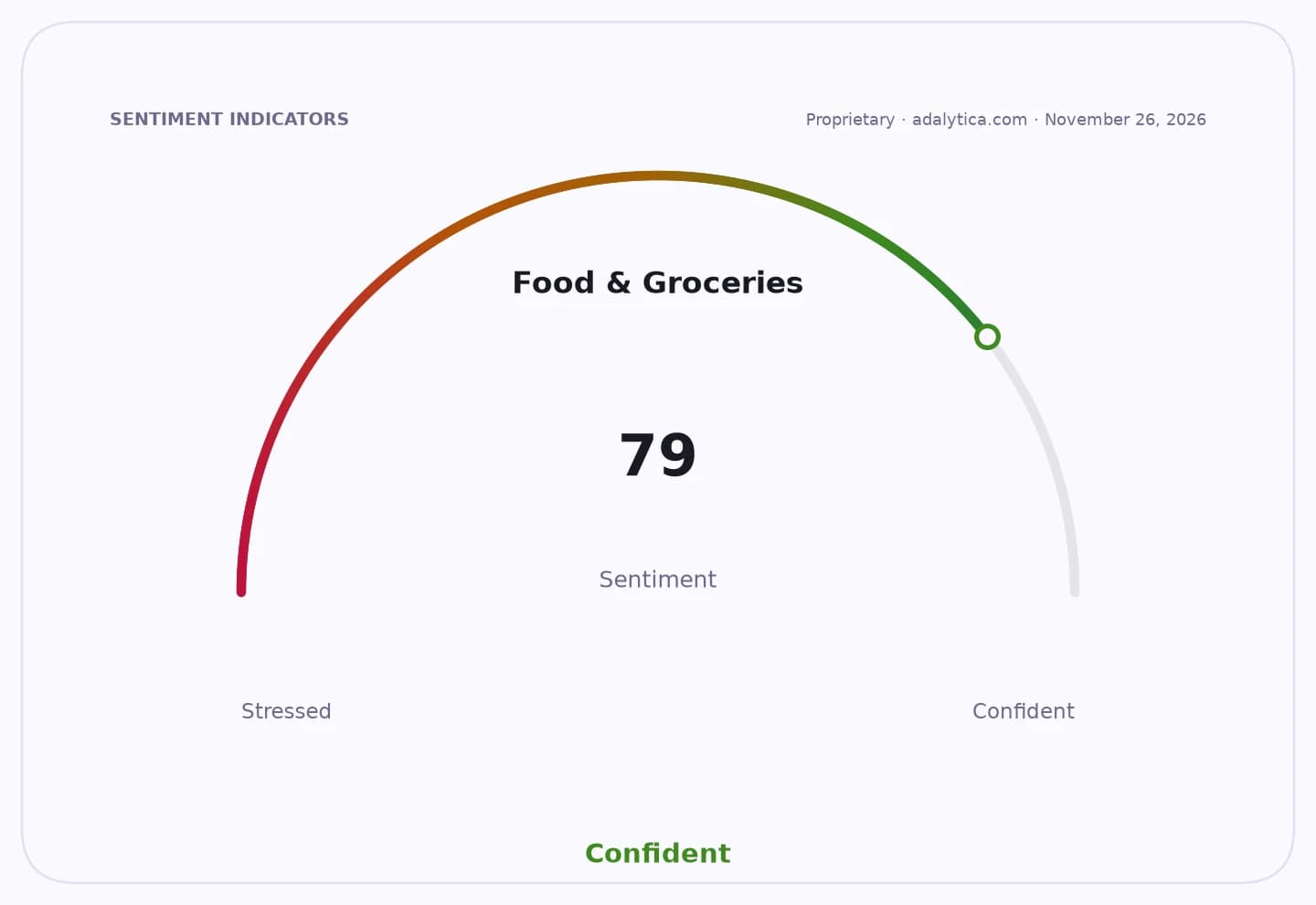
Adalytica.com’s EU fiscal debt rules sentiment gauge stood at a neutral 56 on July 10, up 19 points on the day but still lower over the week and month. That points to a market narrative that has stabilized temporarily rather than disappeared. Its global stability sentiment indicator remained in “Extreme Fear,” underscoring how quickly fiscal concerns can become amplified when investors are already defensive.
Lescure’s message is aimed as much at domestic politics as at markets. France needs to show it can control deficits and debt without handing the agenda to short-term investors. A deadlock over the design of a new debt brake in Europe adds to the pressure, keeping fiscal rules and sovereign risk near the center of the investment debate.
For investors, the issue is whether France can avoid a self-reinforcing loop: political uncertainty feeding higher yields, higher yields worsening debt dynamics, and worsening debt dynamics inviting more aggressive positioning by macro funds. Lescure’s rejection of the hedge-fund threat is an attempt to break that loop before it shapes market psychology.
The next test will be whether fiscal policy decisions give investors enough confidence to keep French assets anchored. If Paris fails to deliver a credible path on debt, the question will shift from whether hedge funds are a threat to whether mainstream bondholders begin demanding a larger risk premium.
| Entity | Gains | Losses |
|---|---|---|
| French government | ▲More room to frame debt policy | ▼Less tolerance for fiscal slippage |
| Long French equities | ▲Support from calm market tone | ▼Exposure to bond volatility |
| Hedge funds | ▲Volatility trading opportunities | ▼Political pushback |
| Euro investors | ▲Relief if fiscal fears ease | ▼Pressure from regional risk |