France is weighing an early increase in the minimum wage before the automatic January 1 revaluation, a move that would put more cash in low-paid workers’ pockets but also add pressure to already strained employers and public finances.
France Weighs Early Minimum Wage Increase

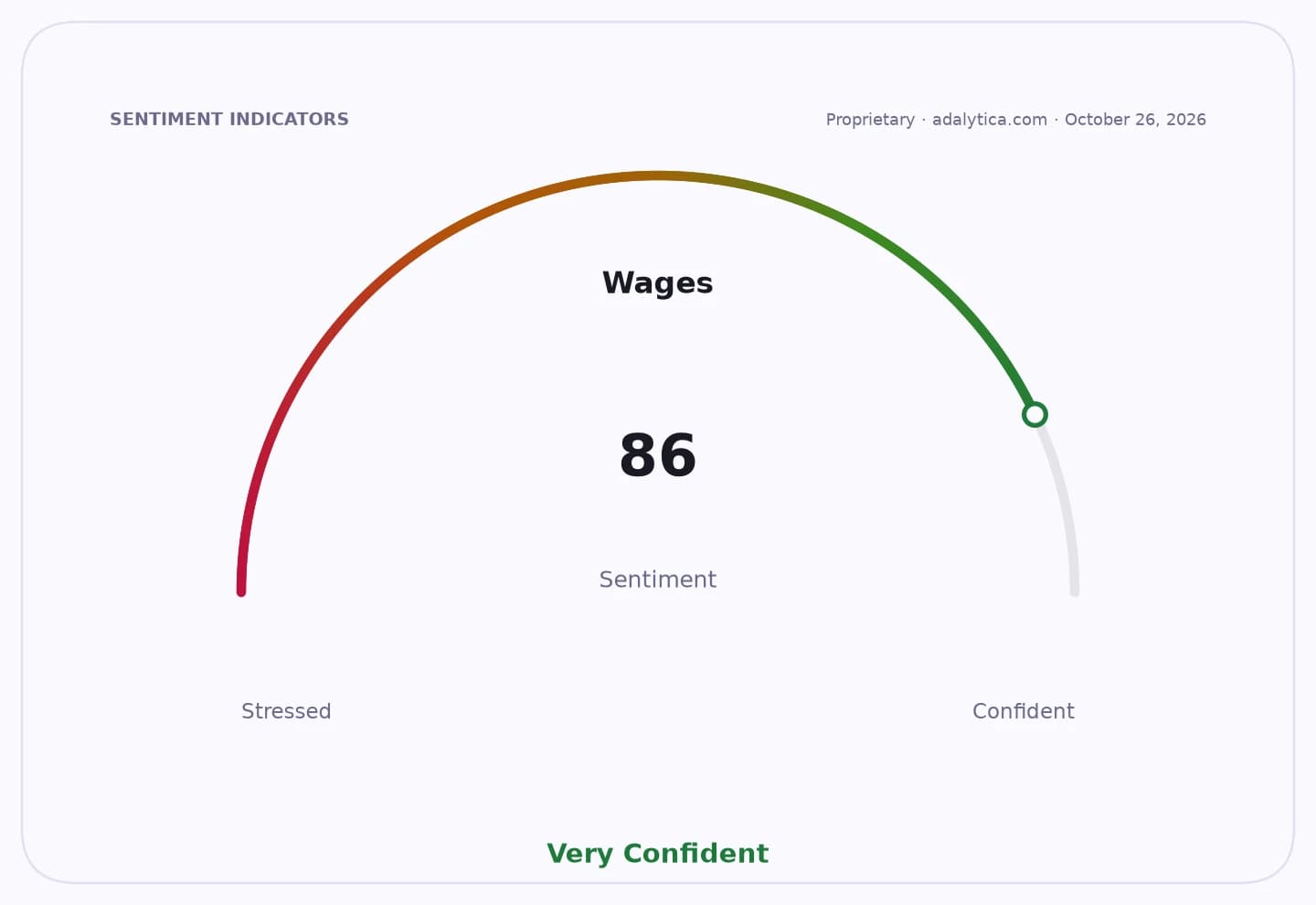
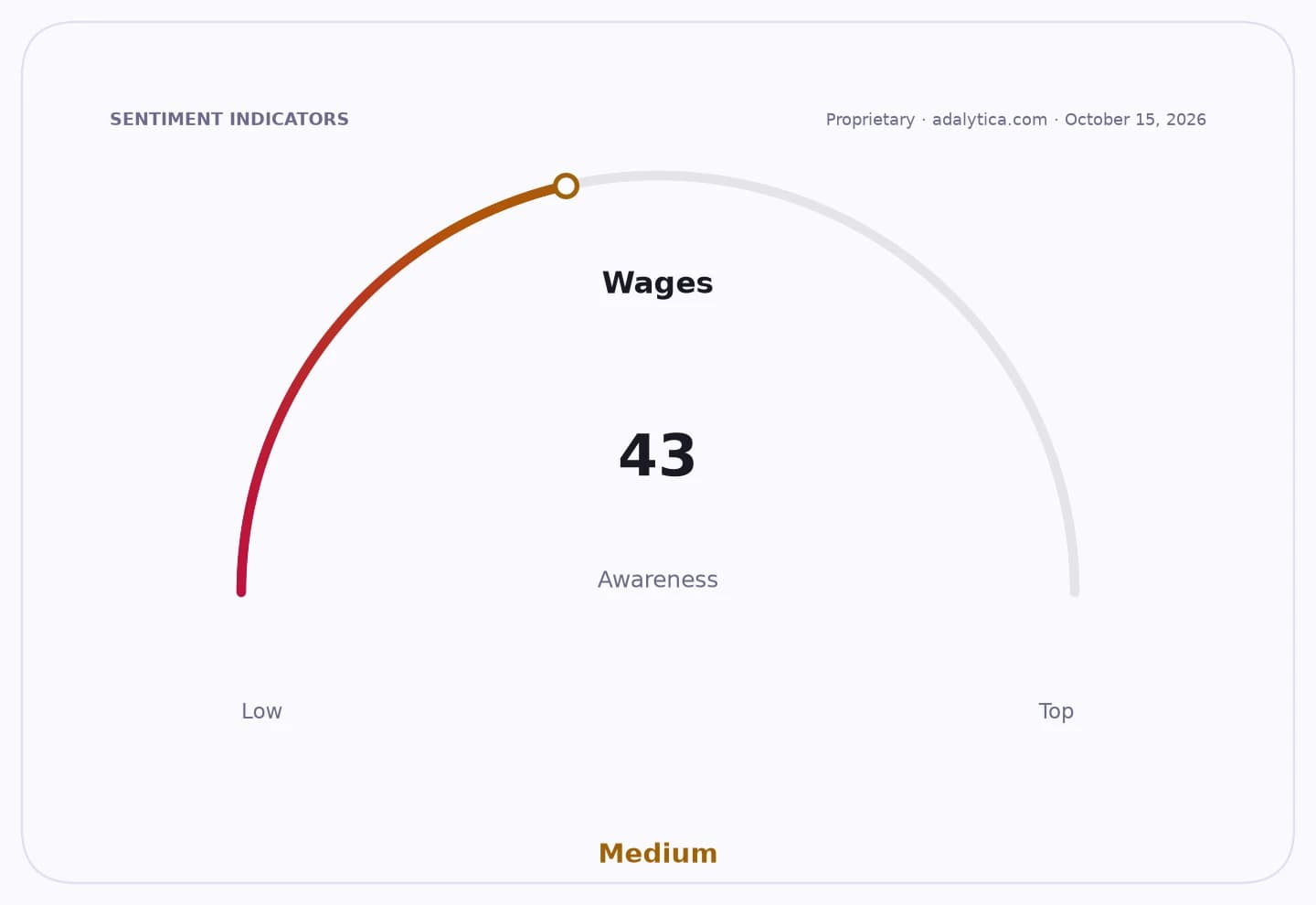
Economically, the timing matters as much as the size. France’s SMIC is the only wage floor that rises mechanically with inflation, and Roland Lescure said the government is discussing whether to move ahead of the usual calendar. That makes the proposal a direct response to inflation and purchasing-power protests, but also a choice about who absorbs the cost first: consumers, companies or the state.
Sentiment Indicators

For workers, an earlier bump would offer immediate relief at a moment when unions are calling for strikes and demonstrations on Nov. 5. For companies, especially those in labor-intensive sectors such as retail, hospitality and food service, it would likely mean higher payroll costs just as executives are warning about a tougher cost environment. Medef chief Patrick Martin has already said another SMIC increase, layered on top of rising labor costs in the social-security budget, could create disorder in businesses.
The political logic is clear. The government wants to ease social tensions around purchasing power, and a wage move is one of the fastest tools it has. But the economic trade-off is less benign. A higher minimum wage can support household spending at the bottom of the income scale, yet it can also compress margins for employers that cannot easily pass on costs. That is why these debates matter to investors well beyond France: wage pressure feeds directly into profitability, pricing power and hiring decisions.
Wages
For markets, the first-order effect is on French consumer and labor-sensitive stocks rather than on the broader euro area. The iShares MSCI France ETF, EWQ, has been volatile, and the latest technical readings show the fund still trading below both its 50-day and 200-day moving averages even after a modest rebound. That reflects how investors continue to balance political noise against the longer-term earnings impact of wages, taxes and domestic demand.
The bigger message is that France is once again using wages as a policy lever to answer social unrest. If inflation stays sticky, a faster SMIC adjustment becomes more likely. Investors should treat that as a reminder that wage policy in France is not just a labor issue — it is a margin issue, a consumption issue and, ultimately, a valuation issue worth watching over the next several quarters.
| Entity | Gains | Losses |
|---|---|---|
| Low-wage workers | ▲More purchasing power | ▼None in the short term |
| French employers | ▲None | ▼Higher payroll costs |
| Government | ▲Softer social tensions | ▼More pressure on budgets and business climate |
| EWQ / French equities | ▲Possible consumer demand lift | ▼Margin pressure and policy uncertainty |