France’s far-right National Rally is heading into the 2027 presidential race with a bigger problem than its rivals: it may have the best polling and the weakest succession plan.
France National Rally 2027 race and Bardella risk
That matters because the RN is no longer a protest movement sitting on the fringe of French politics. It is the only force almost certain to reach the second round, and current polling puts its candidate in the 31% to 36% range in the first round. If Marine Le Pen remains sidelined by her graft conviction, the party’s path to the Élysée will depend on whether Jordan Bardella can turn digital popularity into a national majority — an entirely different test.
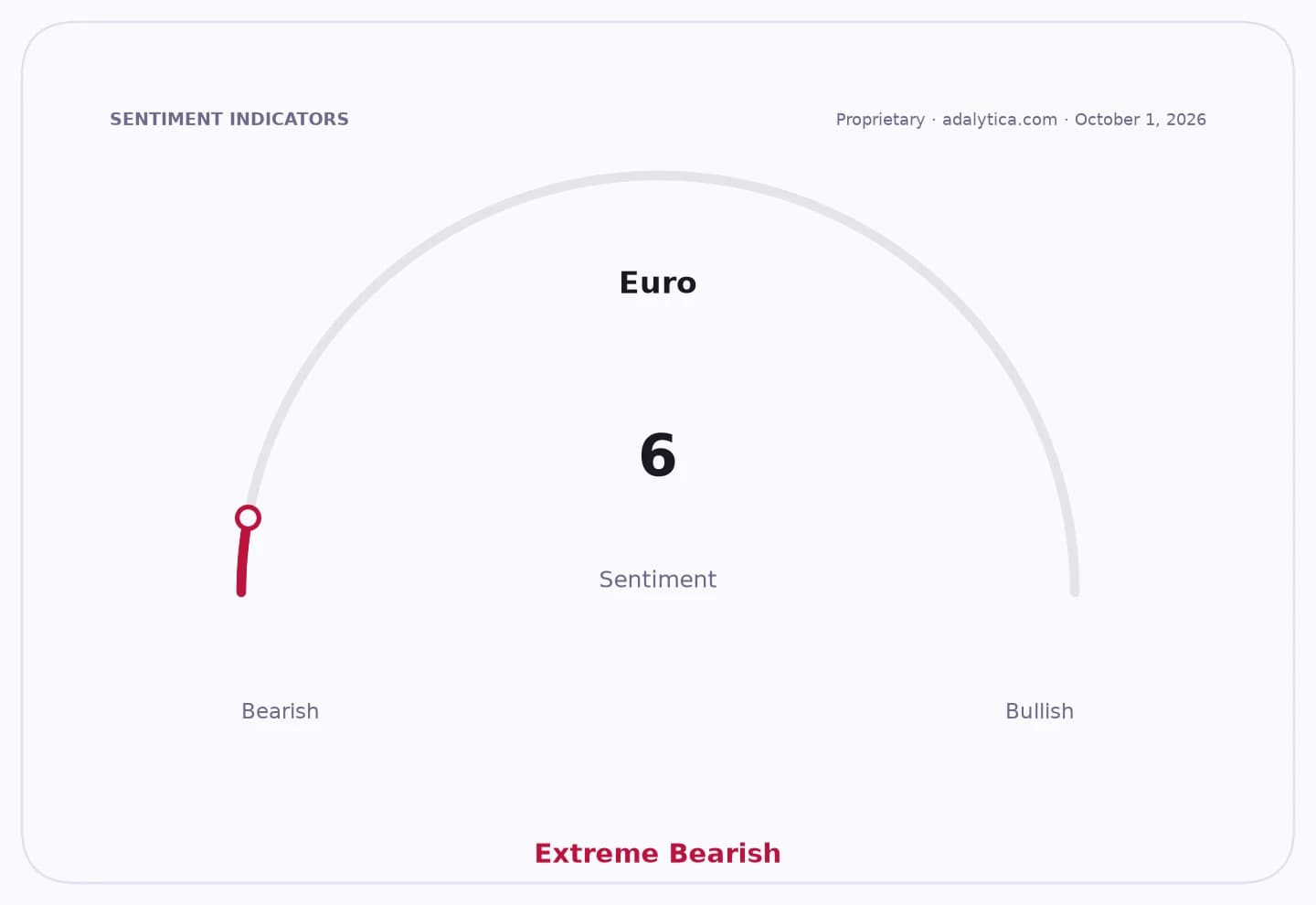
Sentiment IndicatorsⓘProprietary · adalytica.com · October 3, 2026
This is a snapshot — live sentiment, awareness and momentum for 130+ markets update continuously in the dashboard.Open AlphaPulse
The economic stakes are not abstract. France is the euro zone’s second-largest economy, and a National Rally presidency would shape fiscal policy, labor reform, immigration, relations with Brussels and the country’s stance on trade and defense. For investors, that means the 2027 contest is already becoming a pricing question for French assets, the euro and Europe’s political risk premium.
Le Pen’s legal case is the immediate catalyst. In March 2025, she was convicted of embezzling European Parliament funds and barred from running for public office for five years, though she has appealed and is awaiting a July 7 verdict. The party has yet to formally designate a backup, but Bardella, 30, is the obvious choice and is even polling slightly ahead of Le Pen.
That does not make him a natural winner. Bardella has brought a younger, more social-media-friendly face to the RN and helped it to a historic win in the 2024 European elections, but France’s presidential race is not fought on TikTok. It is won by assembling a broad coalition across the first and second rounds, and analysts quoted in the report said the party still lacks an infrastructure for converting online support into votes. Bardella’s inexperience is another risk: he has never worked outside politics and would become France’s youngest leader since Napoleon if elected.
Still, the market should not underestimate how much the RN’s ceiling has risen. Traditional embarrassment about backing the far right is fading, and in a runoff against Jean-Luc Mélenchon, many center-right voters would likely hold their noses and back Bardella rather than vote for the far left. That makes the center and center right — not the left — the RN’s most dangerous opponents.
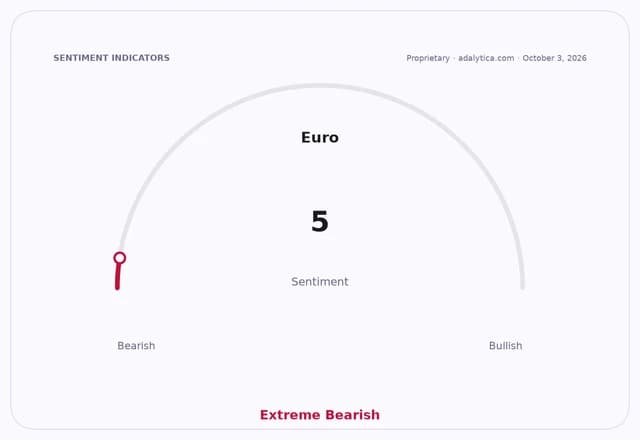
The real market takeaway is that France’s political uncertainty is becoming structural, not episodic. The euro is already flashing stress, with Adalytica’s euro trade signals showing extreme fear at 5, while broader global stability sentiment has swung sharply higher. That combination argues for continued volatility in European political risk assets as the 2027 race approaches and as Le Pen’s appeal verdict lands.
For investors, the asymmetric trade is not to chase the headline but to position for regime change risk in France and Europe. A Le Pen or Bardella breakthrough would likely favor French sovereign spread volatility, defense and border-security themes, and companies exposed to domestic policy shifts. A centrist comeback would relieve pressure, but the RN’s durability means the premium for French political uncertainty is likely to stay elevated well into 2027.
The market is still treating this as a candidate story. It is really a succession story — and succession is where political risk turns investable.
| Entity | Gains | Losses |
|---|---|---|
| National Rally | ▲Broader runoff path | ▼Le Pen conviction risk |
| Jordan Bardella | ▲Youth appeal, fresh image | ▼Inexperience premium |
| Centrist rivals | ▲Anti-RN consolidation | ▼Fragmented first round |
| Euro / French assets | ▲Relief if centrist wins | ▼Higher risk premium |