Gasag will continue supplying Berlin’s public buildings and institutions from 2027 after winning the city’s latest Europe-wide gas procurement tender, locking in one of the capital’s largest public energy contracts and extending a relationship that began in 1847.
Gasag Wins Berlin Public Gas Supply Tender
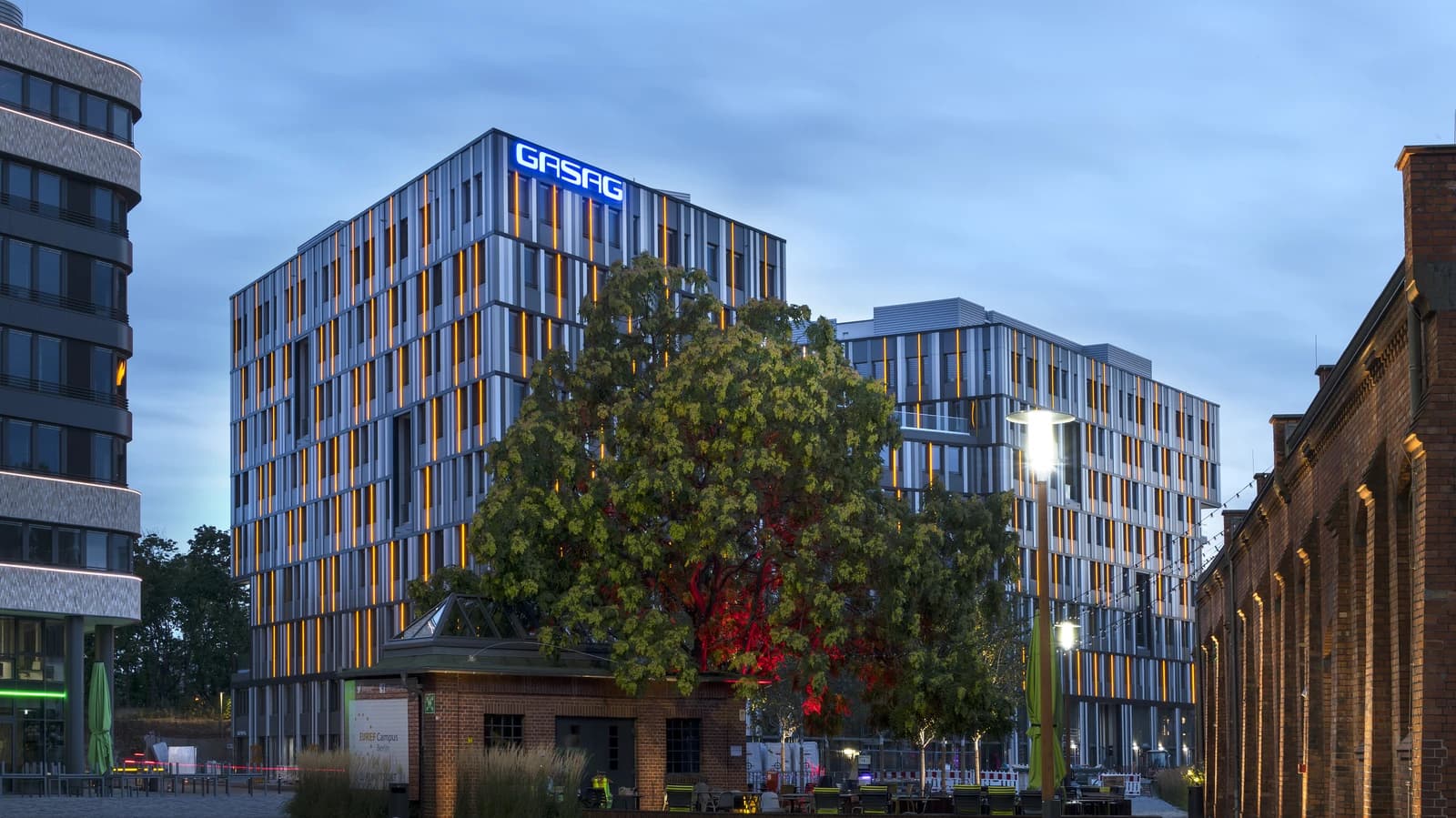
The contract covers about 2,275 delivery points across the state of Berlin and around 712 million kilowatt hours of gas a year, according to the company. That makes the award economically important not because it changes Berlin’s energy mix overnight, but because it preserves a large, recurring utility revenue stream in a market where public-sector customers are typically prized for their scale, payment reliability and visibility.
Sentiment IndicatorsⓘProprietary · adalytica.com · October 8, 2026
This is a snapshot — live sentiment, awareness and momentum for 130+ markets update continuously in the dashboard.Open AlphaPulse
For Gasag, the deal reinforces its position in the capital’s gas supply chain at a time when European utilities are being pushed to balance traditional fuel sales with decarbonisation demands. Public procurement contracts can be thin-margin businesses, but they still matter for network utilisation, cash-flow stability and customer retention, especially when a supplier can use the win to defend a long-held franchise against competitors.
The award also matters for investors because it signals business continuity rather than a loss of share in a core local market. In the utility sector, where growth is often incremental and regulated returns can dominate valuation, retaining a contract of this size reduces execution risk and supports the case for steady earnings. It may not move the stock on its own, but it removes an overhang and confirms that Gasag remains embedded in Berlin’s public supply infrastructure.
Berlin’s decision comes against a backdrop of tighter scrutiny over energy costs, procurement discipline and supply security. Public institutions such as administrative offices and educational facilities depend on predictable heating and energy delivery, so contract awards carry practical weight even as Germany continues to push efficiency gains and lower-carbon alternatives. The scale of the tender suggests Berlin is still relying on gas for a meaningful slice of its public-energy needs in the near term.
The key question now is how long that demand holds as electrification and efficiency programs gain ground. For Gasag, the immediate prize is a four-year extension to a legacy business line; for rivals, the message is that Berlin’s public sector remains a defendable and sizeable account.
| Entity | Gains | Losses |
|---|---|---|
| Gasag | ▲Four-year contract extension | ▼Lost bid upside for rivals |
| Berlin state | ▲Supply continuity | ▼Less pricing competition if limited |
| Public institutions | ▲Stable gas delivery | ▼Continued dependence on gas |
| Competing suppliers | ▲— | ▼Missed large public tender |