The British pound fell below $1.34 against the dollar after stronger-than-expected US hiring data undercut bets that the Federal Reserve will ease policy soon, blunting support from the Bank of England’s latest rate hike.
GBP/USD Falls Below $1.34 After Strong US Jobs Data
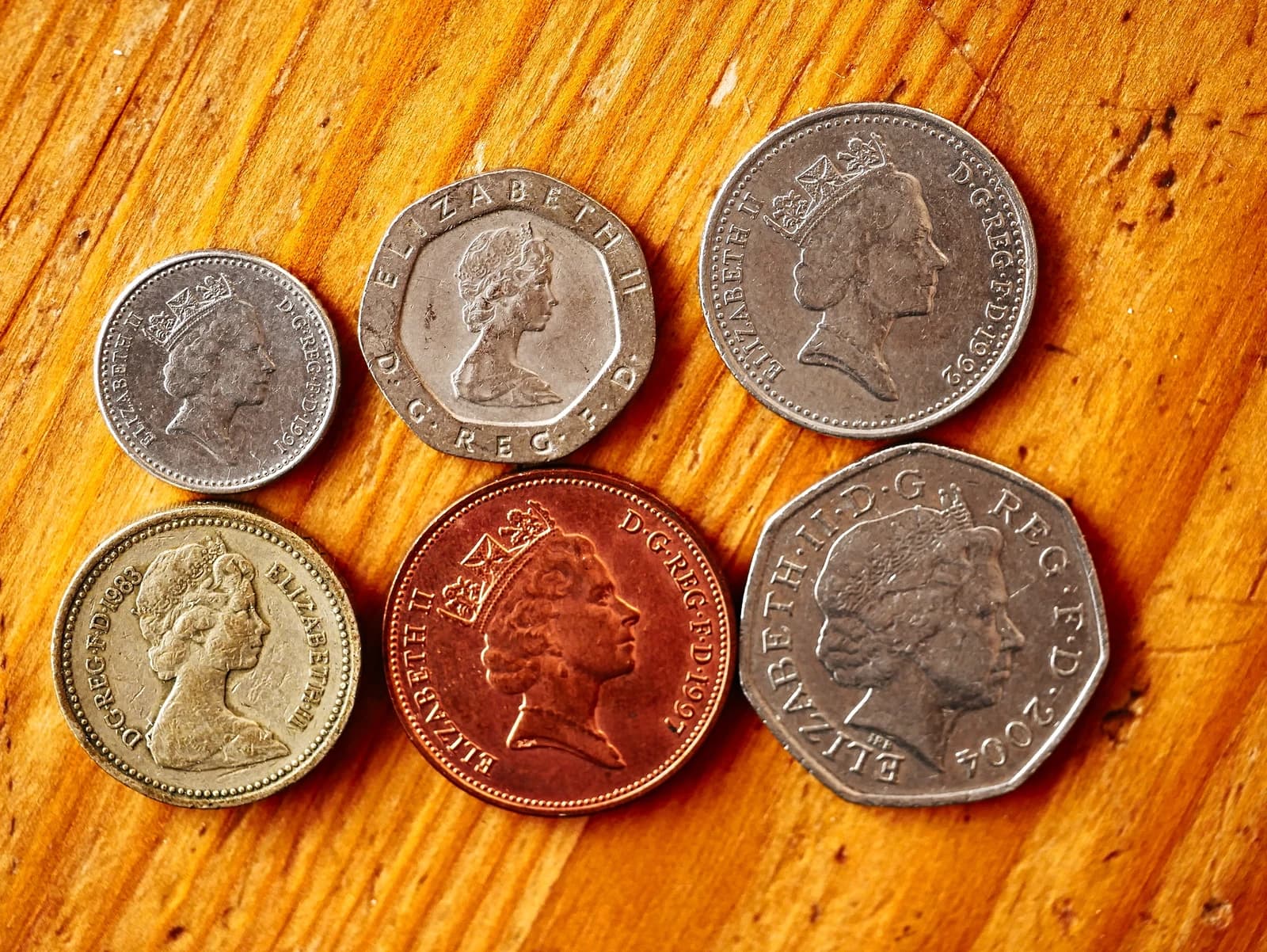
Sterling last traded at $1.3367, down 0.66% on the day, and slipped beneath the $1.3375-$1.3425 band Scotiabank had flagged as a likely short-term consolidation range. The move raises the risk of a deeper pullback toward $1.3275-$1.3325 if selling pressure persists.
Sentiment Indicators
Friday’s US payrolls report showed 165,000 jobs added in October, well above the 70,000 forecast cited by Scotiabank, and revisions added another 84,000 jobs to August and September. That stronger labor market makes it harder to argue the US economy is weakening enough to force the Fed into an earlier or more aggressive easing cycle, keeping the dollar bid and limiting Sterling’s scope to benefit from the BoE’s hawkish turn.
The Bank of England raised Bank Rate to 4% on Thursday, with eight policymakers backing a quarter-point move and Catherine Mann voting for a half-point increase. MUFG said the guidance mattered as much as the hike itself, because the central bank signaled at least one more increase may still be likely, leaving UK yields comparatively supported.
Even so, the pound’s reaction shows that rate differentials are not enough on their own when global risk appetite turns. MUFG warned that a deeper sell-off in AI stocks and tighter financial conditions could hurt Sterling, given its role as a relatively high-yielding G10 currency that tends to suffer when investors cut risk.
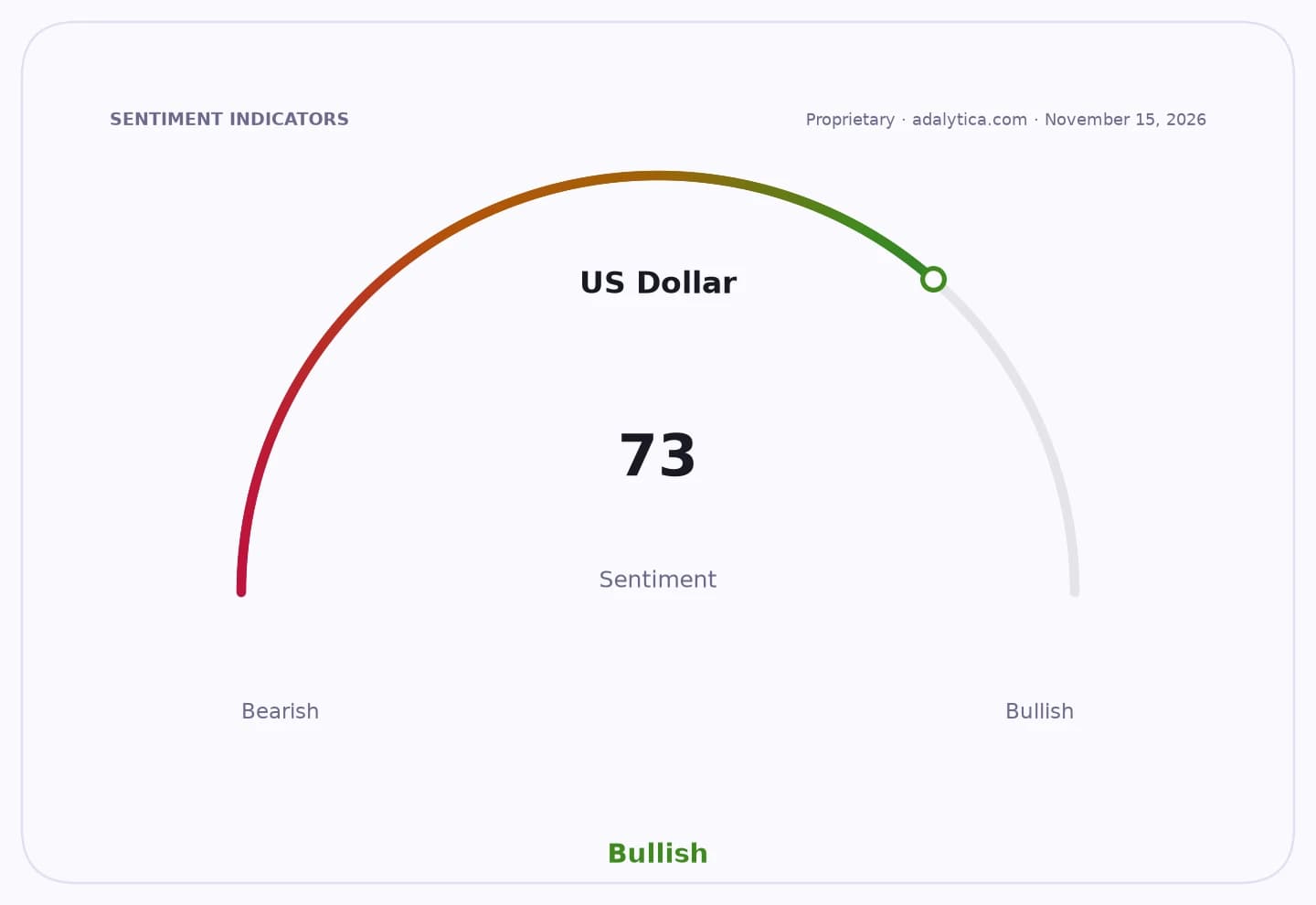
The dollar’s broader backdrop remains constructive, with Adalytica’s US Dollar Trade Signals snapshot showing sentiment at 74, or “Greed,” even as awareness remains neutral. Technical readings on the dollar index also point to firm momentum, with the gauge trading above both its 50-day and 200-day moving averages and holding near recent highs.
For GBP/USD traders, the immediate question is whether Sterling can reclaim the $1.3375-$1.3425 zone or keep sliding toward the low $1.33s. Near term, the pair will likely track the next US inflation data, which could either reinforce dollar strength or reopen the case for a softer greenback if price pressures ease.
| Entity | Gains | Losses |
|---|---|---|
| US dollar | ▲Safer-haven demand, stronger labor data | ▼Fed easing bets |
| UK exporters | ▲Weaker pound boosts competitiveness | ▼Import costs rise |
| UK consumers | ▲— | ▼Higher imported inflation |
| Pound bulls | ▲BoE hawkishness, higher UK yields | ▼Stronger US growth, risk-off flows |