A growing share of Gen Z and millennials are treating wellness as a necessity, but the shift is forcing many to divert money from savings and other essentials as lifestyle inflation collides with limited household income.
Gen Z Wellness Spending Strains Household Budgets
That is the economic significance of a trend that is often framed as a consumer choice but increasingly looks like a budget constraint. In a survey of 300 Gen Z and millennial respondents cited by ANTARA, 53.8% said they exercise to relieve stress, 22.5% to maintain fitness and appearance, and just 1.3% because of FOMO. The message is that spending on gyms, racket sports, yoga, pilates and cycling is no longer just discretionary entertainment; it has become part of a broader household welfare budget.
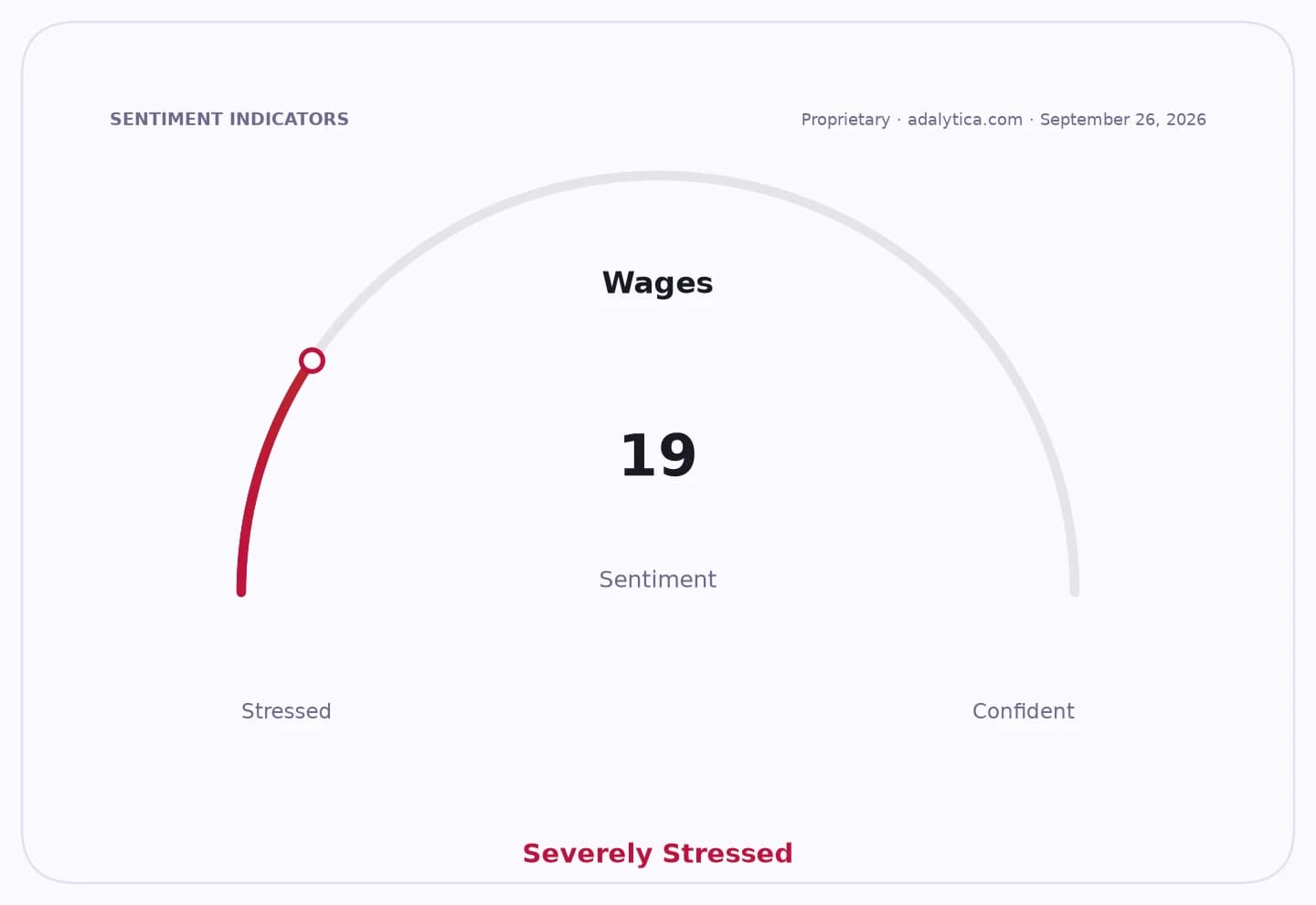
Sentiment IndicatorsⓘProprietary · adalytica.com · September 26, 2026
This is a snapshot — live sentiment, awareness and momentum for 130+ markets update continuously in the dashboard.Open AlphaPulse
The problem is not the absolute amount spent on a gym membership or a pair of running shoes, but the share of income it consumes. Nearly half of respondents, 46.2%, said they keep sports spending below 10% of income, yet 22.1% said the cost is already tightening their finances. Among Gen Z, 10.6% allocate more than 20% of income to sports, about 2.5 times the 4.1% share among millennials. Some are cutting into savings to pay for it.
That matters because the same households are still trying to build emergency buffers, save for long-term goals and cope with higher living costs. In economies where incomes have not kept pace with expectations, lifestyle inflation can quietly crowd out financial resilience. The opportunity cost is real: every rupiah spent on wellness cannot be used for debt repayment, investing or a cash buffer if the household budget is already stretched.
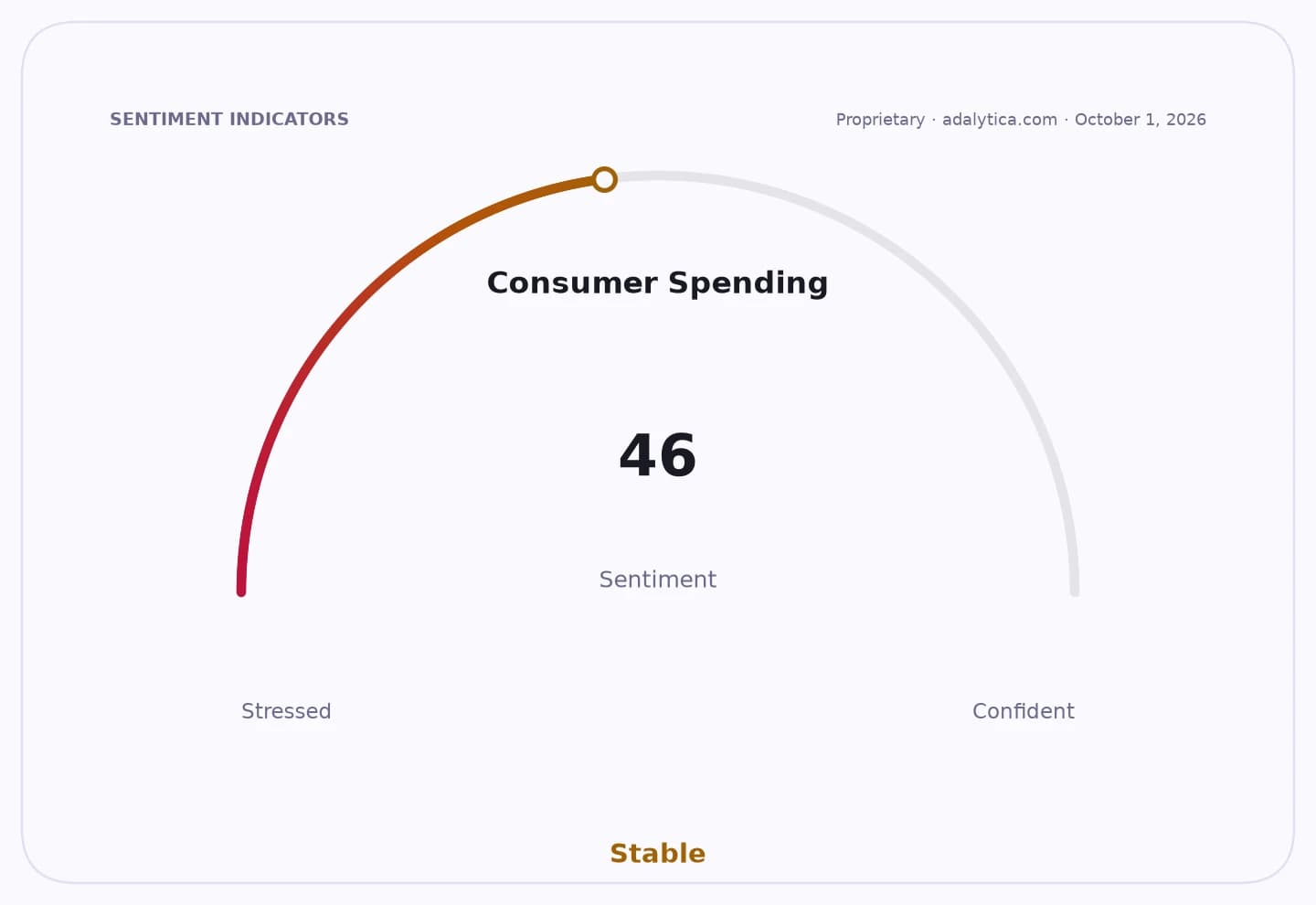
The broader macro backdrop makes the strain more visible. U.S. inflation measures in the data context remain elevated versus pre-pandemic norms, while sentiment gauges from Adalytica on confidence in the Fed’s 2% target, wage inflation and long-term inflation expectations are all in “fear” or “extreme fear” territory. That combination points to a consumer environment in which people are still sensitive to price pressure even as they continue spending on experience-based categories they view as improving quality of life.
For investors, the story is a mixed one. Fitness chains, sportswear brands, wellness platforms and premium lifestyle operators benefit from a cohort willing to spend on health and identity. But the bull case depends on income growth keeping up with aspirations; otherwise, the bear case is that wellness spending becomes one of the first nonessential line items to be trimmed when budgets tighten. The gap between the two is most obvious in younger consumers, who appear most willing to sacrifice savings for lifestyle spending and therefore may also be most vulnerable to a reversal.
The durable takeaway is that wellness is moving from a niche splurge to a recurring household expense, but that does not make it immune to basic household economics. As long as incomes remain finite, the winners will be brands that can offer perceived health benefits without forcing consumers to overextend their balance sheets.
| Entity | Gains | Losses |
|---|---|---|
| Gym and wellness brands | ▲Recurring consumer spending | ▼Budget-constrained households |
| Gen Z consumers | ▲Health and stress relief | ▼Savings and emergency funds |
| Millennials | ▲Balanced wellness budgeting | ▼Overpriced lifestyle commitments |
| Investors in fitness/lifestyle stocks | ▲Revenue growth potential | ▼Demand if spending is cut |