Georgina Energy’s Hussar project is drawing renewed attention because historical drilling data suggests the field already hosts a working gas and hydrocarbon system, a background that can materially shape how investors value the company ahead of new tests. For a junior explorer such as GEX, proof of hydrocarbons in place is not enough on its own, but it lowers one of the biggest geological risks before a modern drill bit goes back in the ground.
Georgina Energy Hussar gas data before new tests
The key point for the market is that Hussar-1, drilled in 1982, recorded strong gas indications, including mud-gas readings above 1,000 ppm in several intervals and trip gas of about 4.6%, while hydrocarbons such as methane, ethane, propane and butane were present. Bitumen was also encountered, and reservoir-quality sandstone was reported with porosity in the 12% to 21% range. The well was stopped at about 2,040 metres in the salt-bearing Browne Formation before reaching the deeper Townsend Quartzite target Georgina is now chasing.
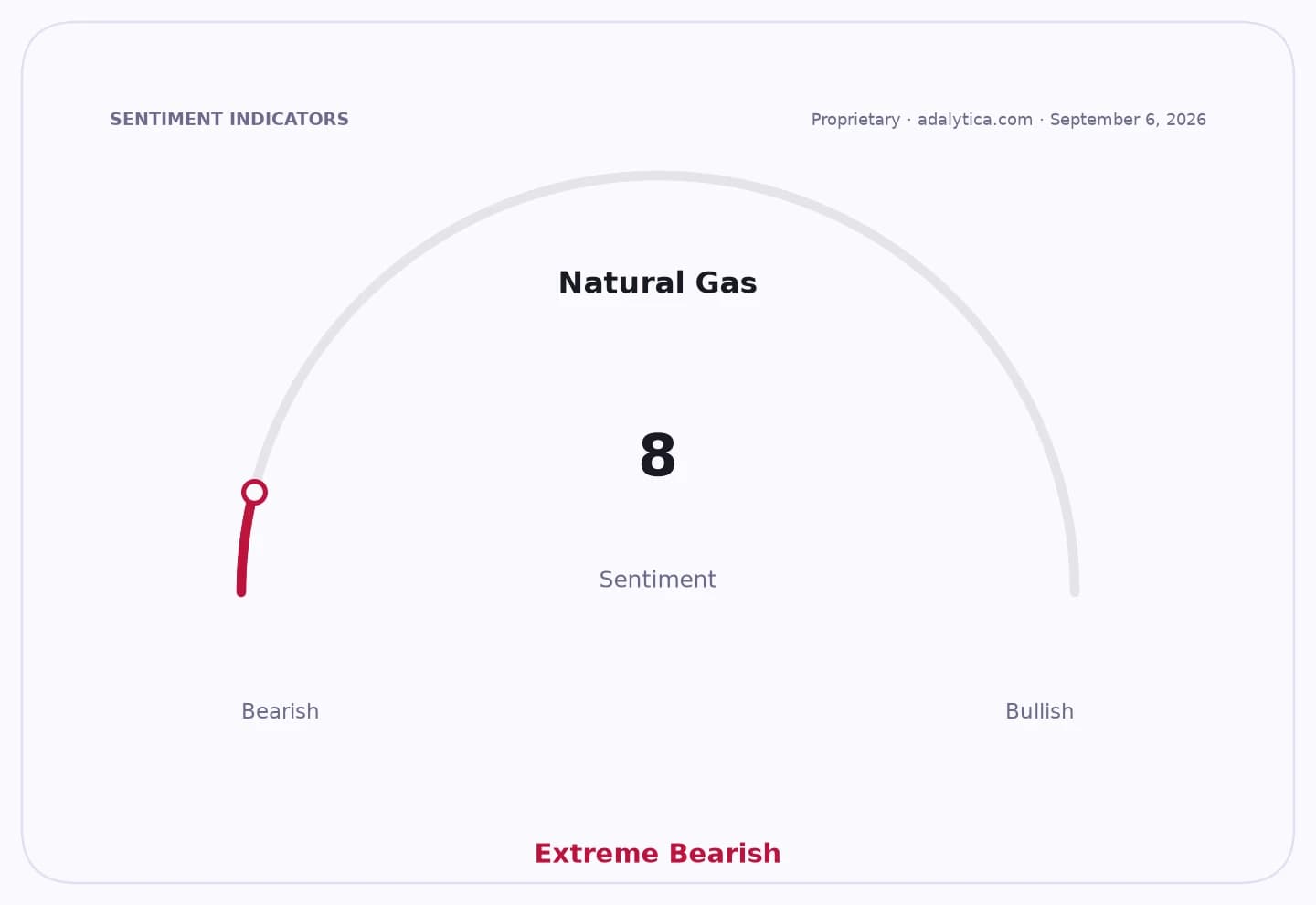
Sentiment IndicatorsⓘProprietary · adalytica.com · September 6, 2026
This is a snapshot — live sentiment, awareness and momentum for 130+ markets update continuously in the dashboard.Open AlphaPulse
That matters because it gives the current Hussar campaign a geological foundation that most frontier wildcat wells do not have. Investors are effectively being asked to back a re-test of a structure that has already shown signs of a live petroleum system, but where the historical hole may have been drilled off the structural crest and never penetrated the deeper subsalt objective. If modern seismic interpretation is right, today’s well could be aimed at a better part of the trap than the 1982 attempt.
For equity holders, that distinction is critical. A confirmed subsurface system can shift the valuation debate from pure speculation about source rock and migration to the harder question of commerciality and flow rates. In small-cap explorers, that is often where the first real rerating comes from: not from oil or gas prices alone, but from evidence that the reservoir can actually produce and that the target was not fully tested before.
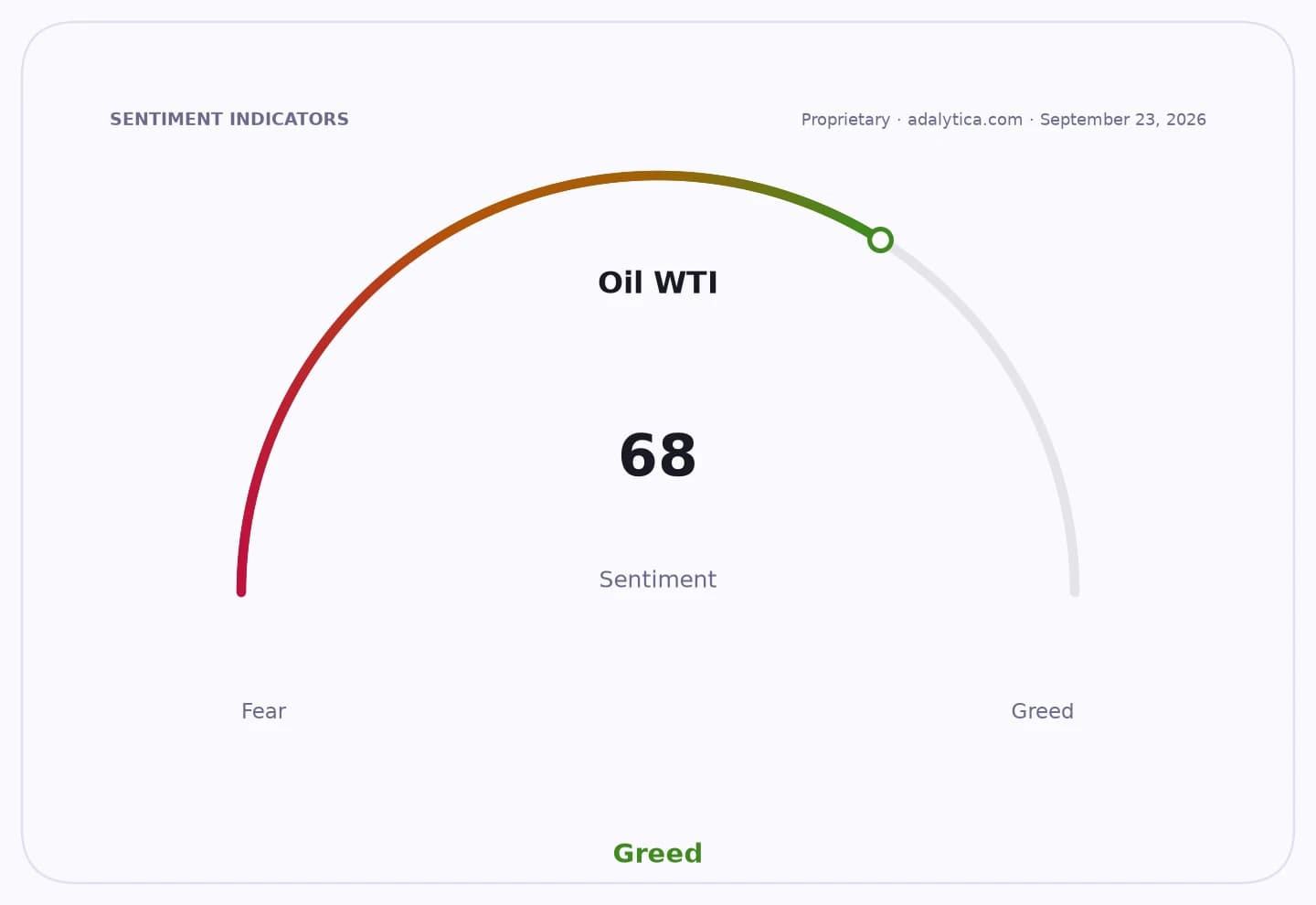
The broader market backdrop is still supportive for gas-linked stories. WTI prices are elevated, natural gas remains volatile, and energy equities have had room to run, with the XLE ETF trading well above both its 50-day and 200-day moving averages. But junior explorers do not trade like integrated producers; they move on drilling milestones, funding credibility and the likelihood of an independently verified discovery. That leaves Georgina’s recent placings, and the debate around whether they were necessary so close to drilling, as part of the investor story as much as the geology.
The bull case is straightforward: Hussar’s historic gas shows, combined with a deeper target and a potentially better drill location, create the possibility of a material rerating if the next well confirms commercial hydrocarbons. The bear case is equally clear: 1982 data proves only that hydrocarbons were present, not that the deeper target will flow at economic rates, and any financing before drill results raises the usual dilution risk for holders.
For investors, the next catalyst is not the old data itself but whether the upcoming campaign converts that legacy evidence into a modern commercial result. Until rig mobilisation, spud and initial flow indicators are in hand, Hussar remains a high-risk, high-reward exploration story rather than a de-risked development play.
| Entity | Gains | Losses |
|---|---|---|
| Georgina Energy | ▲Better pre-drill geology | ▼Financing skepticism |
| Existing holders | ▲Re-rating upside | ▼Dilution risk |
| Short sellers | ▲Lower if drilling disappoints | ▼Higher if discovery lands |
| Oilfield service providers | ▲Near-term drilling spend | ▼Less if project stalls |