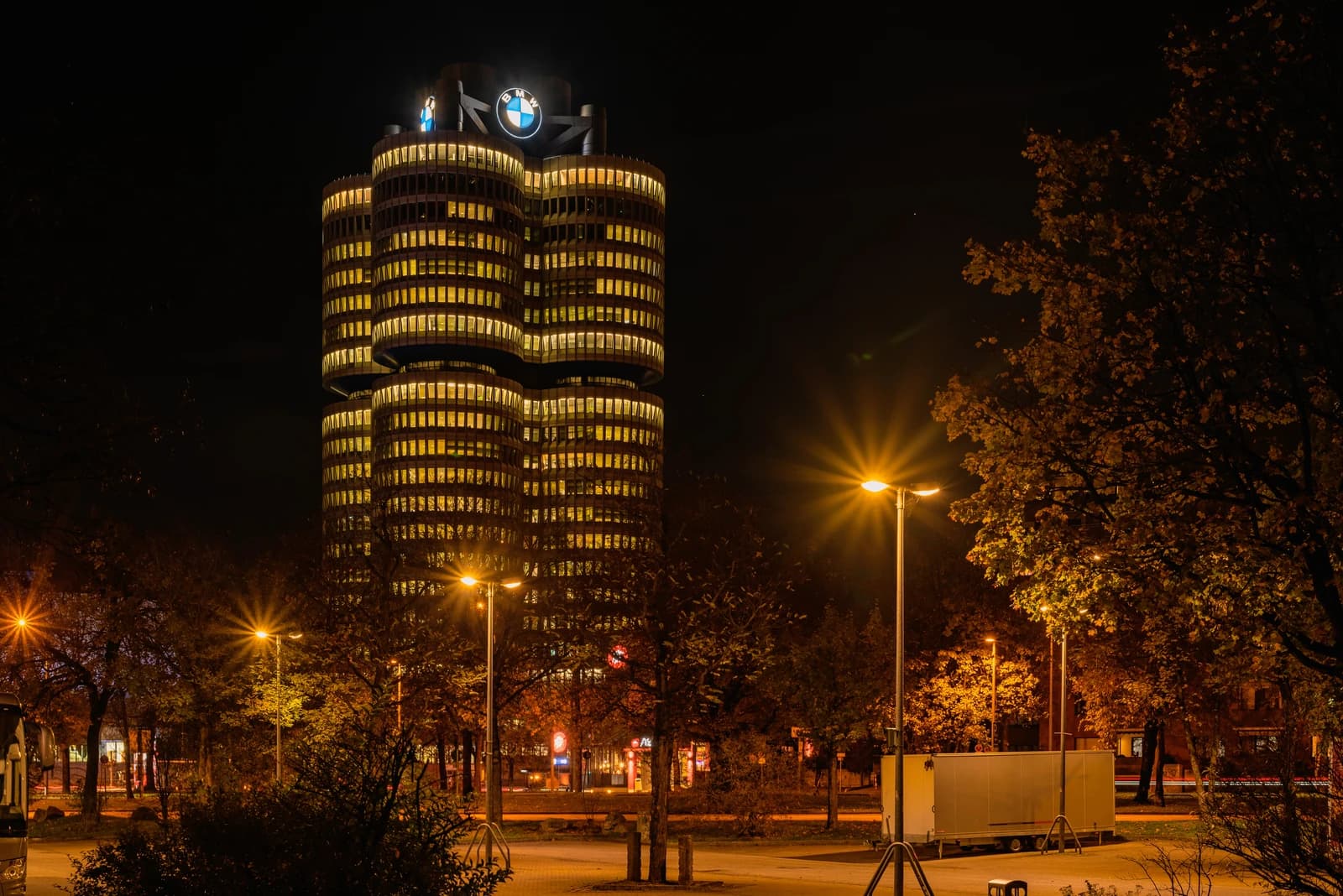
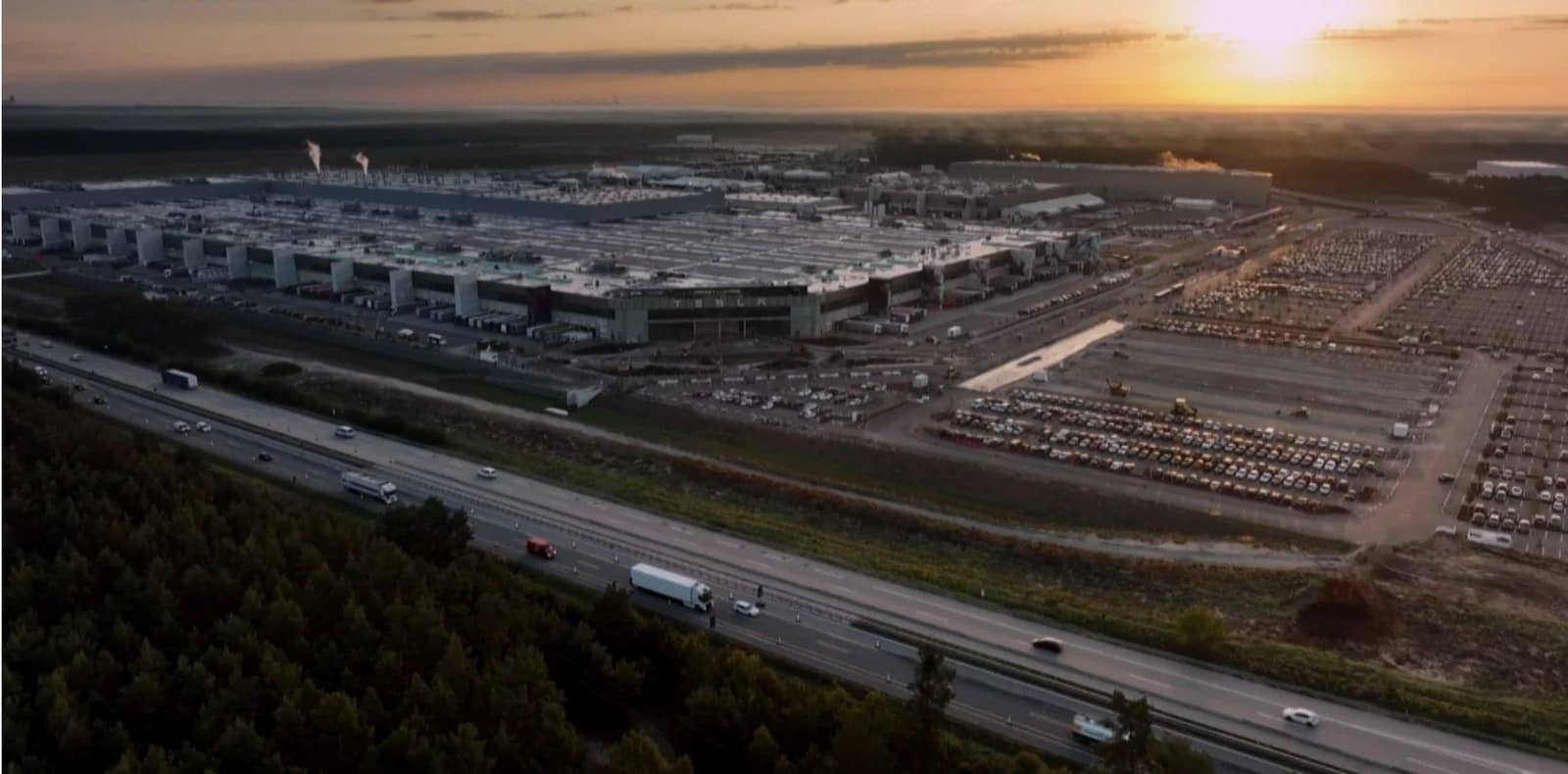
German fleet buyers are increasingly open to Chinese cars, but the move from interest to actual purchases will hinge on whether BYD, MG and rivals can undercut domestic brands by enough and build a credible service network.
German Fleet Buyers Open to Chinese Cars
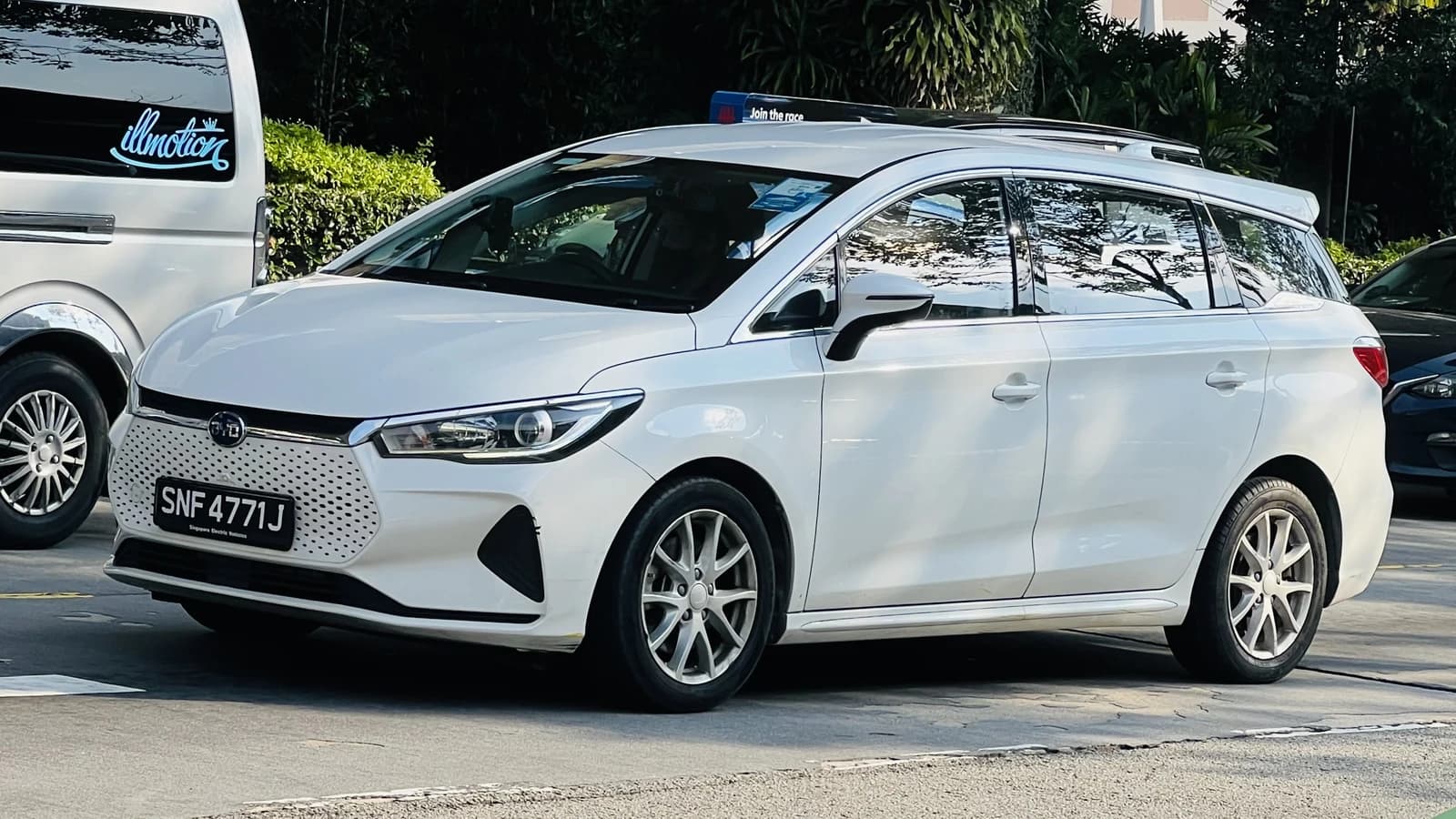
A survey of companies that use official cars found 58% can imagine adding a Chinese-made vehicle to their fleet over the next three years, while only 25% ruled it out and 17% remained undecided. The results point to a potential crack in the home market fortress that has long protected BMW, Audi, Mercedes-Benz and Volkswagen from imported challengers.
Sentiment Indicators
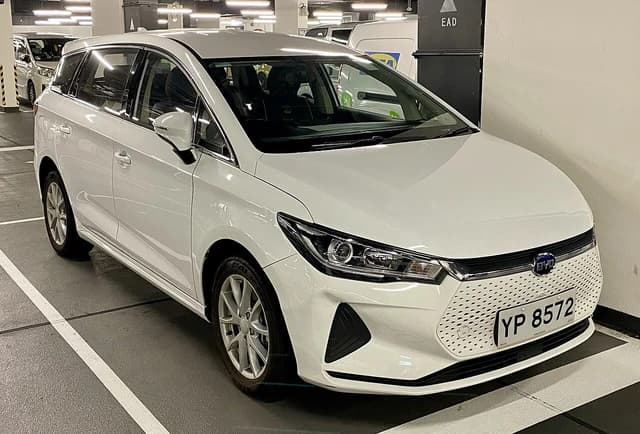
The most striking finding is among the people who actually make the buying decisions. Of fleet managers and others directly involved in procurement, 79% said they are open to Chinese cars and a quarter already plan to buy one, suggesting the real barrier is not brand awareness but trust, pricing and after-sales support.
That matters because German corporate fleets are a major and high-margin battleground for premium automakers. Fleet orders help support volumes, keep factories running and feed the used-car market, so even a modest shift toward Chinese brands could pressure pricing and margins across Europe’s biggest auto market.
The survey, conducted by Omniquest for MHC Mobility and reported by Auto Bild, suggests cost is still the strongest selling point. Twenty-nine percent cited lower purchase and operating costs, 27% pointed to technology and equipment, and 19% highlighted electric-vehicle expertise. But buyers do not expect small discounts: 32% want a Chinese model to be 10% to 20% cheaper than a comparable rival, and 26% want more than 20% off.
That gives Chinese manufacturers a narrow path in Germany. The brands are still tiny in company-car registrations, with Dataforce putting their market share at about 1.4% at the start of 2026, but the survey implies demand is running far ahead of sales.
The obstacles are equally clear. About 26% of respondents said an underdeveloped service and repair network is their biggest concern, 22% cited political uncertainty such as possible tariffs, and 20% flagged data protection and IT security. For fleet buyers, reliability after the sale may matter as much as sticker price.
For investors, the message is that the threat from Chinese automakers in Europe is no longer theoretical. If BYD, MG and other entrants can prove cheaper ownership, adequate servicing and enough perceived quality, they could take share not just from Chinese rivals but from Volkswagen, BMW and Mercedes in one of their most profitable customer pools.
Volkswagen and Mercedes-Benz shares have both been under pressure in recent trade, with their technical indicators still showing stock prices below the 200-day moving average, underscoring how much skepticism already surrounds the sector. The next test will be whether Chinese brands can turn survey interest into fleet contracts, and whether European automakers respond with deeper discounts, better EV offerings or stronger service packages.
| Entity | Gains | Losses |
|---|---|---|
| BYD, MG and other Chinese automakers | ▲Wider German fleet access | ▼Low current share limits momentum |
| BMW, Audi, Mercedes-Benz, Volkswagen | ▲Time to defend fleets | ▼Pressure on premium pricing and share |
| German fleet managers | ▲Lower costs and more choice | ▼Service gaps and residual-value risk |
| European service networks | ▲Higher demand if expansion follows | ▼Need heavy investment to catch up |