German shares are being pushed into a classic defensive rotation as higher bond yields and surging oil prices hit banks, tech and other cyclical names, while telecom, health care and consumer staples attract the money fleeing risk.
German stocks rotate into defensives as yields rise
That is the key message behind Tuesday’s “crisis reallocations” on the German stock market. Traders described a familiar flight to safety: banks and technology stocks fell as much as 3%, while telecom and health-care shares rose about 1.8%, and food and household-goods names also held modest gains. For investors, the move matters because it shows the market is once again pricing in tighter financial conditions, weaker growth sensitivity and a less forgiving environment for stocks whose valuations depend on cheap money.
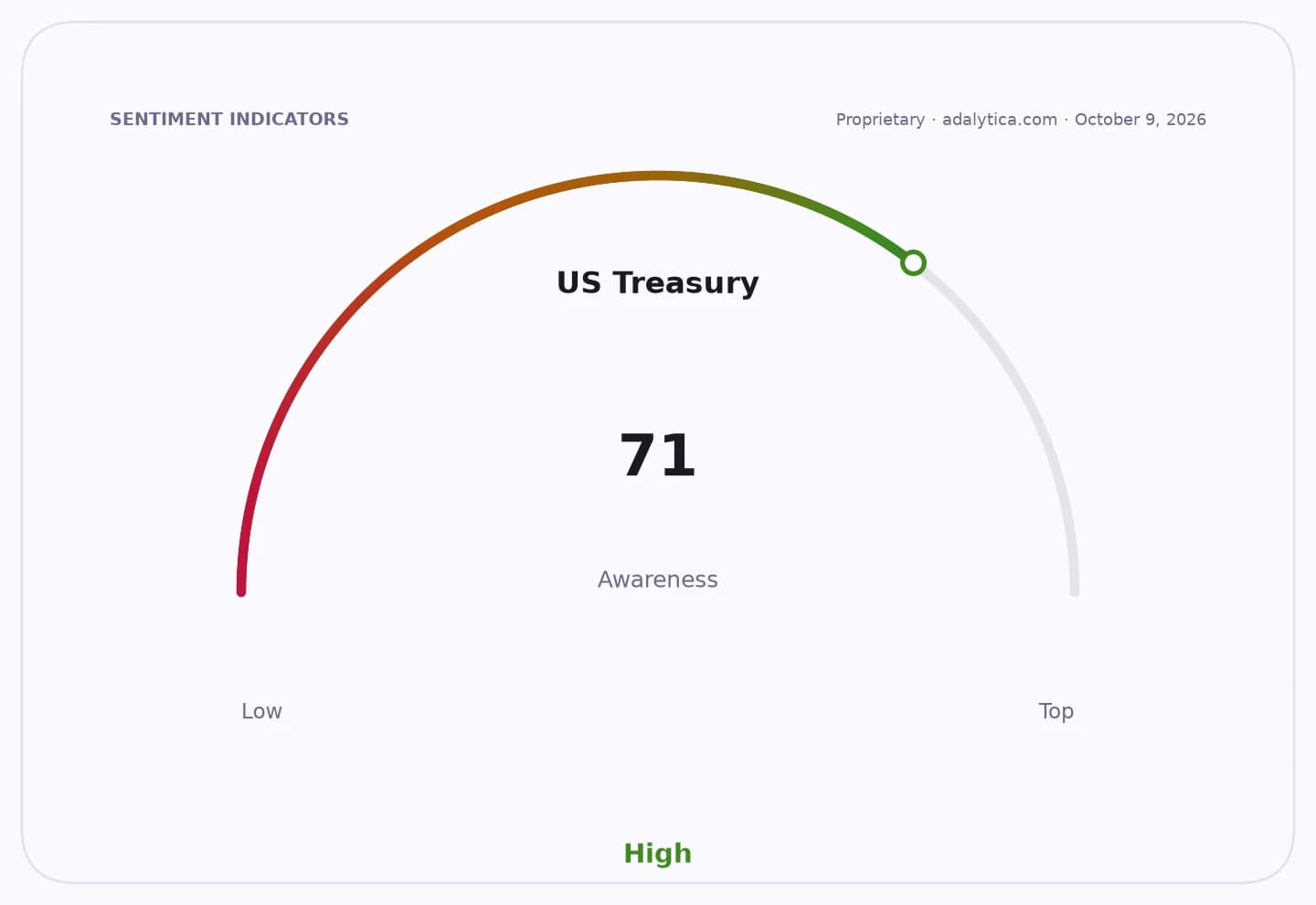
The trigger is straightforward enough. Ten-year US Treasury yields are climbing toward their highest levels in years, with the 30-year benchmark back near 2002 highs, while Brent crude has pushed above $100 a barrel again. That combination hurts the most rate-sensitive corners of equity markets and feeds worries that energy costs will keep inflation sticky. In Germany, the effect is amplified because the Dax is more exposed to industrials, exporters and banks than the more defensive US indices.
The broader market tone is already fragile. The Dax was down around 1% near midday, and the Euro Stoxx 50 was off by a similar amount, as investors also waited for the Federal Reserve’s latest meeting minutes. In the US, the Dow opened nearly 1% lower, while the S&P 500 and Nasdaq slipped about 0.5%, after a run of record highs had been powered by easing in bond yields and oil. That earlier relief rally is now being unwound.
For long-term investors, this is a reminder that markets don’t move in straight lines, even in a structurally positive story such as AI, electrification and digital infrastructure. Rising yields can interrupt the path, especially for expensive growth shares, but they also create opportunities. Defensive sectors can outperform in bursts, while quality companies with strong cash flow and pricing power tend to prove more resilient than highly leveraged or valuation-stretched names.
The German market backdrop reinforces that point. Mercedes-Benz is still struggling in China even as its EV sales jump, Puma is getting a strategic backing from Anta Sports, and Porsche is trying to rebuild margins with cost cuts and more premium models. That mix of stress and adaptation is exactly what investors should expect in an economy facing higher financing costs, volatile energy markets and uneven demand. The message for patient investors is not to chase every rally or panic on every pullback, but to focus on balance-sheet strength, durable franchises and businesses that can compound through the cycle. This rotation into safe havens is worth watching, but so is the quality that often emerges after it.
| Entity | Gains | Losses |
|---|---|---|
| Telecom and health-care stocks | ▲Defensive inflows | ▼Cyclical underweights |
| Banks and technology shares | ▲— | ▼Higher-yield pressure |
| Oil producers and refiners | ▲Higher crude prices | ▼Fuel-cost-sensitive consumers |
| Patient long-term investors | ▲Better entry points | ▼Short-term volatility |