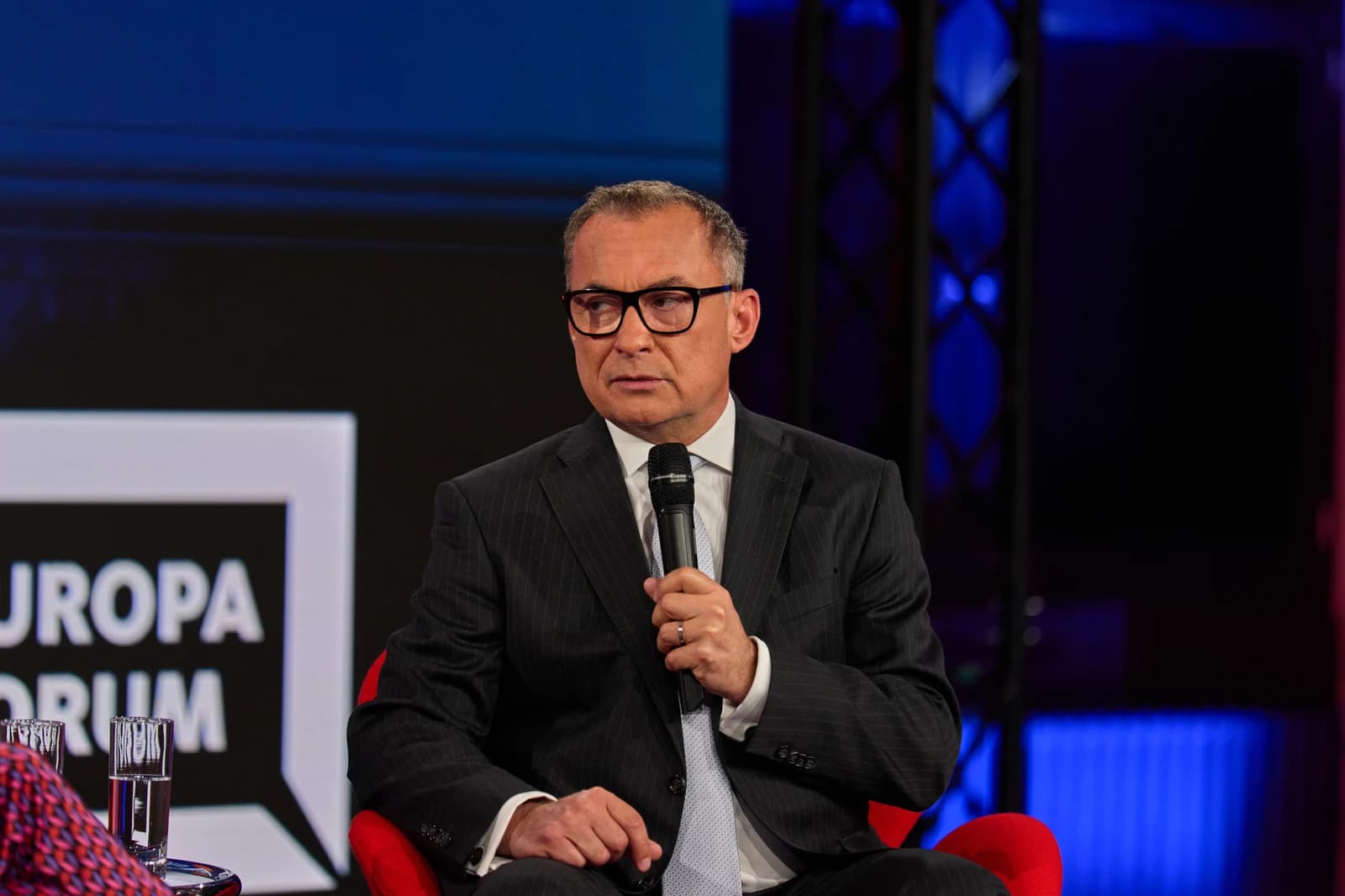
Germany’s far-right AfD is laying out a plan to shut the country’s borders and leave Europe’s passport-free Schengen zone if it wins power, a move that would be far more than a campaign slogan for investors in Europe’s largest economy.
Germany AfD Border Plan Raises Schengen Risk
Why does that matter? Because Germany sits at the center of the continent’s trade, labor and logistics network. Reintroducing hard border controls would slow the movement of goods, workers and commuters, raise operating costs for companies that depend on cross-border supply chains and add another layer of friction to an already fragile European growth story. For long-term investors, this is not just about immigration politics; it is about whether Europe’s most important economy becomes more closed, less efficient and potentially more volatile.
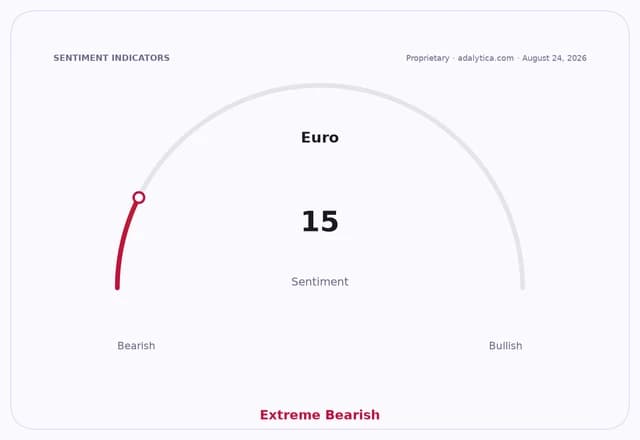
Sentiment IndicatorsⓘProprietary · adalytica.com · August 24, 2026
This is a snapshot — live sentiment, awareness and momentum for 130+ markets update continuously in the dashboard.Open AlphaPulse
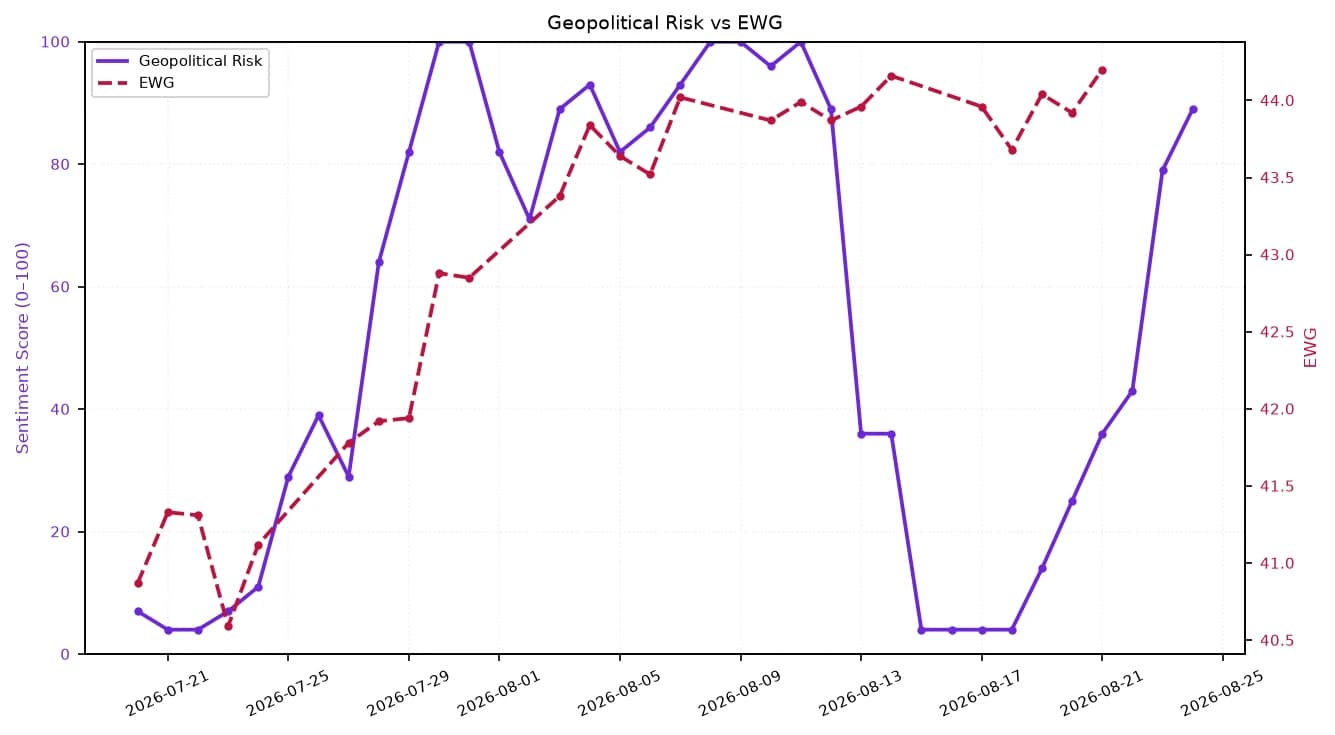
The market has already been forced to think about that kind of risk. The iShares MSCI Germany ETF, ticker EWG, has climbed to about $44.20, above both its 50-day and 200-day moving averages, but recent technical readings also show the rally has become stretched, with the relative strength index in the low 60s and the shares hovering near the top of their recent Bollinger Band range. In plain English, investors have been buying German equities, but they are also paying up at a moment when policy uncertainty is rising.
That tension matters because Germany is not just another European market. It is the region’s industrial engine, a hub for autos, chemicals, machinery and exports that rely on the smooth flow of trucks, parts and labor across borders. If a future government were to pull Germany out of Schengen, companies could face longer delivery times, higher compliance costs and more pressure on margins. Banks, retailers and transport firms could also see an operational hit, while firms tied to domestic demand may look relatively more insulated.
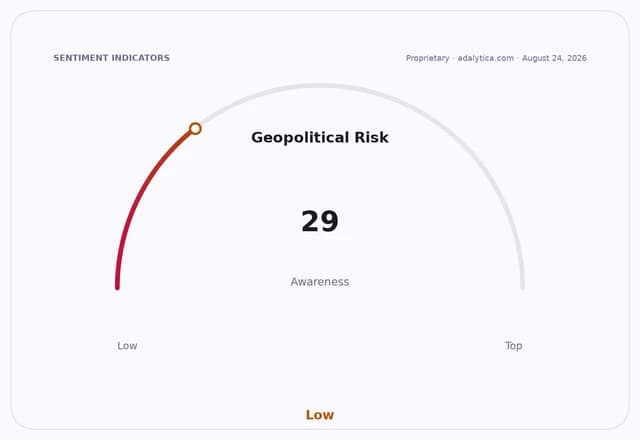
There is also a broader investment lesson here. Political risk in Europe is no longer confined to the periphery. When a mainstream poll-leading party talks about dismantling one of the EU’s signature achievements, it raises the odds of policy fragmentation, not just in Germany but across the bloc. That tends to support the case for diversification rather than concentrated bets on one country or one sector.
For investors, the key question is not whether this proposal becomes law tomorrow. It is whether the political center in Europe can keep enough support to preserve the open-border framework that helped power decades of growth. If it cannot, companies dependent on integrated European trade will face a tougher decade. That makes Germany worth watching, but with a long-term lens and a healthy respect for policy risk.
| Entity | Gains | Losses |
|---|---|---|
| Domestic populists | ▲Stronger anti-immigration message | ▼Institutional credibility |
| Border-control firms | ▲More demand for checks and security | ▼Open-border trade flows |
| Exporters and logistics groups | ▲Little to gain | ▼Higher costs and delays |
| German consumers and workers | ▲Tighter labor-market politics for some | ▼Easier travel and lower friction |