Germany is preparing a roughly €750 billion spending push on defense and industry through 2030, a shift that could reshape Europe’s growth engine, revive industrial demand and rerate defense suppliers if Berlin can turn rearmament into real production capacity.
Germany Plans €750 Billion Defense and Industry Push
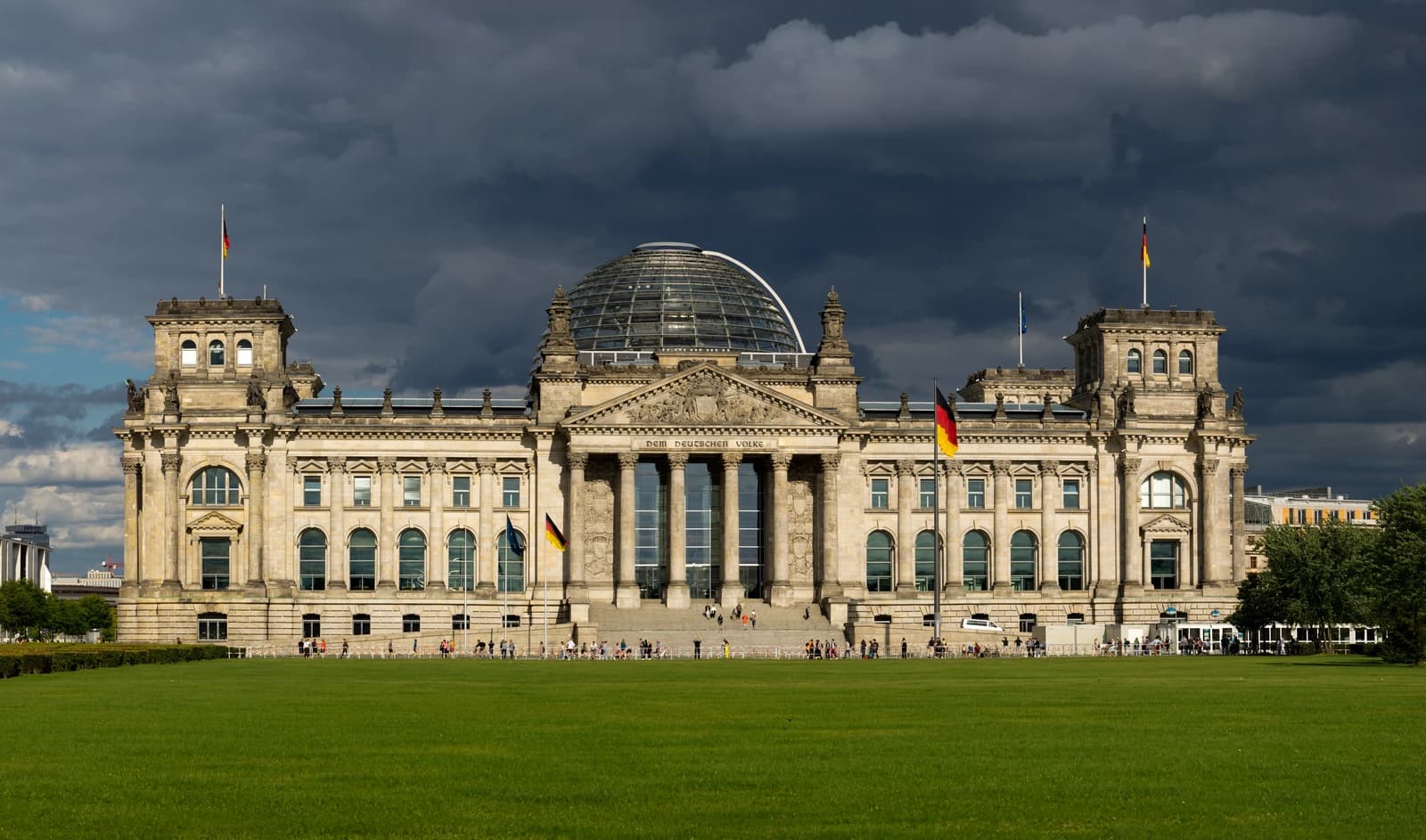
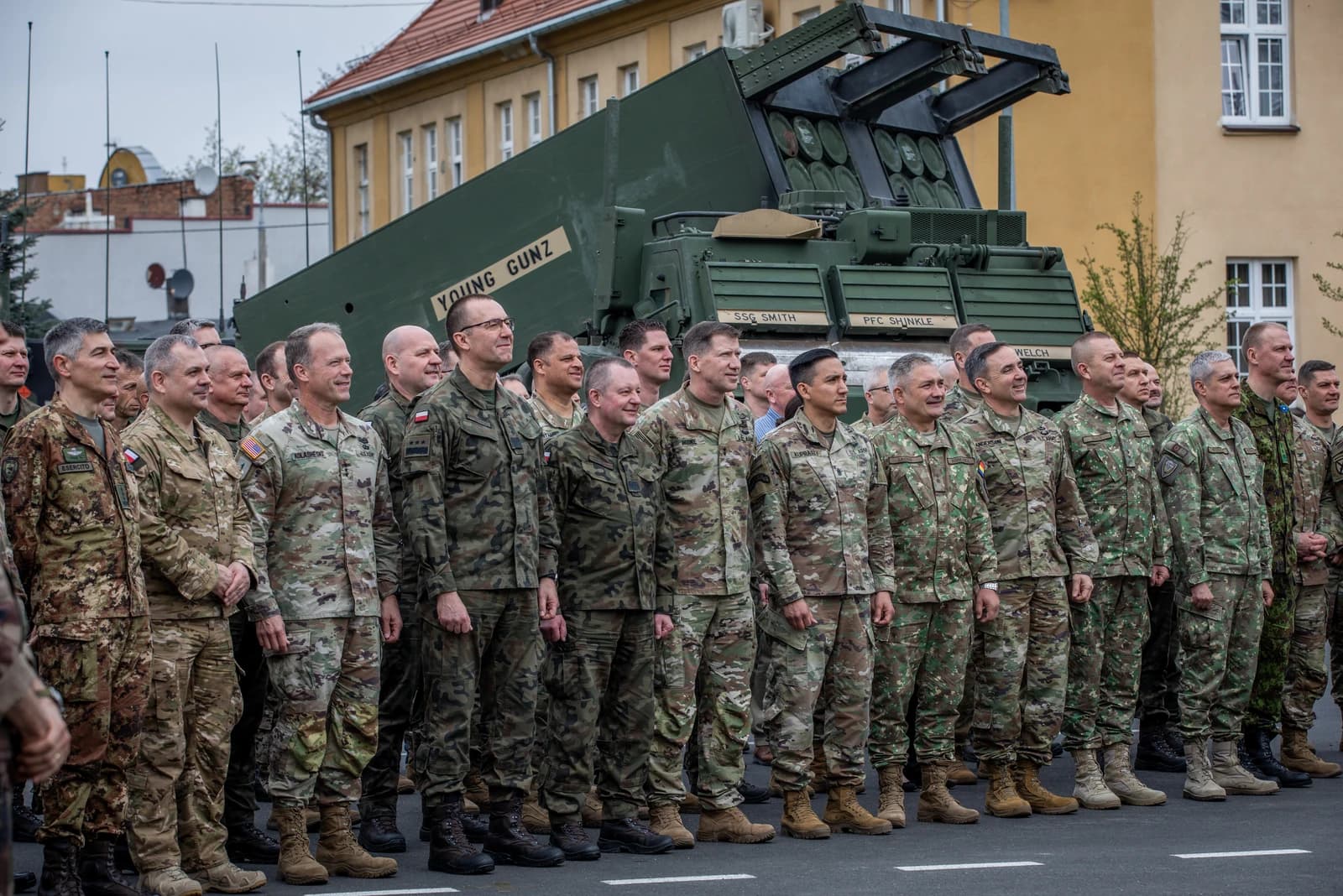
The scale matters because this is no longer a marginal budget tweak. Germany is talking about moving defense spending from about €46.6 billion in 2021 to €86.5 billion in 2025, while linking the surge to a broader industrial reset at a time when the country’s manufacturing base is under pressure from China, weak domestic growth and doubts about long-term U.S. security guarantees.
Sentiment Indicators

For investors, that combination is powerful. Europe’s largest economy is effectively promising a state-led capex cycle, and markets tend to reward periods when governments become the dominant buyer in strategically important sectors. Defense names, advanced manufacturers, software and infrastructure suppliers all stand to benefit if this turns into a multi-year procurement pipeline rather than a one-off political announcement.
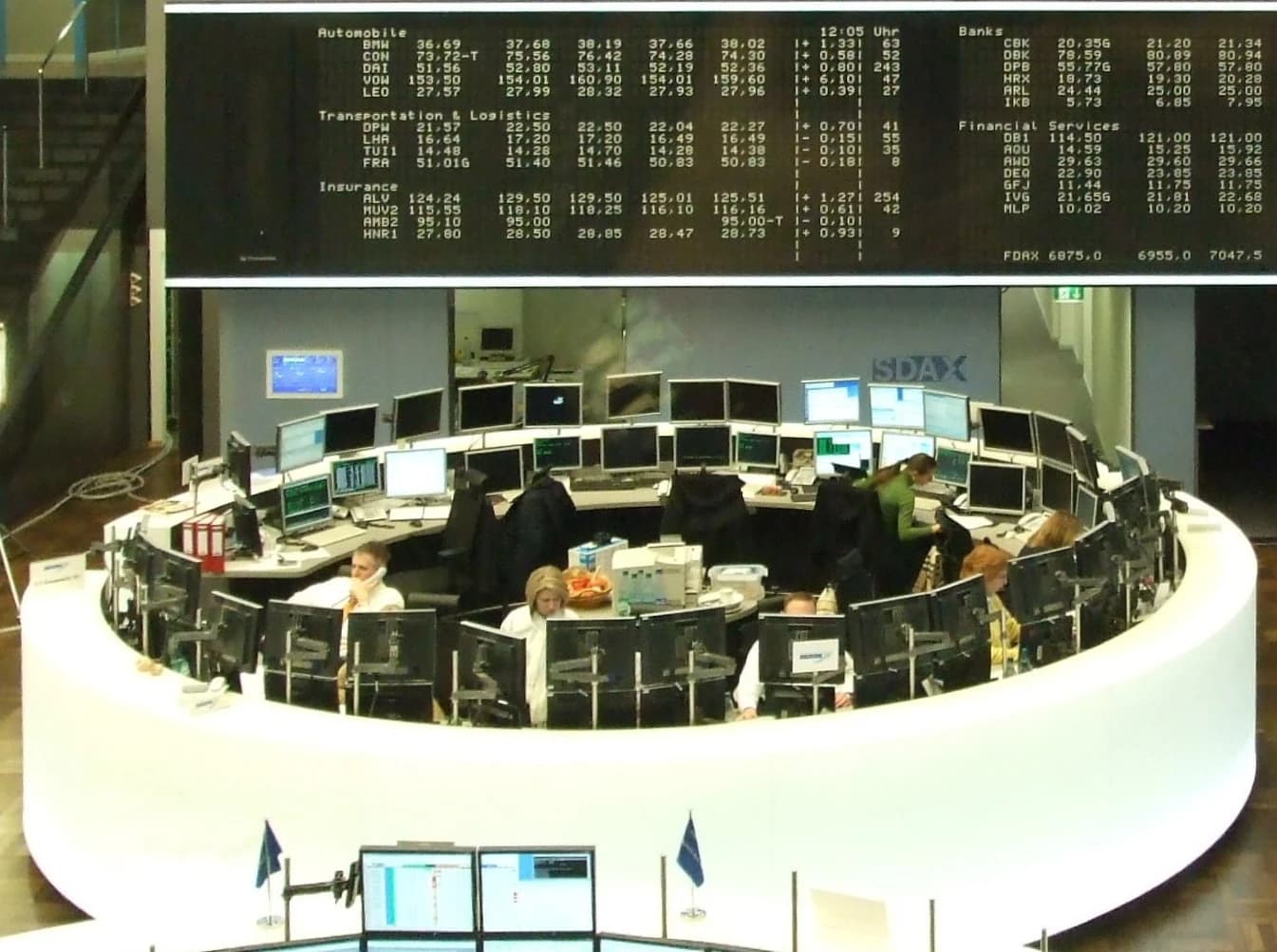
The market is already pricing some of the story in. Germany-focused equity exposure through the EWG ETF has climbed back above its 50-day and 200-day moving averages, while momentum has turned positive after a volatile stretch. That does not mean the rerating is finished. It means investors are starting to recognize that fiscal reindustrialization, not just monetary policy, is becoming the real macro trade in Europe.
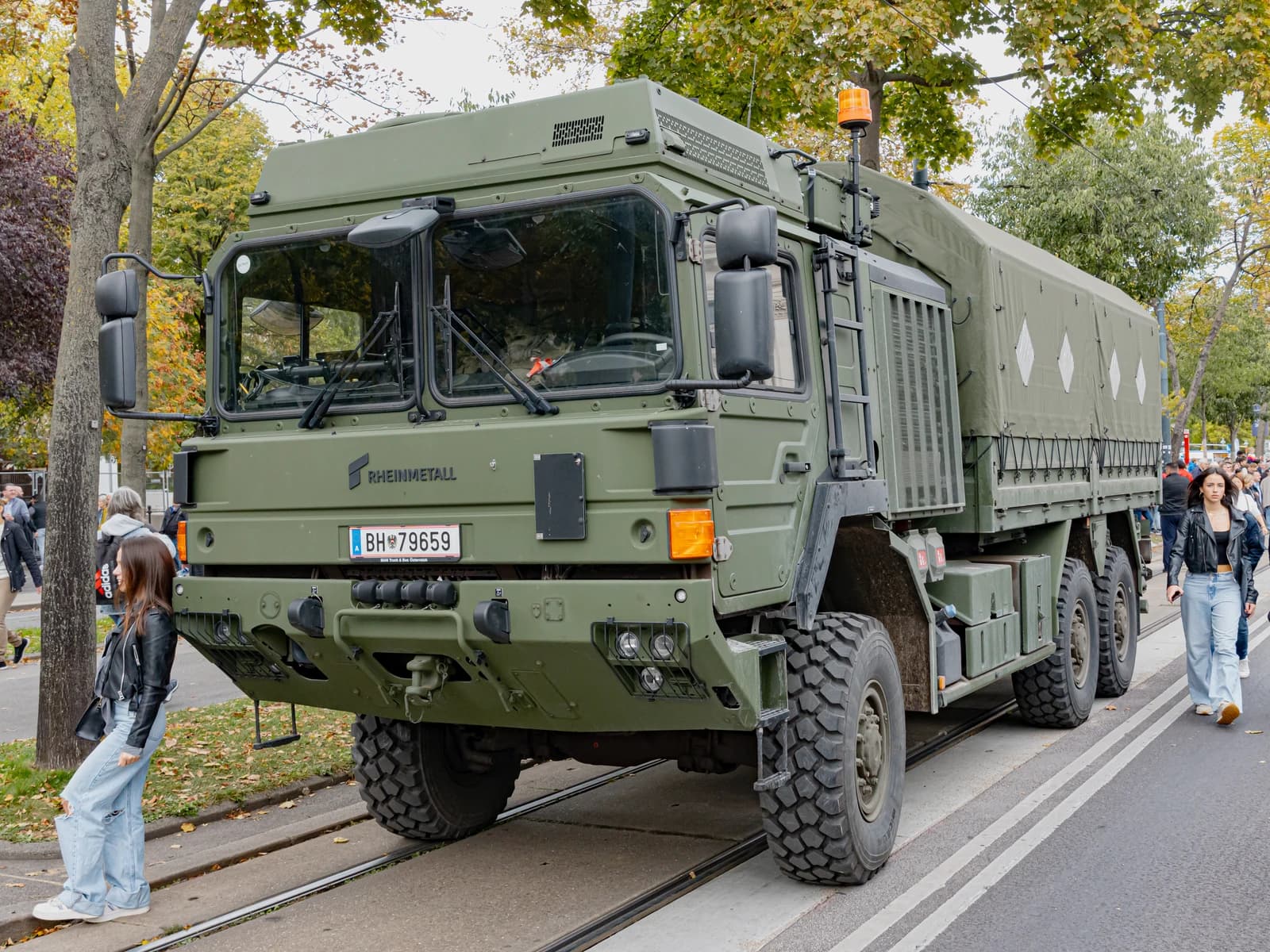
But the bigger opportunity may be where the money is not going yet. According to the War on the Rocks analysis cited in the source material, about 61% of Germany’s defense outlays from 2020 through January 2026 went to traditional systems, while only 12% was allocated to forward-looking areas such as autonomous systems, drones, advanced air and missile defense and cyber. That gap is the mispricing. The market understands Rheinmetall, Airbus and other established contractors can win orders. It is less prepared for the second-order winners in sensors, electronics, power systems, robotics, dual-use software and industrial automation.
That is why this story matters beyond defense. Germany is trying to solve two problems with one fiscal package: security and stagnation. If Berlin uses military procurement to modernize factories, scale new technologies and accelerate civilian spillovers, the beneficiaries could extend well beyond tanks and missiles into the machinery, electrification and component suppliers that feed the broader industrial ecosystem. If it fails, the result is simply more spending on legacy platforms with limited productivity payoff.
The constraint is execution. Germany’s procurement system still favors large incumbents that can navigate approvals, while smaller technology firms face long delays between trials and serial orders. Any contract above €25 million needs separate parliamentary sign-off, a process that can slow adoption just when speed matters most. That bureaucracy is the key risk for investors: the cash may be there, but the conversion into growth and technological leadership is far from assured.
Still, the direction is clear enough to matter. Europe is moving toward a more durable defense cycle, and Germany is trying to pair that with industrial policy in a way that could redirect capital flows across the continent. In our view, the most attractive positioning is not in waiting for perfect execution; it is in owning the picks-and-shovels of rearmament and reindustrialization before the procurement wave fully arrives. Investors should watch for budget approvals, industrial partnerships and any acceleration in autonomous, cyber and missile-defense spending, because that is where the next leg of upside is likely to emerge.
| Entity | Gains | Losses |
|---|---|---|
| Rheinmetall, Airbus | ▲larger defense orders | ▼slower legacy procurement |
| German industrial suppliers | ▲government capex demand | ▼weak civilian end-market demand |
| Small tech firms | ▲potential future pilots | ▼bureaucratic delays |
| Export competitors, especially China | ▲none | ▼German industrial revival |