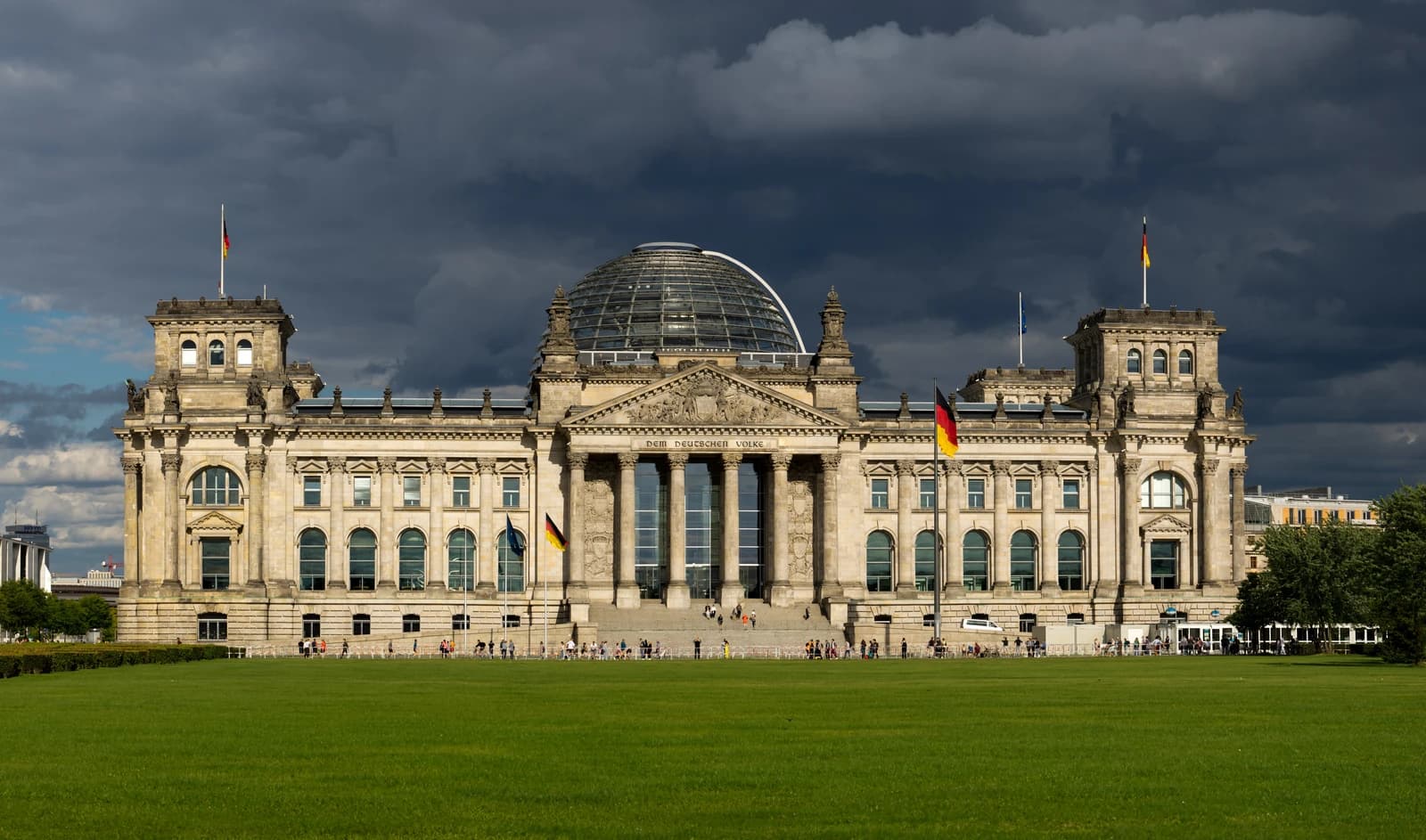
Germany’s political weakness is starting to matter beyond Berlin, with EU partners quietly gaming out what happens if Friedrich Merz is forced out just as Brussels tries to close a fight over a 2 trillion euro seven-year budget, the bloc’s car rules and industrial policy.
Germany Politics Weighs on EU Budget Talks

For investors, the risk is not an immediate collapse in Germany or the eurozone’s financial plumbing. It is a slower erosion of Europe’s ability to make decisions at a moment when the continent already faces weaker growth, manufacturing stress and rising political fragmentation.
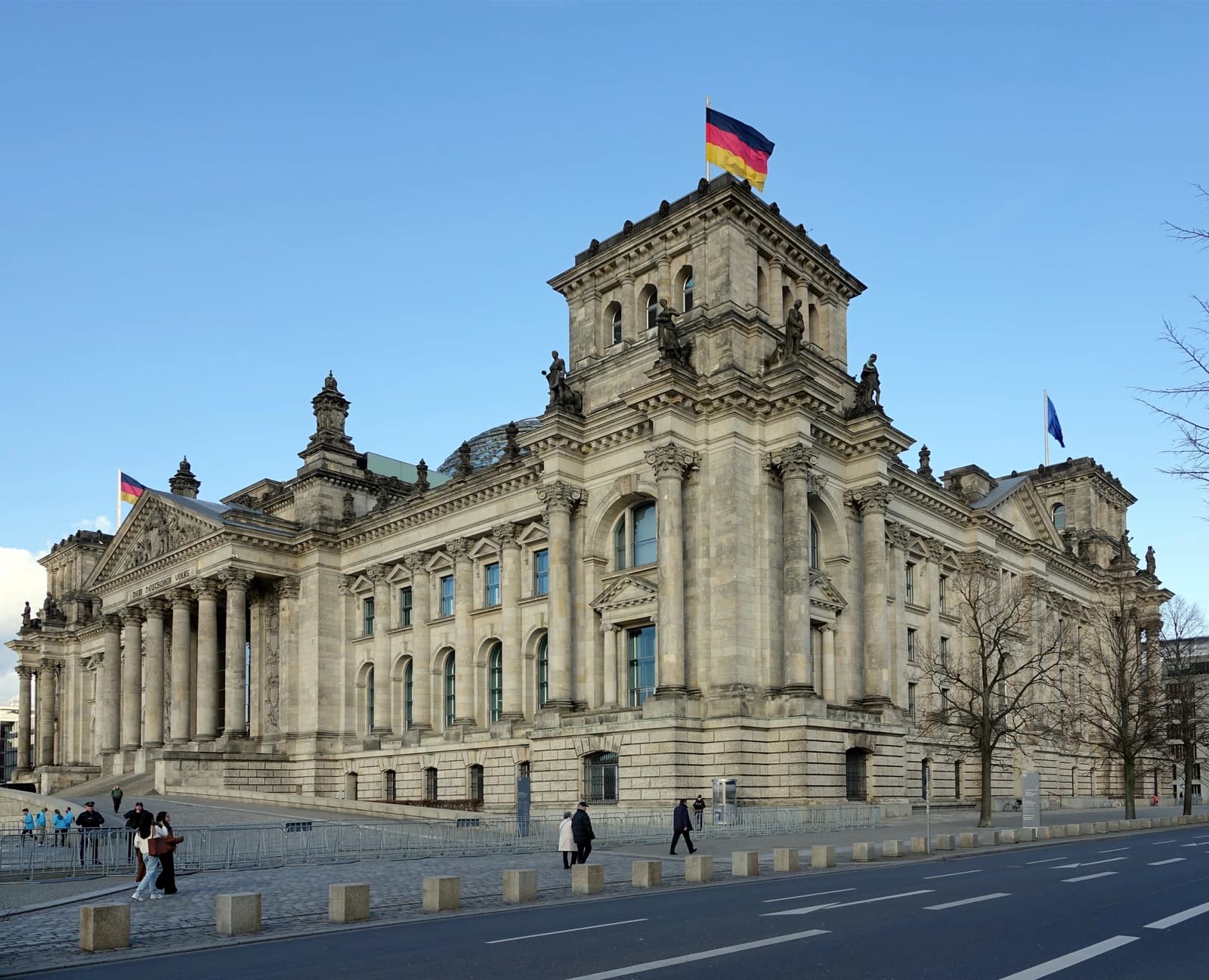
Diplomats and officials told POLITICO that two EU governments have already run internal sessions on the impact of a Merz exit. The concern is that Germany, the EU’s biggest economy and the chief advocate for spending restraint in the next multiannual budget, could become more inward-looking or harder to deal with if coalition tensions worsen.
That matters because Berlin remains central to the bloc’s biggest files. Merz is pressing for “hundreds of billions of euros” in cuts to the EU budget, while net contributors such as Sweden, Finland, Denmark, Austria and the Netherlands are pushing for a smaller envelope and beneficiaries including Poland and Romania want to protect their allocations.
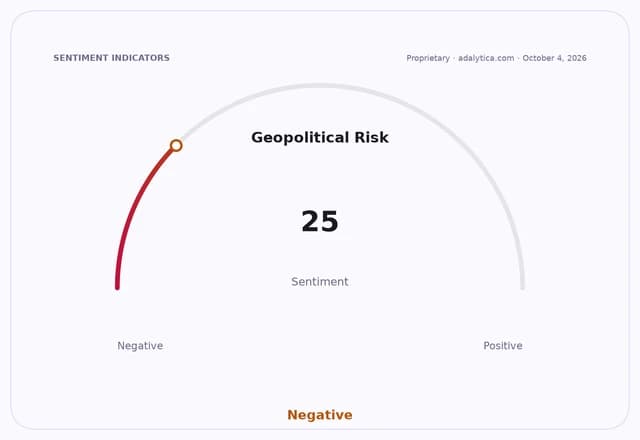
A breakdown in German authority would also complicate Brussels’ efforts to support heavy industry at a time when Germany has lost about 124,100 industrial jobs in a year, according to EY. The issue is politically sensitive across the EU because deindustrialization is feeding support for the far right and far left, especially in Germany and France.
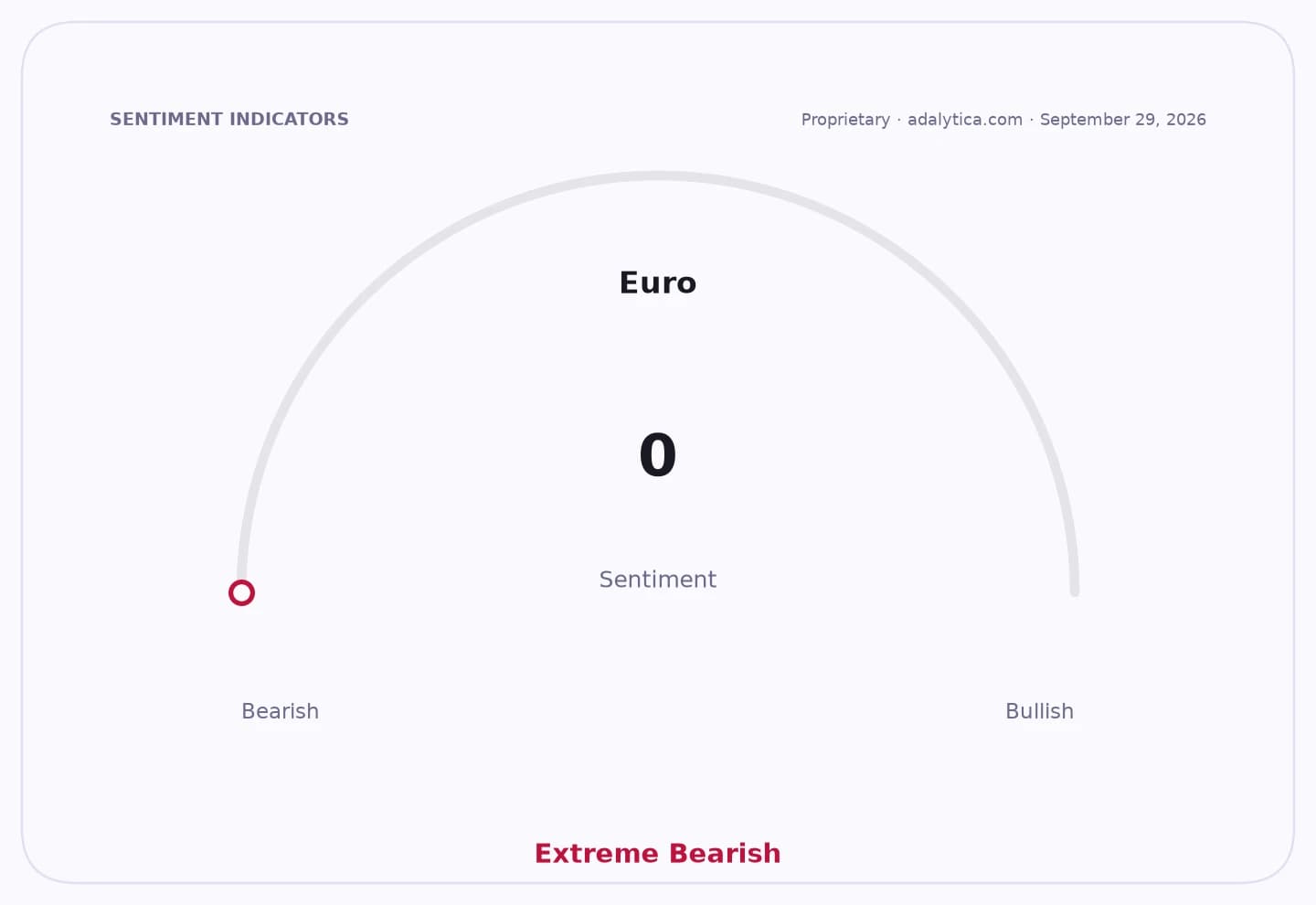
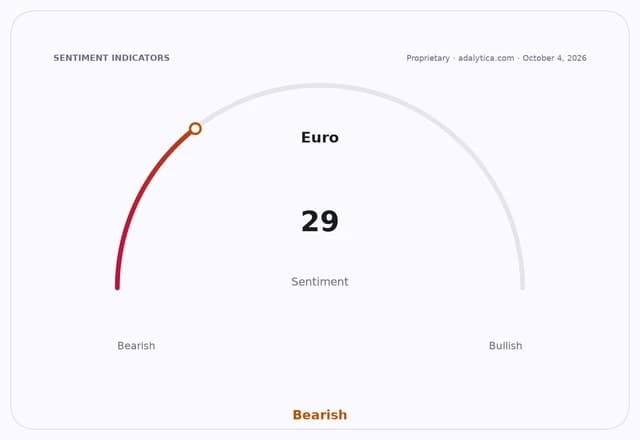
The immediate market readthrough is one of policy uncertainty rather than a direct asset shock. The euro has slid to about 1.13 against the dollar, below its 50-day and 200-day moving averages, while Adalytica’s Euro Trade Signals show sentiment in “Fear” even as awareness is at “Extreme Greed,” a sign of elevated attention without conviction. Europe’s STOXX 50 and Germany’s DAX have also retreated from recent highs, with both trading below their 50-day averages and their recent momentum indicators pointing to a softer tape.
Brussels does not appear to be preparing for a genuine worst-case scenario in the near term. Diplomats say fresh German elections are unlikely as long as the far-right AfD leads polls, and any Merz resignation would probably be followed by another CDU or SPD figure taking over quickly. But even a short spell of instability would weaken Berlin’s leverage at a moment when France is also heading toward a potentially volatile presidential race.
The bigger risk for investors is that Germany’s domestic turbulence turns Europe’s policy machine slower and more brittle, delaying compromises on budget talks, industrial subsidies and trade responses to China and the U.S. The next test is whether Merz can keep his coalition together long enough to shape the budget talks due by year-end, or whether his weakness in Berlin starts to paralyze Germany’s role in Brussels.
| Entity | Gains | Losses |
|---|---|---|
| EU budget hawks | ▲Smaller spending envelope | ▼Higher compromise risk |
| Net recipient states | ▲Protection of allocations | ▼Risk of deeper cuts |
| German exporters/industry | ▲Policy support if Berlin acts | ▼More uncertainty and delay |
| Euro longs | ▲No immediate breakup risk | ▼Weaker policy confidence |