Germany is trying to rebuild its economic model around more work, lower taxes and heavier public spending, a pivot that matters because Europe’s largest economy is no longer just searching for growth — it is searching for competitiveness.
Germany Rebuilds Growth Plan With Spending And Tax Changes
After years of industrial erosion from China’s rise and weak domestic demand, Berlin is edging toward a new playbook: a labor-market reset, tax reform and a bigger fiscal role for the state. That matters for investors because Germany’s choices will steer everything from industrial margins and wage pressure to the next leg of European capital spending.
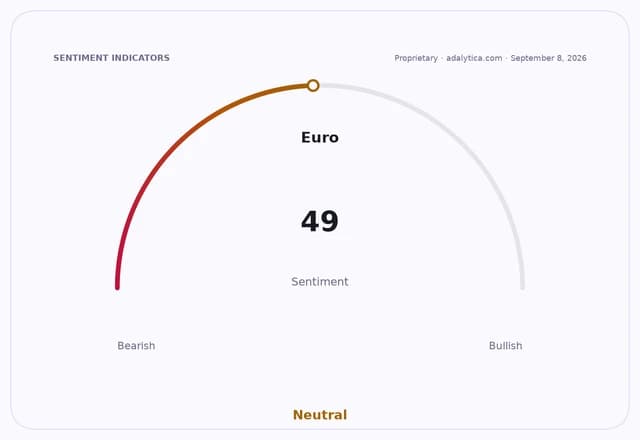
Sentiment IndicatorsⓘProprietary · adalytica.com · September 8, 2026
This is a snapshot — live sentiment, awareness and momentum for 130+ markets update continuously in the dashboard.Open AlphaPulse
The first signs are already visible. Germany’s economy was revised up to 0.3% growth in the second quarter after exports rebounded 2.6%, consumer confidence rose for a fourth straight month and industrial orders increased 3.1% in June. The country is likely to post positive growth in 2026 after several years of recession, a meaningful shift even if the recovery remains fragile.
The bigger story is policy. Leading industrial names including Mercedes-Benz and Stihl are openly backing a return to a 40-hour week, even if pay effectively stays at 35 hours, underscoring how far German manufacturers believe labor costs have drifted from global reality. At the same time, policymakers are discussing tax relief for lower-income households, a higher 47% bracket for incomes above 280,000 euros, continued cuts to corporate taxes and a fresh debate over the retirement age.
Debt Rules — 30-day sentimentadalytica.com
Explore this data interactively — full history, time series and cross-market comparisons.Open AlphaPulse
That mix is not just political theater. It is the beginning of a national competitiveness tradeoff: workers are being asked to accept more flexibility, companies want cheaper labor, and the state is using fiscal room to cushion the transition. Germany still has the balance-sheet capacity France lacks, and it is starting to deploy it through a major defense and infrastructure stimulus that is slowly filtering through the economy.
For investors, the opportunity is in the second-order winners. Defense contractors, industrial suppliers, construction, engineering and infrastructure-linked names should benefit from the spending impulse, while exporters and manufacturers exposed to labor intensity could gain if wage discipline improves. The DAX and German equities, tracked through the EWG ETF, are already holding above their 50-day and 200-day moving averages, suggesting the market is beginning to price a better growth mix.
The market underestimates how important this reset could be. If Germany succeeds, it will not merely escape stagnation; it could become Europe’s main engine for fiscal-led industrial reacceleration. If it fails, the country risks another cycle of half-measures, higher taxes and permanent loss of manufacturing share. For now, the investable thesis is clear: position for Germany’s reindustrialization before the reform narrative becomes consensus.
| Entity | Gains | Losses |
|---|---|---|
| German defense and infrastructure firms | ▲Higher public spending | ▼Fiscal austerity |
| Industrial exporters | ▲Better competitiveness | ▼High labor costs |
| Lower-income households | ▲Tax relief | ▼Higher tax burden on top earners |
| High earners and rigid employers | ▲— | ▼New tax bracket, wage pressure |