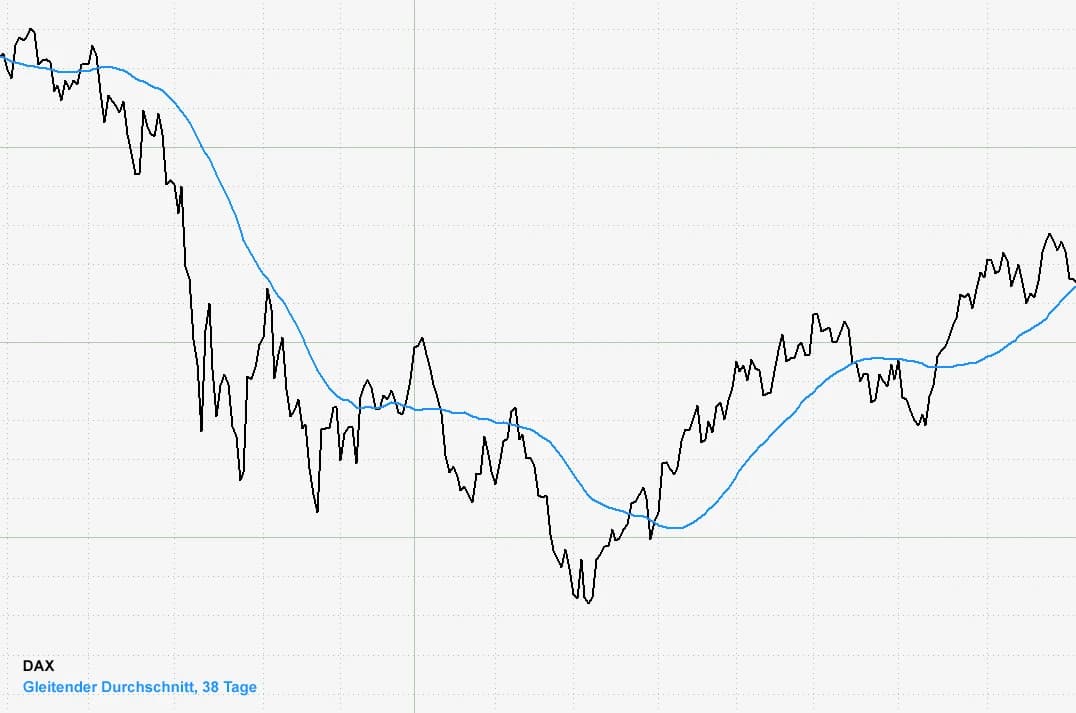
Inflation in Germany is accelerating again, raising the odds that borrowing costs have already topped out and putting pressure on bonds as price gains spread beyond the country’s biggest states.
Germany inflation rises, bond yields grind higher
The latest rise in inflation readings from Germany’s four largest states in August pointed to a broader pickup nationwide, reinforcing expectations that the euro zone’s biggest economy is moving away from the disinflation trend that had helped lift government debt and support rate-sensitive assets. For investors, the shift matters because any stickier price pressure would keep the European Central Bank cautious on cuts and could limit gains in long-dated bonds.
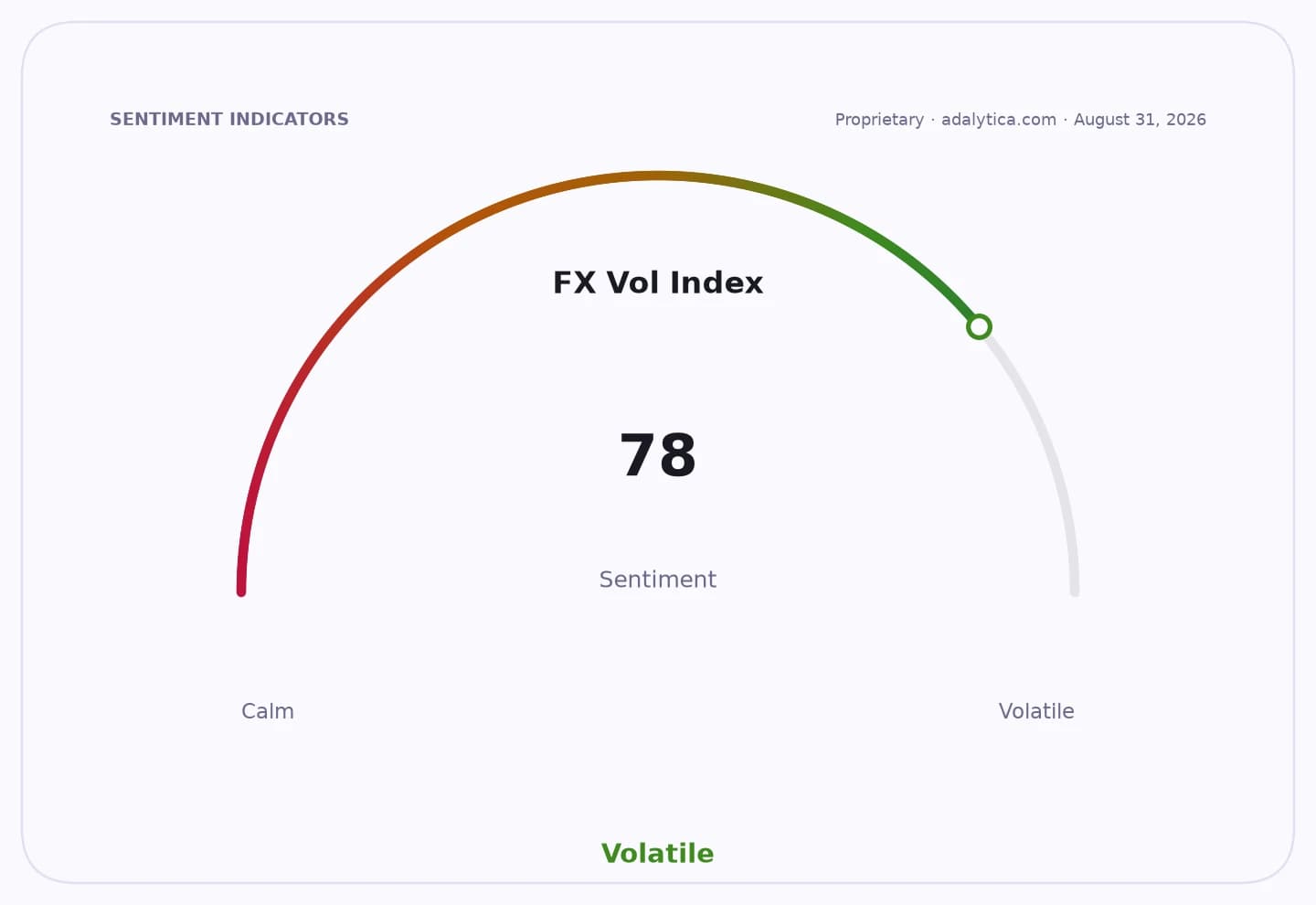
Sentiment IndicatorsⓘProprietary · adalytica.com · August 31, 2026
This is a snapshot — live sentiment, awareness and momentum for 130+ markets update continuously in the dashboard.Open AlphaPulse
That tension is already visible in fixed income markets. German yields have been grinding higher, with the 10-year benchmark trading near levels that suggest the bond rally may be running out of steam, while the US 10-year Treasury yield sits around 4.63%, underlining how global rate markets are still wrestling with inflation risk. The US curve also remains positively sloped, with the 10-year minus 2-year spread at 0.39 percentage point, a sign that investors have not fully priced a sharp downturn despite tighter policy conditions.
Equity investors have started to position for firmer rates. The iShares MSCI Germany ETF, EWG, closed at $44.59 on August 28, up from $40.59 on July 23, while the iShares 20+ Year Treasury Bond ETF, TLT, slipped to $82.88, reflecting renewed selling in duration-sensitive assets. EWG is now trading above both its 50-day and 200-day moving averages, suggesting momentum has improved even as inflation risks build.
Adalytica’s US Dollar Trade Signals show sentiment on the dollar at neutral but awareness elevated, while FX volatility signals remain elevated, pointing to a market bracing for more swings as inflation expectations and policy bets shift. That combination matters for European assets because a stickier German inflation profile could keep the euro supported versus rate-sensitive currencies even as bond markets reassess the path of ECB easing.
The next catalyst is the full August German CPI release and any follow-through in euro zone price data, which will help determine whether the recent rise in regional inflation is a temporary flare-up or the start of a broader turn higher.
| Entity | Gains | Losses |
|---|---|---|
| German pricing power | ▲Higher nominal revenues | ▼Households’ real income |
| Bondholders | ▲Short-duration protection | ▼Long-duration government debt |
| ECB hawks | ▲Stronger case for caution | ▼Rate-cut advocates |
| German equities | ▲Better inflation pass-through | ▼Rate-sensitive stocks |