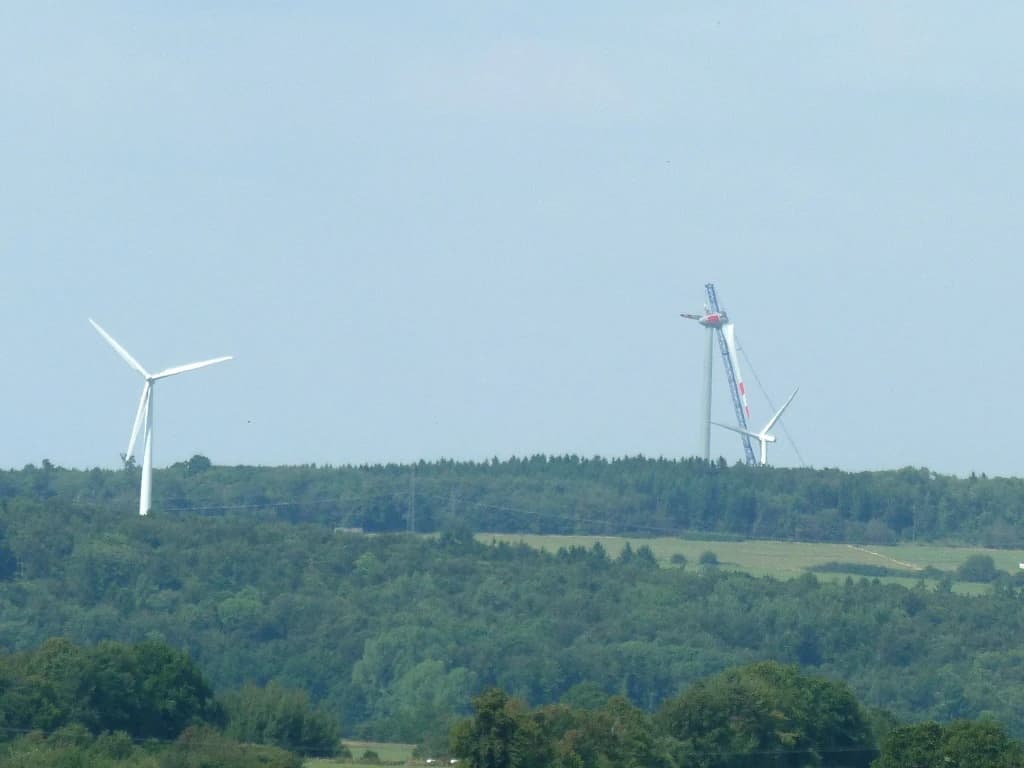
Germany has put the world’s tallest wind turbine into the sky, a 365-meter structure in Brandenburg that could change the economics of onshore wind by tapping stronger, more consistent winds at altitude.
Germany Schipkau wind turbine reaches 365 meters
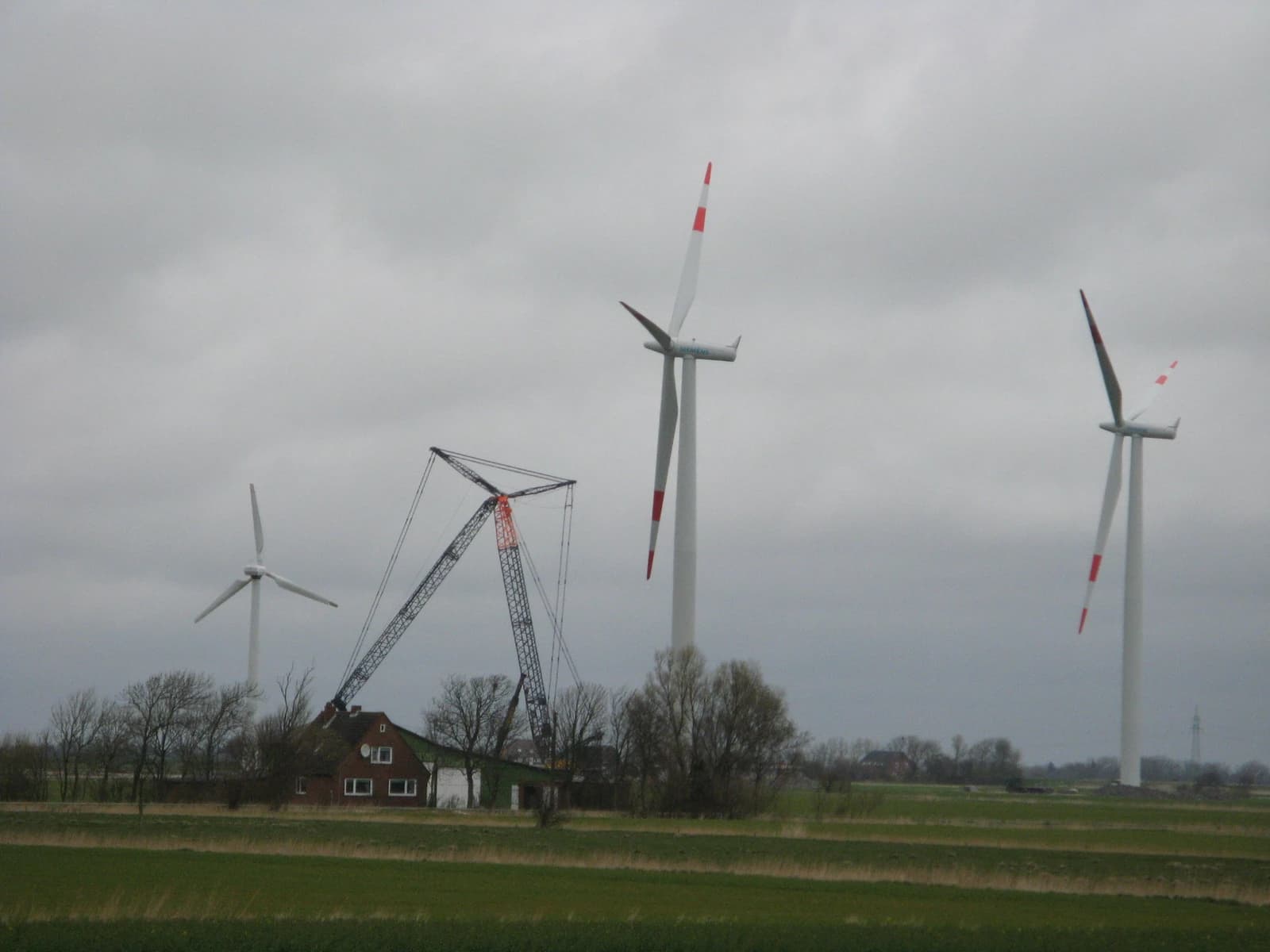
The project matters because the central constraint on wind power is not just turbine design, but the quality of the wind resource itself. By lifting the rotor far above ground-level turbulence, the Schipkau installation is intended to generate more electricity than conventional machines at the same site, improving output per tower and potentially reducing the land and grid footprint needed for new capacity.
For Germany, the turbine is a visible sign that the energy transition is moving beyond incremental improvements and into engineering that tries to solve wind’s most persistent problem: variability. The tower rises to within three meters of Berlin’s TV Tower, underscoring the scale of the experiment and the ambition behind it. According to developer Gicon, the project has been in development for a decade and is expected to begin operating in November.
The economic case is straightforward. Higher-altitude winds are generally stronger and steadier, which can lift capacity factors and improve project returns if construction and maintenance costs do not rise too sharply. That matters in a power market still balancing decarbonization goals against the need for reliable, affordable generation. If the turbine performs as designed, it could offer utilities and developers a template for extracting more power from less favorable onshore sites, especially in land-constrained markets.
Investor interest is likely to center on whether this is a one-off engineering milestone or the start of a broader commercial model. A successful start-up would be a positive read-through for turbine manufacturers, tower and component suppliers, grid operators and renewable developers looking for higher-yield assets. It could also add pressure on older turbine fleets and projects that rely on lower hub heights, where output is more exposed to turbulence and weaker wind speeds.
The bear case is just as important. Extreme tower height can bring higher capex, more complex permitting, heavier maintenance demands and uncertain operating economics. A single demonstration project does not prove the business case at scale, and investors will want evidence that the gains in generation outweigh the costs of building and servicing such a structure.
Still, the narrative is clear: Germany is testing whether wind power can be made more productive not by spreading out farms, but by going higher. If the Schipkau turbine delivers, it could help push the industry toward a new generation of high-altitude designs and strengthen the long-term economics of renewables in Europe.
| Entity | Gains | Losses |
|---|---|---|
| Gicon | ▲Technology validation | ▼Execution risk if output disappoints |
| German renewables sector | ▲Higher-yield wind model | ▼Legacy low-height turbine economics |
| Utilities and developers | ▲Better capacity factors | ▼Higher capex and maintenance burden |
| Fossil-fuel generators | ▲— | ▼More competitive renewable generation |