Ghana’s banks are under pressure to do more than clip easy returns from Treasury bills, with Asantehene Otumfuo Osei Tutu II warning that the habit is starving businesses of credit and slowing job creation.
Ghana banks urged to lend more to businesses

His appeal goes to the core of Ghana’s growth problem: banks can preserve capital and earn attractive risk-free income by parking money in government paper, but that leaves private firms — especially entrepreneurs and smaller companies — without the financing needed to expand output, hire workers and deepen the domestic economy. In effect, the financial system can look healthy while the real economy remains credit constrained.
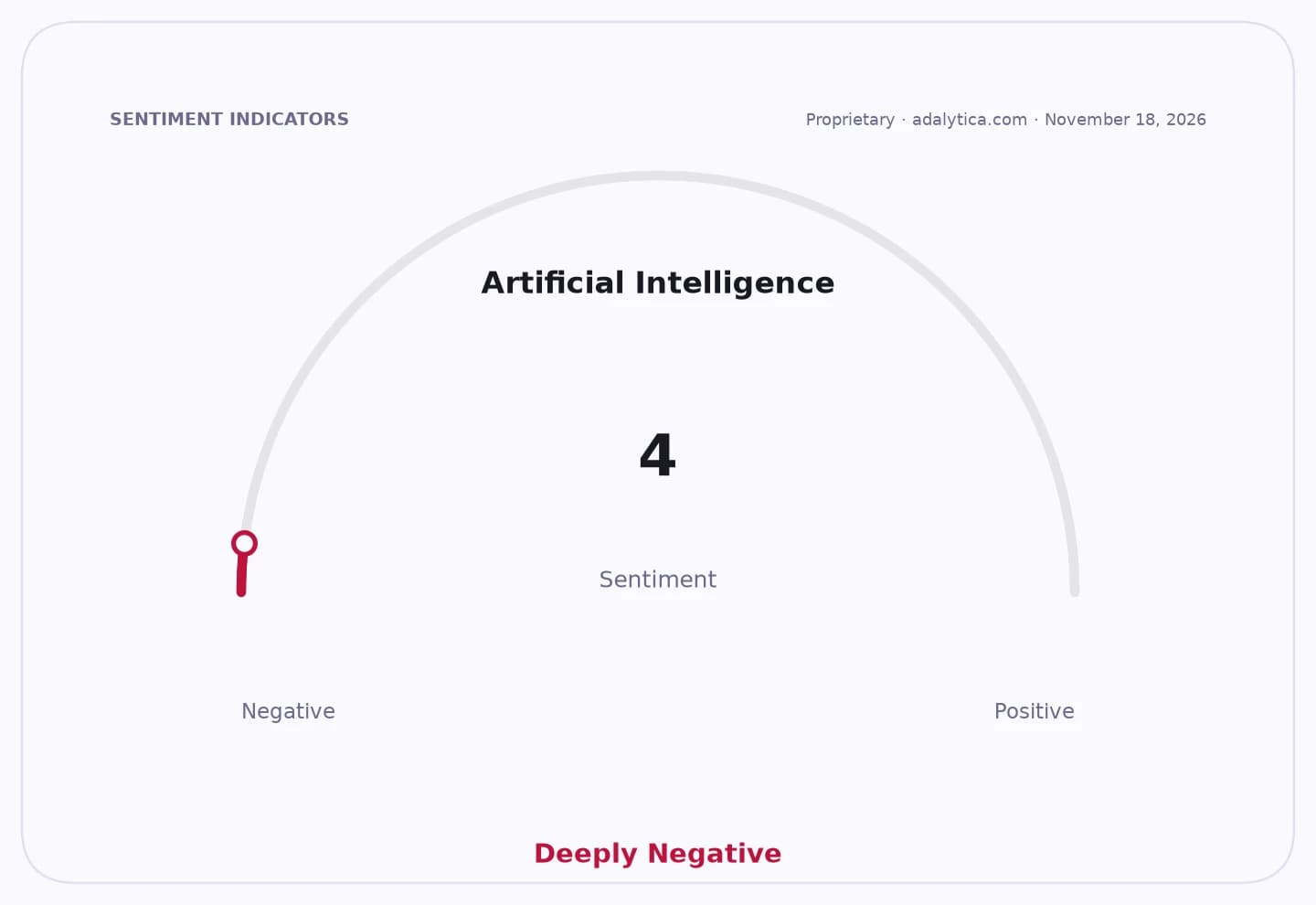
Sentiment Indicators
Liquidity Conditions
Otumfuo made the case on Monday at the commissioning of The Groove Essipong Hotel in Sekondi, where he praised the attendance of executives from Ghana Commercial Bank and Stanbic Bank as a chance to push the industry toward more productive lending. He questioned why banks were able to generate strong balance-sheet profits from Treasury bills while viable businesses struggled to obtain credit.
“How do you continue to tell the bankers who came to me that you are not doing banking at all?” he said. “Putting the money into Treasury bills to turn it around, and their balance sheets are all showing that you are making money, and that is not what I want Ghana to be.”
The warning comes at a time when Ghana and other frontier markets are trying to channel more liquidity into the private sector rather than letting banks arbitrage sovereign yields. When government securities offer a better risk-adjusted return than corporate lending, banks have little incentive to take on underwriting, monitoring and default risk. That can suppress investment, keep borrowing costs high for firms and reinforce a cycle in which the state crowds out business credit.
The economic stakes are straightforward. If banks move more of their assets into commercial lending, credit creation could support capacity expansion in retail, manufacturing, hospitality and agriculture, while also improving the transmission of easier monetary conditions into the broader economy. If they do not, policy efforts to stimulate growth will have less traction, because liquidity will continue to circulate inside the sovereign debt market rather than the productive sector.
The argument also resonates with recent developments in financial conditions elsewhere, where authorities have been trying to force lower lending rates and increase the flow of credit to small and medium-sized enterprises. Nearly 50,000 billion dong was recently injected into Vietnam’s financial system to create room for cheaper loans, while targeted programs had already disbursed 54.3 trillion dong to SMEs and key sectors by September. Those moves underscore a wider policy theme across emerging markets: growth depends not just on liquidity, but on where that liquidity goes.
For banks, the message is more complicated. Treasury bills provide stable, low-effort income and help manage balance-sheet risk. A rapid pivot into private lending would only work if credit assessment improves and if lenders can be confident about repayment. That is why Otumfuo also placed responsibility on businesses themselves, urging them to submit credible projects, demonstrate transparency and show that they can manage borrowed funds responsibly.
That balance matters for investors because stronger private-sector credit growth can lift loan books, fee income and long-term earnings in the banking system, but only if asset quality holds. A meaningful shift out of government paper and into businesses could favor lenders with stronger underwriting franchises and broader corporate networks. But it would also increase exposure to credit losses if lending standards weaken or if borrowers lack the governance and cash flow to service debt.
Market-wise, the warning highlights the trade-off banks face between safe sovereign returns and riskier but potentially more productive lending. In an environment where sovereign yields remain attractive, the sector may keep preferring Treasury bills unless regulators, policymakers and borrowers all help change the economics of the choice. Otumfuo’s intervention is therefore not just a call for better banking etiquette; it is a reminder that private investment will remain constrained until lenders are pushed, and persuaded, to fund the real economy.
| Entity | Gains | Losses |
|---|---|---|
| Private businesses | ▲More credit access | ▼Less crowded out by T-bills |
| Ghana banks | ▲Loan growth opportunity | ▼Easy sovereign income |
| Government/Treasury | ▲Lower funding pressure if banks lend more | ▼Reliance on bank demand for bills |
| Entrepreneurs and SMEs | ▲Better expansion financing | ▼Higher scrutiny if lending standards tighten |