GlobalFoundries has landed a $2 billion agreement with TSMC that could become a meaningful new profit pool in the AI buildout: advanced packaging components made in the U.S., at a time when chipmakers are desperate to secure capacity outside Asia.
GlobalFoundries wins $2B TSMC packaging deal
The five-year deal makes GlobalFoundries the first U.S. base for production of silicon interposers, the thin wafers that help stack chips in TSMC’s CoWoS advanced packaging system. That matters because advanced packaging, not just wafer fabrication, is increasingly the bottleneck for high-end AI chips. As demand for accelerators, memory bandwidth and power efficiency keeps climbing, the market underestimates how much value is shifting to the “pick-and-shovel” layer of semiconductors — the specialized manufacturing, substrate and packaging infrastructure that sits between design and final output.
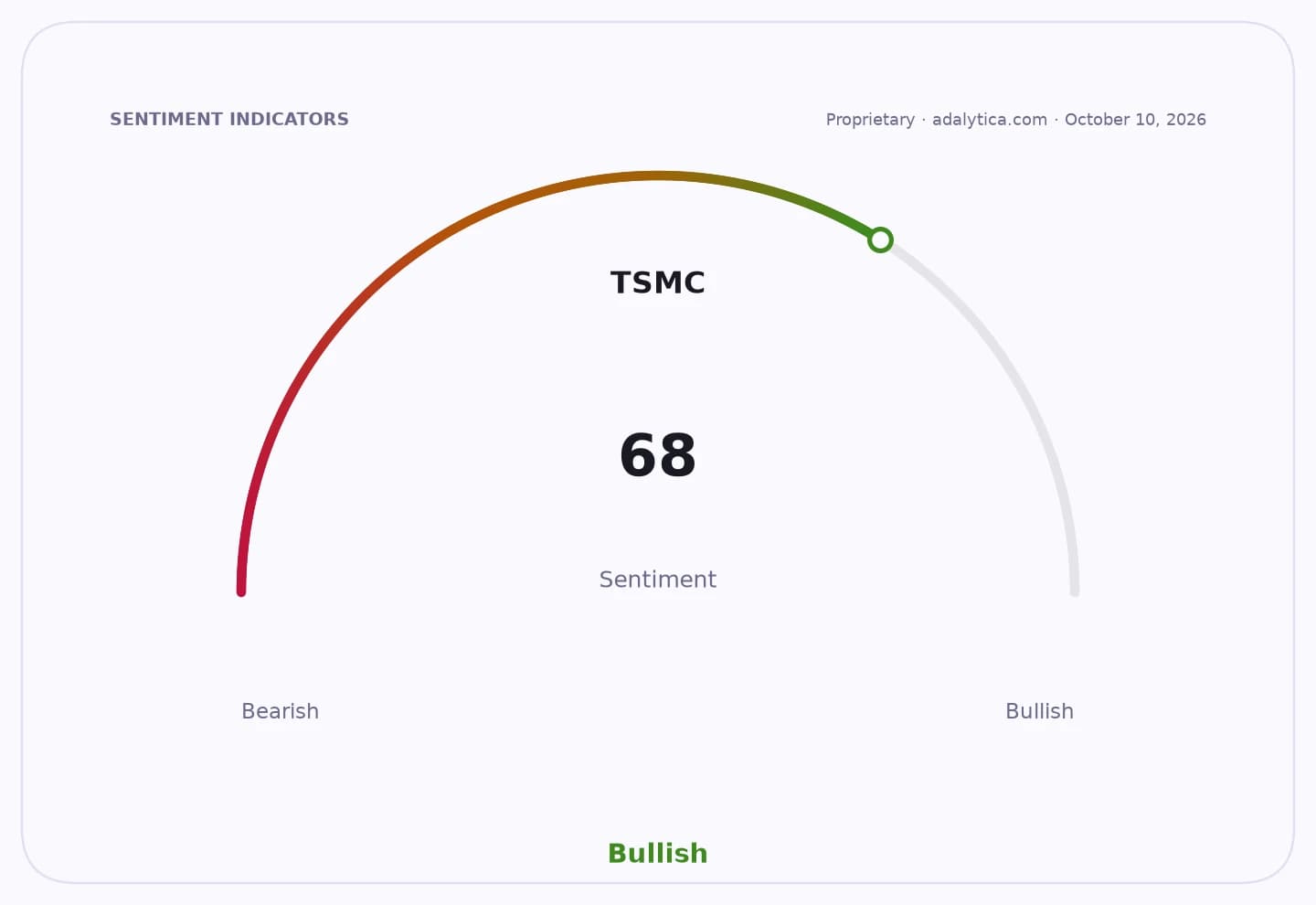
Sentiment IndicatorsⓘProprietary · adalytica.com · October 10, 2026
This is a snapshot — live sentiment, awareness and momentum for 130+ markets update continuously in the dashboard.Open AlphaPulse
For GlobalFoundries, the agreement does more than add revenue visibility. It positions the Malta, New York, fab as a strategic node in a supply chain that governments and customers want diversified, secured and closer to end markets. Volume production is set to ramp in the first half of 2028, giving GF a multi-year runway to expand capacity and deepen its role in AI infrastructure without having to win the bleeding-edge logic race dominated by TSMC and rivals. The framework also leaves room for future expansion, suggesting this may be the opening move, not the end state.
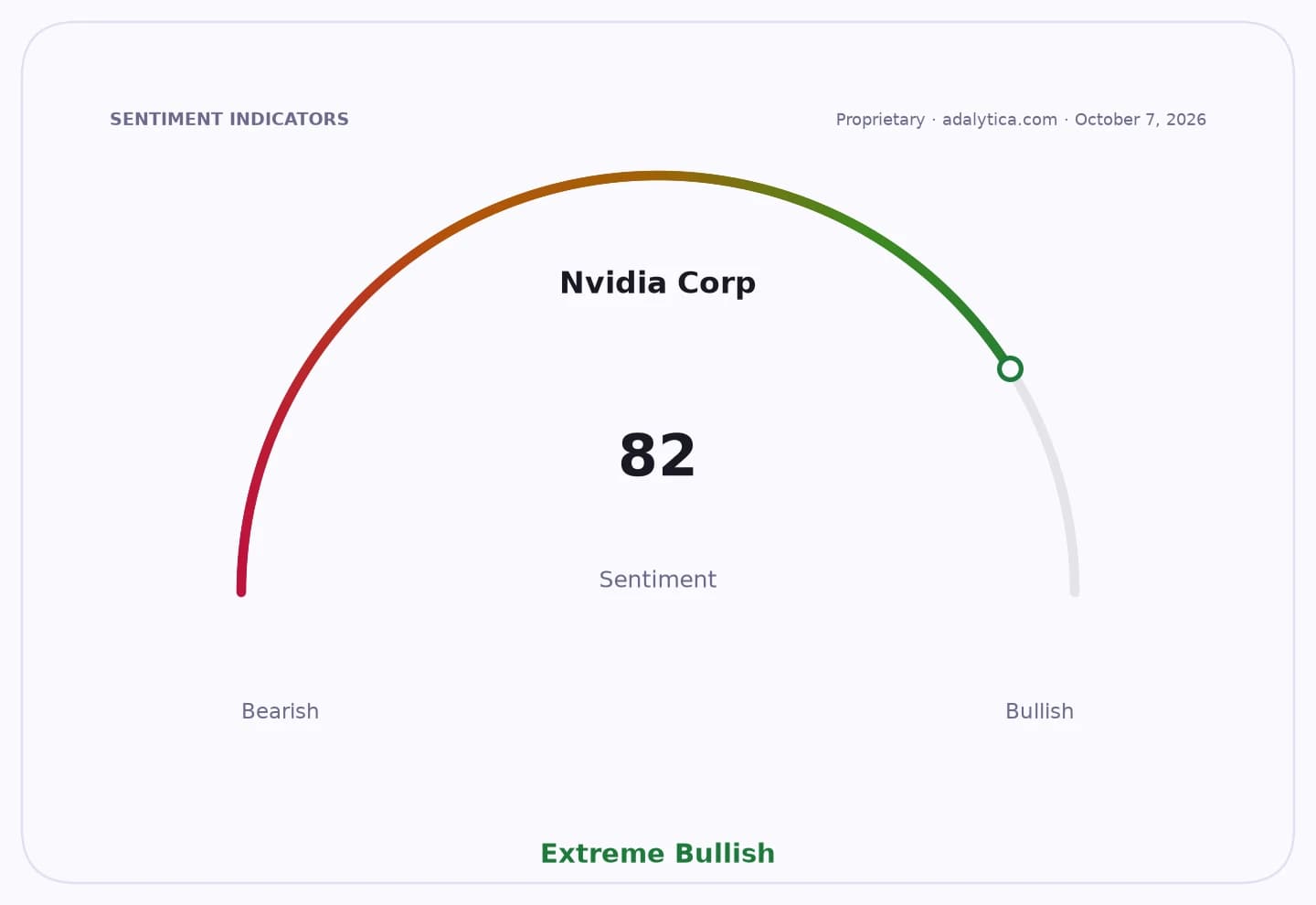
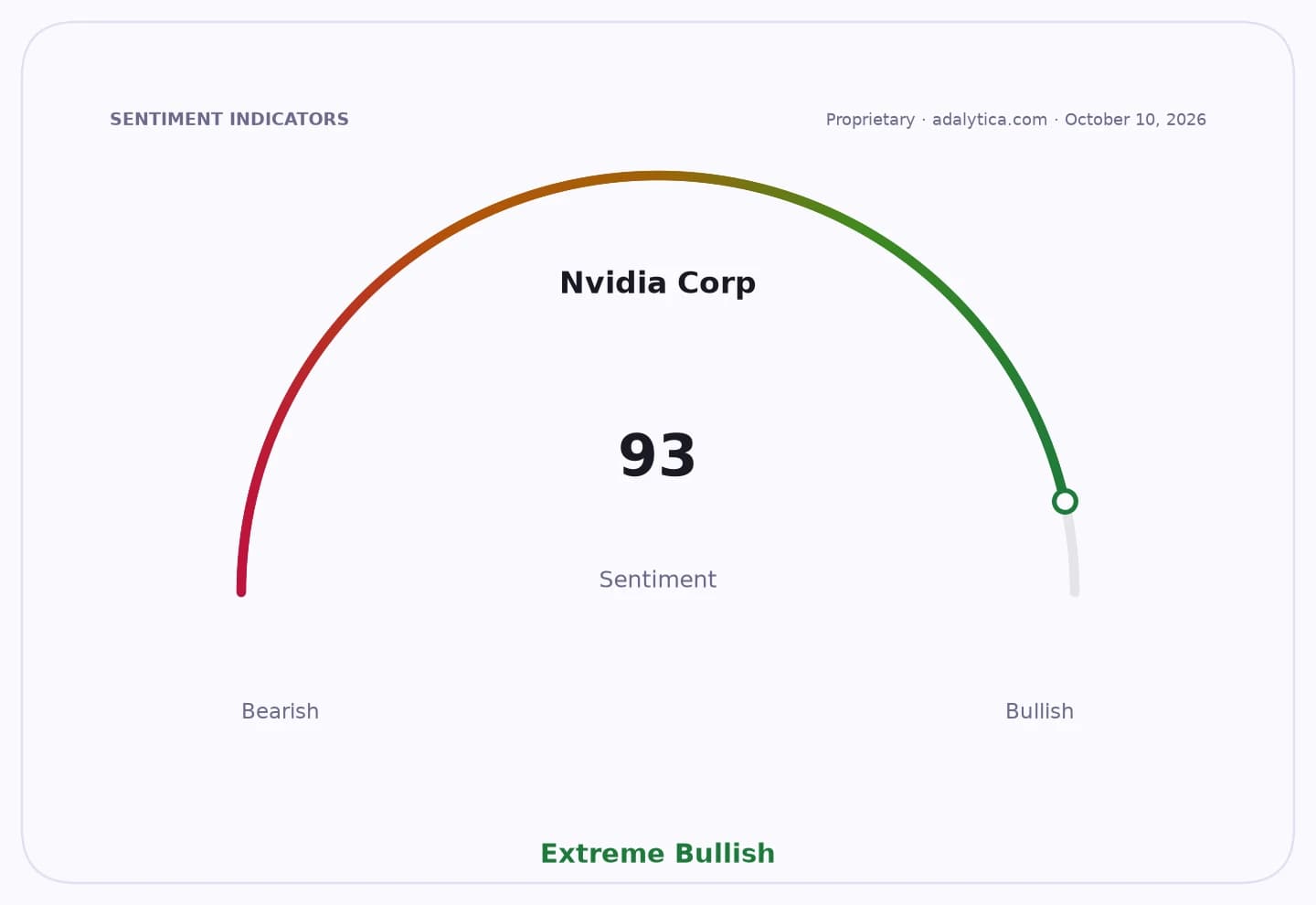
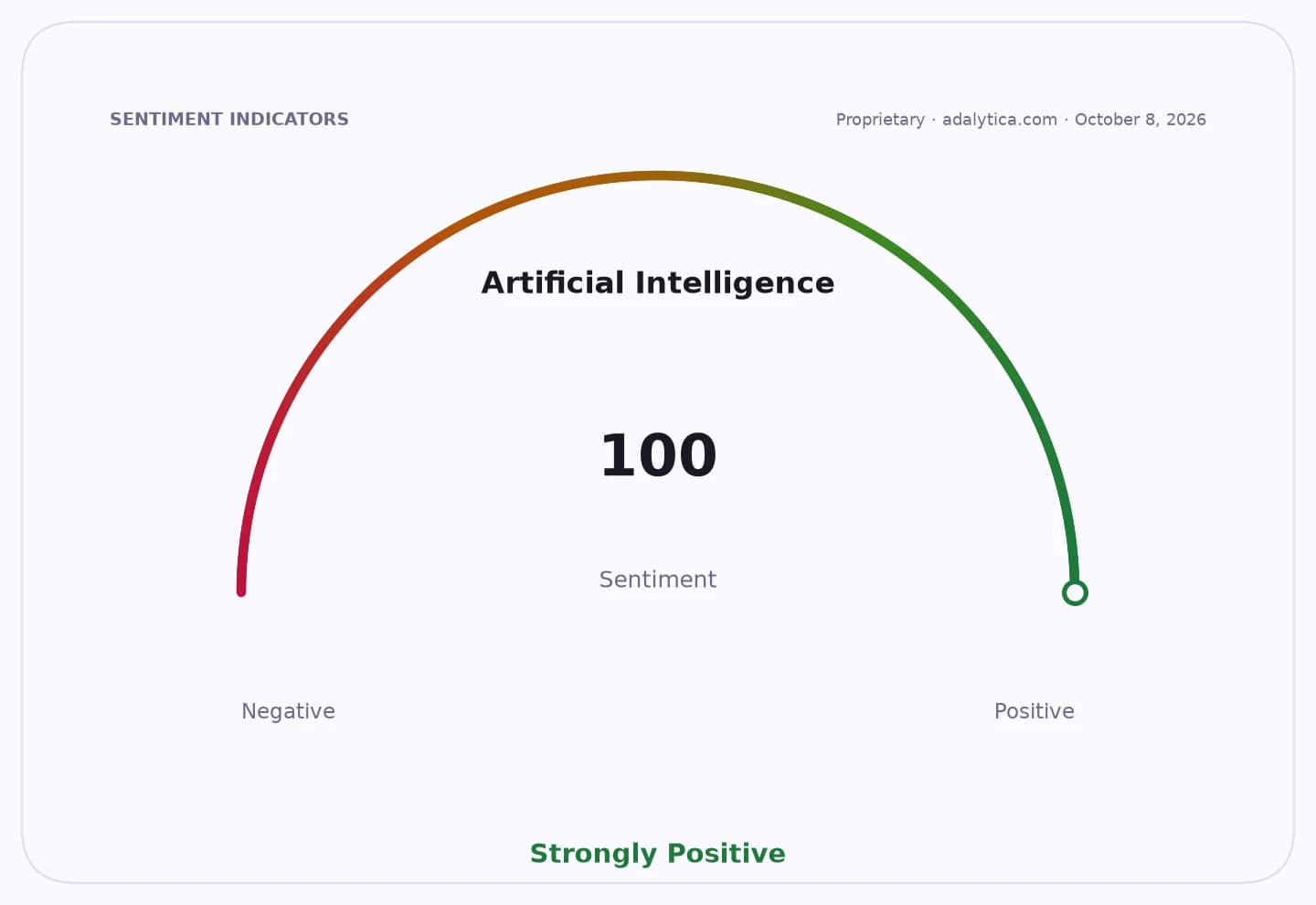
For TSMC, the deal is equally important. CoWoS packaging has become one of the most closely watched constraints in the AI economy, and any additional sourcing flexibility helps de-risk a system that is central to Nvidia’s most advanced processors and the broader generative AI stack. Reuters tracking and Adalytica sentiment gauges show that investor attention around TSMC and AI suppliers remains intense, but the real opportunity is not just in the headline names — it is in the industrial capacity that makes those chips shippable at scale.
The stock implications are straightforward. GlobalFoundries is gaining a long-duration strategic contract that can support utilization, pricing power and eventual margin expansion if the Malta buildout lands on time. TSMC is reinforcing its supply chain and protecting its leadership in advanced packaging. And the wider beneficiary set includes U.S.-based semiconductor equipment, materials and packaging suppliers tied to onshoring and AI capex.
The market has spent years bidding up the obvious AI winners. I believe the next leg is in the enabling infrastructure — the companies with scarce capacity, government-friendly footprints and exposure to the packaging choke point. This deal is a clear reminder that the AI trade is no longer only about chips; it is about who can manufacture the layers around them fast enough to keep the boom going. Investors looking for asymmetric upside should focus on the packaging and advanced manufacturing chain before the rest of the market fully prices the bottleneck.
| Entity | Gains | Losses |
|---|---|---|
| GlobalFoundries | ▲$2B contract revenue | ▼Packaging-capacity constraints ease |
| TSMC | ▲Supply-chain diversification | ▼Higher dependency on partners |
| AI chip buyers | ▲More packaging supply | ▼Longer wait times shrink |
| Asian packaging rivals | ▲U.S. capacity gains | ▼Share of advanced packaging work |