The parallel-market dollar has climbed to about 9.25 dinars, while gold prices also moved higher as traders positioned for possible shifts in U.S. interest rates and broader global market volatility.
Gold, dollar rise as U.S. rate outlook shifts
The move matters because it points to firmer demand for hard currency and safe-haven assets at a time when investors are wary of policy, growth and liquidity risks. When the parallel rate rises, it usually signals pressure in the local currency market and a wider gap between official pricing and street-level trading, a setup that can feed import costs and inflation expectations.
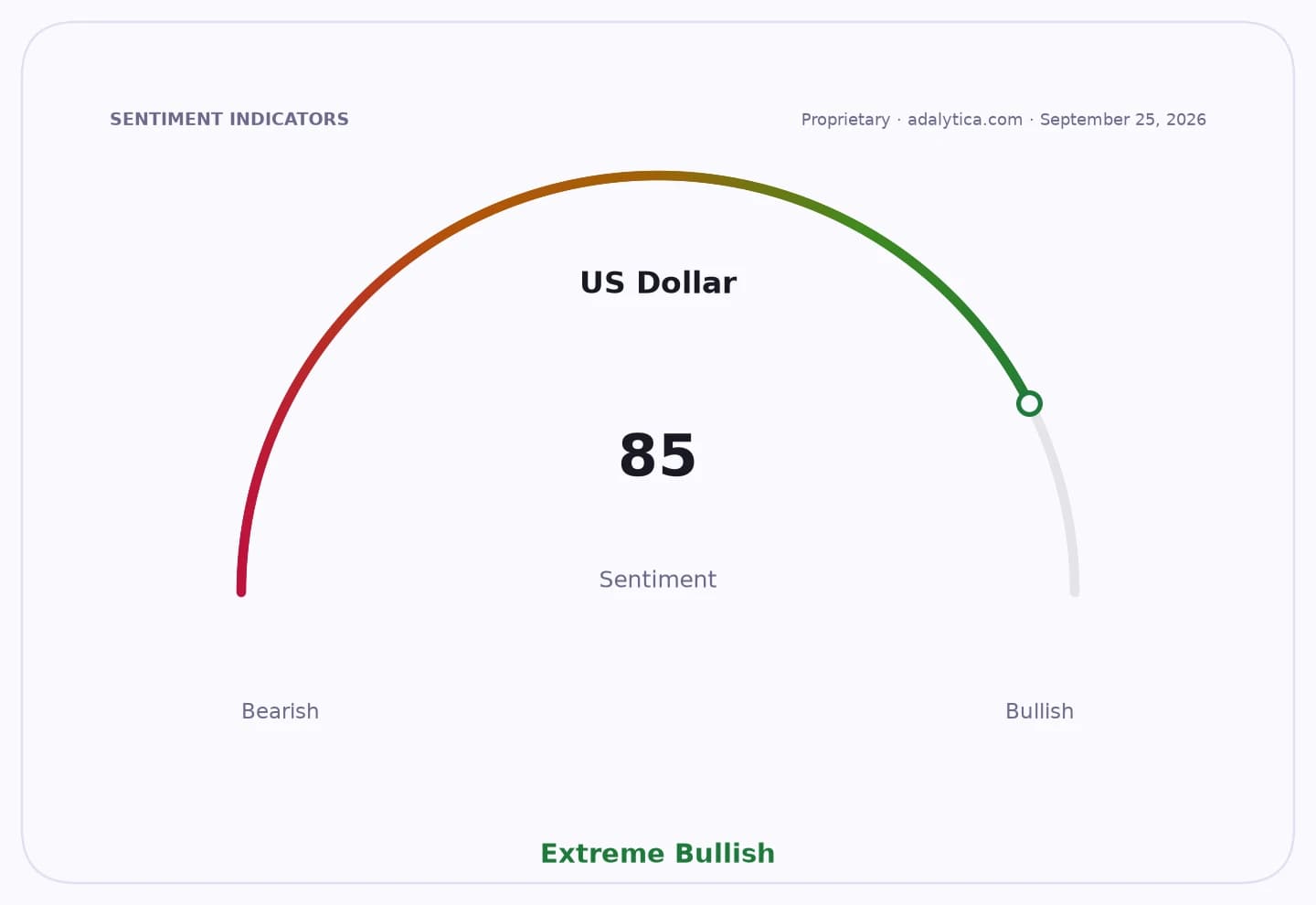
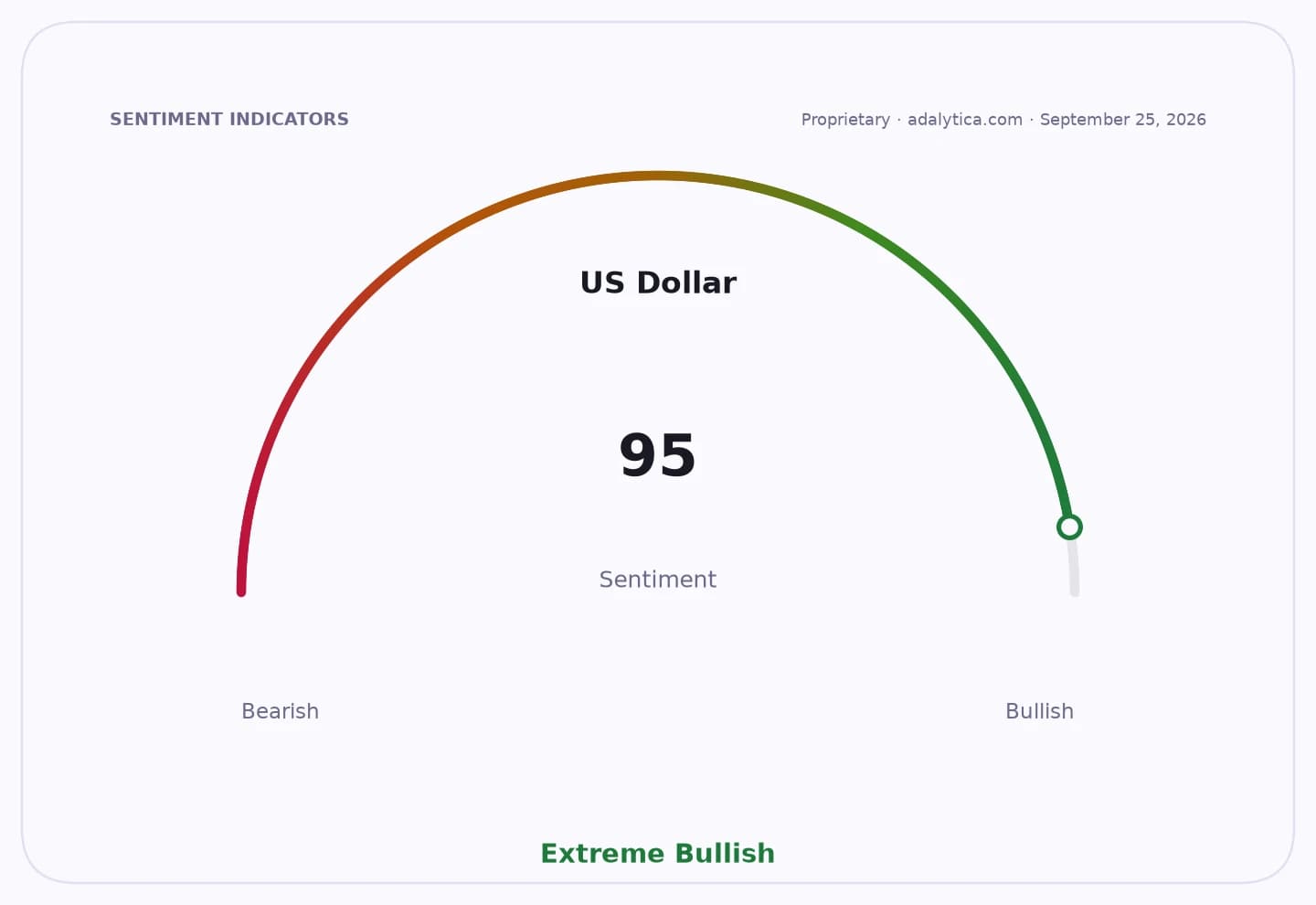
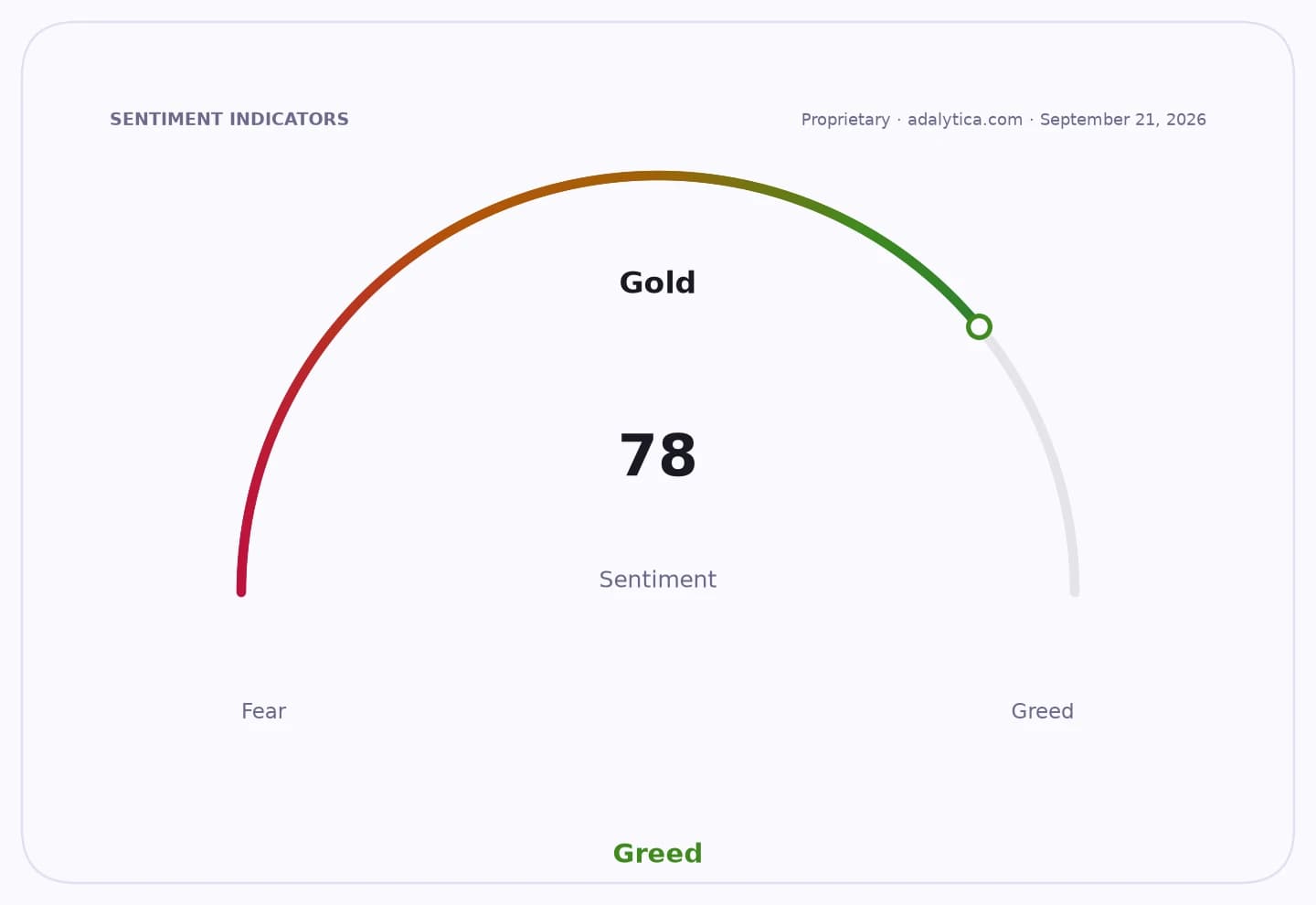
Sentiment IndicatorsⓘProprietary · adalytica.com · August 22, 2026
This is a snapshot — live sentiment, awareness and momentum for 130+ markets update continuously in the dashboard.Open AlphaPulse
Gold’s advance reinforces that defensive tone. SJC gold prices have continued to rise, with the world gold price translated to roughly 138.7 million Vietnamese dong per tael at Vietcombank, showing that local pricing remains tied to both international bullion strength and the exchange-rate backdrop.
The market tone is also consistent with the latest technical read across gold and the euro-dollar proxy. GLD, the SPDR Gold Shares ETF, closed at $423.36 on Aug. 21, well above its 50-day and 200-day moving averages, with RSI at 82.0, a level that typically indicates strong momentum but also stretched conditions. FXE, which tracks the euro, ended at 107.80, above both its 50-day and 200-day moving averages, while U.S. dollar trade signals from Adalytica.com show extreme fear in the dollar with sentiment at 4.0 and awareness at 100.0.
That combination suggests investors are still seeking protection even as some prices look extended. The dollar’s stronger parallel-market quote and gold’s rise both reflect expectations that U.S. monetary policy could remain the main near-term driver for foreign exchange and commodities.
The next catalyst is the U.S. interest-rate outlook. Any shift in Federal Reserve messaging or fresh signs of softer inflation could keep gold bid and pressure local currency markets further; a more hawkish stance would likely cool both moves.
| Entity | Gains | Losses |
|---|---|---|
| Gold buyers | ▲Safe-haven hedge | ▼Higher entry prices |
| Dollar holders | ▲Currency revaluation | ▼Importers and borrowers |
| Local currency market | ▲Trading activity | ▼Stability and pricing power |
| Import-dependent businesses | ▲— | ▼Higher input costs |