Gold prices in Egypt rose again on Thursday as the metal extended its volatile run after the U.S. Federal Reserve cut rates by 25 basis points, reinforcing bullion’s appeal even as the dollar stayed firm around 51.28 pounds in official trading.
Gold in Egypt rises after Fed rate cut

The move matters because gold in Egypt is priced off both global bullion and the exchange rate, making domestic buyers especially sensitive to shifts in U.S. policy and the pound’s stability. A higher local gold price raises the cost of jewelry and savings demand, while also supporting margins for dealers and investors who have been positioning around continued central bank easing.
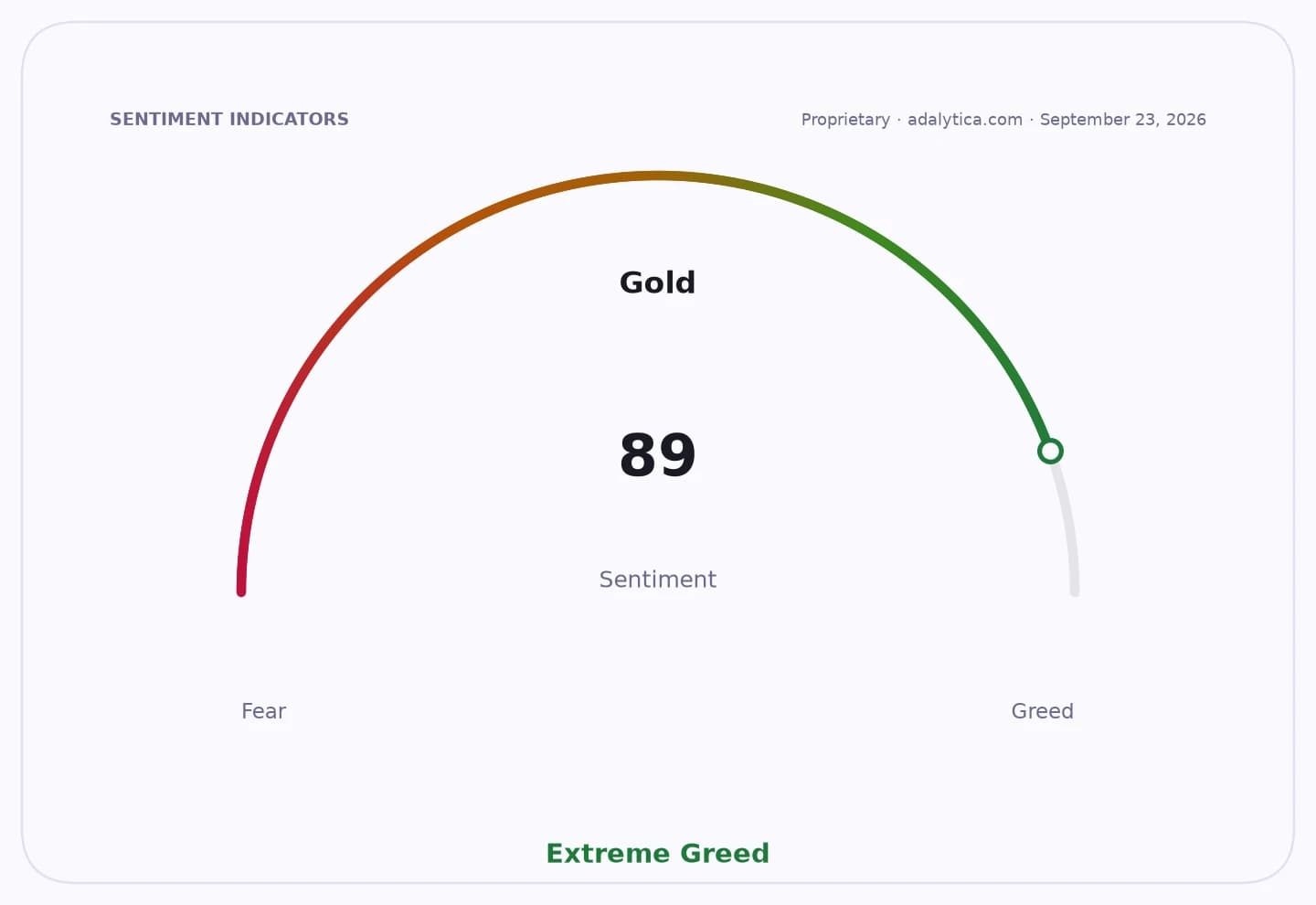
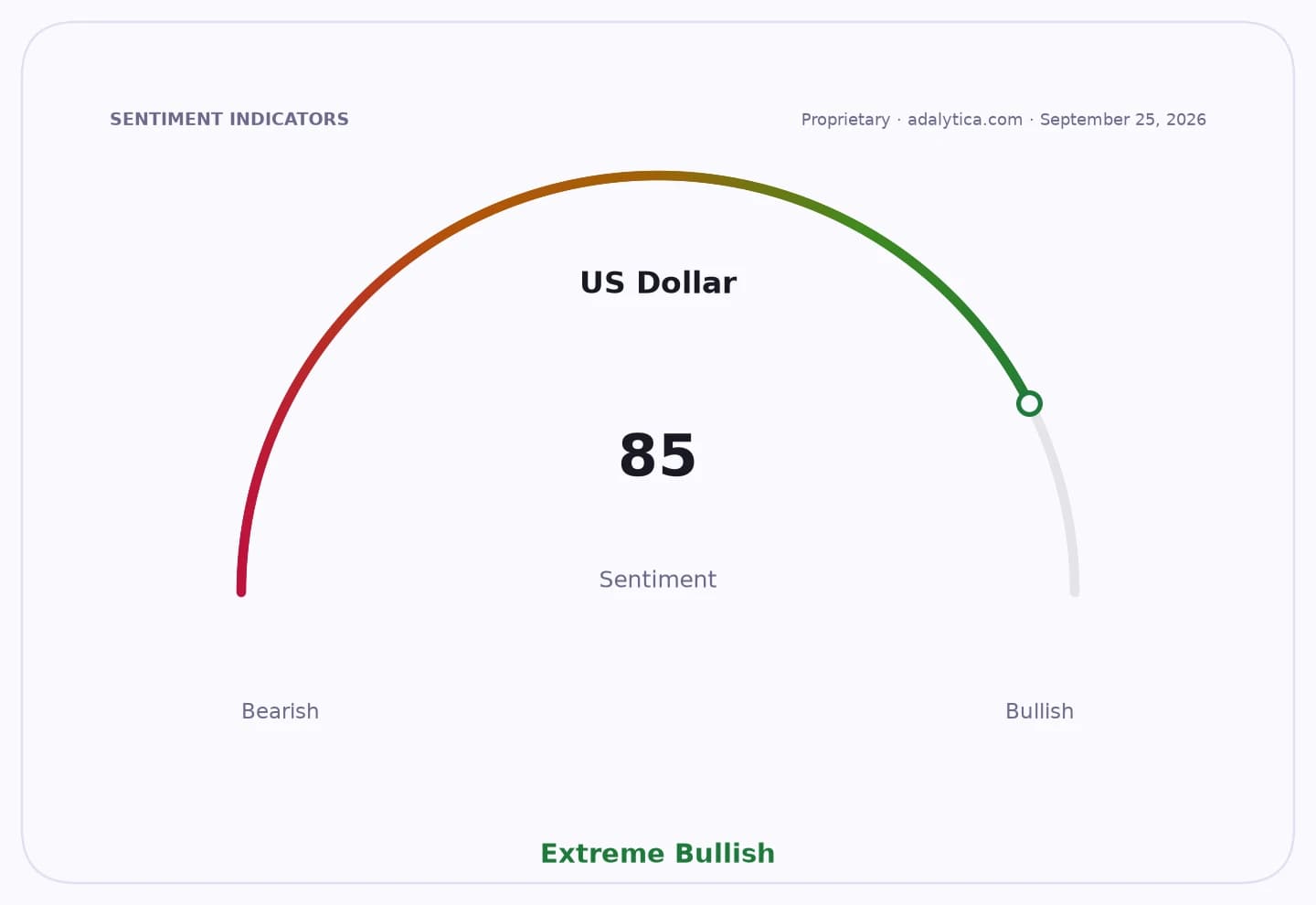
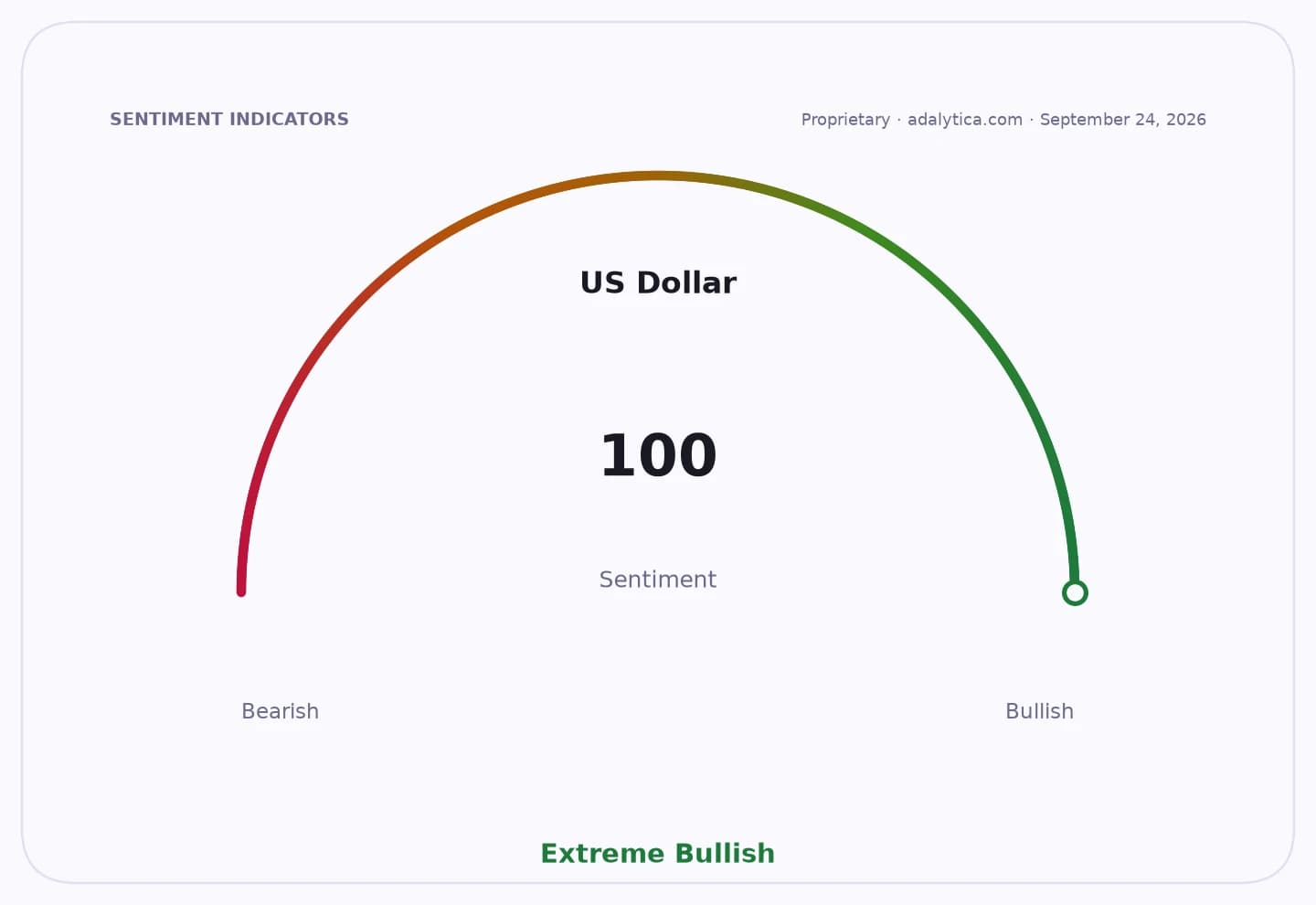
Sentiment IndicatorsⓘProprietary · adalytica.com · September 19, 2026
This is a snapshot — live sentiment, awareness and momentum for 130+ markets update continuously in the dashboard.Open AlphaPulse

The 24-karat gram was quoted at about 7,217 pounds in one market update, while another report put it at 7,200 pounds after a 25-pound rise in the same session. The 21-karat gram, the most widely traded purity in Egypt, was reported at 6,325 pounds. That spread underscores a market still adjusting to rapid moves rather than settling into a clear trend.
The latest pop in gold followed Wednesday’s Fed decision, which reduced the policy rate by a quarter point. Lower U.S. rates typically support non-yielding assets such as bullion by reducing the opportunity cost of holding them. They also tend to pressure the dollar over time, though in Egypt that transmission can be muted if the local currency remains under pressure.
That is what makes the dollar-gold relationship especially important for Egyptian investors. Official exchange data showed the dollar at 51.14 pounds to buy and 51.28 pounds to sell, leaving imported bullion costs elevated even when global prices pause. For households, that means gold remains expensive as a store of value; for traders, it means local prices can rise even on modest gains in international markets.
Globally, gold-linked funds have reflected the same tension. SPDR Gold Shares closed at $398.36 on Thursday and iShares Gold Trust at $81.69, both recovering from Wednesday’s weakness but still below their 200-day moving averages. That suggests investors have not abandoned the trade, but they are no longer chasing it at the feverish pace seen earlier this year.
Technical indicators also point to a market that is stabilizing rather than breaking out. GLD’s relative strength index was in the mid-30s, below overbought territory, while MACD readings remained negative, signaling that momentum has cooled after a sharp 2026 run. Miners tracked by the VanEck Gold Miners ETF also rebounded, but remained well beneath their earlier peaks, reflecting caution over whether the Fed’s easing cycle will be enough to sustain another leg higher.
The broad narrative is straightforward: gold is being supported by easier U.S. policy, but domestic Egyptian pricing will continue to be shaped by the pound, which can amplify or offset international moves. That leaves the market vulnerable to fast reversals, especially if the Fed turns less dovish than expected or if the dollar strengthens again.
For investors, the key watchpoints are the next Fed signals, the trajectory of the dollar against the pound, and whether Egyptian retail demand absorbs higher prices or backs away. In the near term, gold in Egypt looks set to stay elevated and choppy rather than trend in a straight line.
| Entity | Gains | Losses |
|---|---|---|
| Gold buyers in Egypt | ▲Inflation hedge value | ▼Higher entry prices |
| Gold dealers/jewelers | ▲Higher trading activity | ▼Demand sensitivity |
| USD holders | ▲Stronger local purchasing power | ▼Gold price upside |
| Gold miners/ETF holders | ▲Support from easing rates | ▼Slower momentum |